Unwild Planet · Curated by Parth
Polar Bear Cruise: West & Northwest Svalbard
Ten days out of Longyearbyen aboard the 36-guest Captain Arctic, on the maiden Arctic season of a ship that sails on wind and sun.
Curator's Statement
April is the Svalbard almost nobody sells.
The Svalbard in most brochures is July: green tussock, seabird cliffs, open fjords and a great many ships. It is a good trip. It is a completely different archipelago from the one this voyage visits.
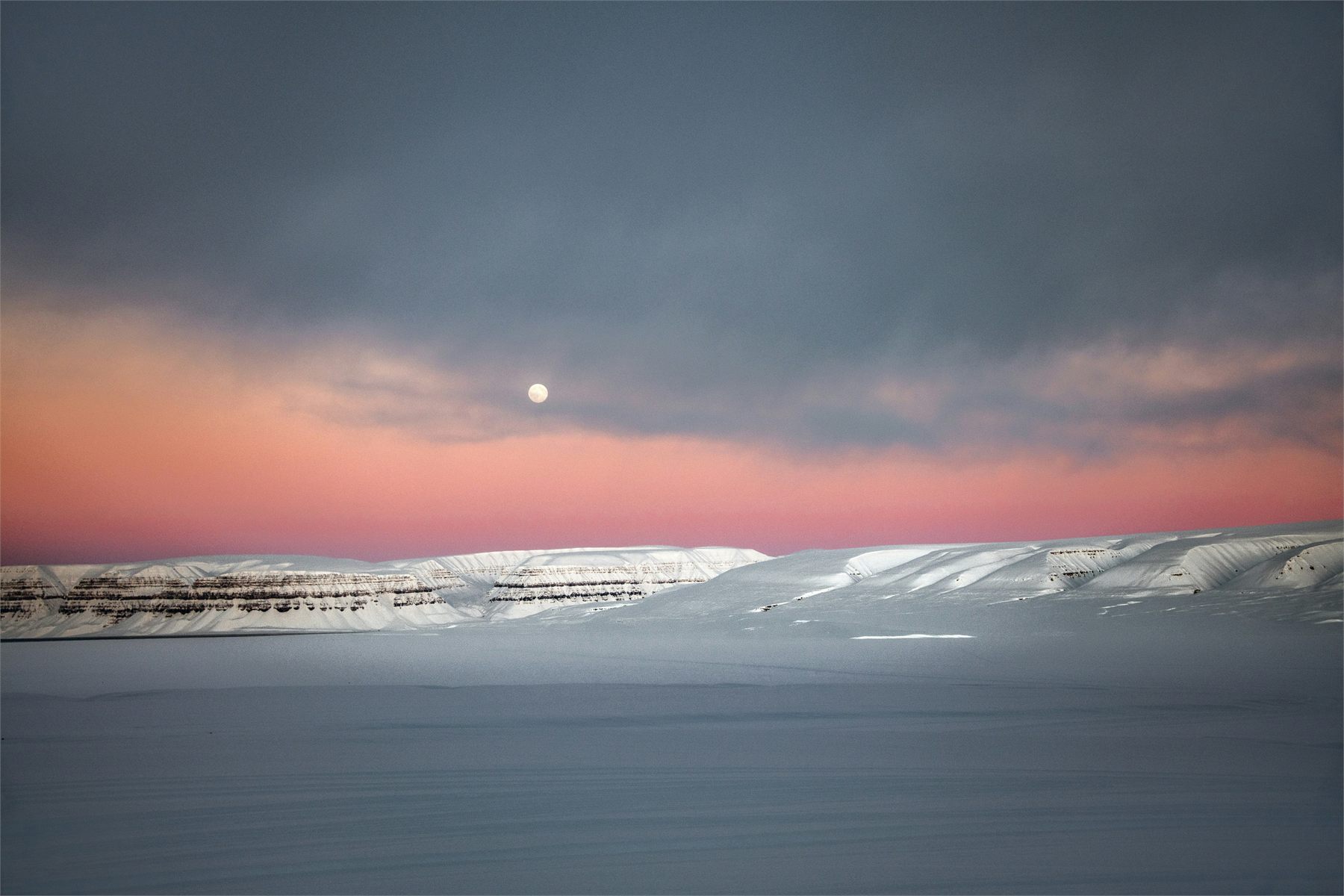
Go in April and the sun has only just returned after four months of polar night — so instead of flat round-the-clock daylight you get hours of low, raking, pink-and-gold light, and the whole landscape is still frozen. The fjords hold fast ice. The mountains are white to the waterline. And the polar bears are still out on the sea ice hunting seals along the floe edge, which is where they are meant to be and where they are hardest to see in summer.
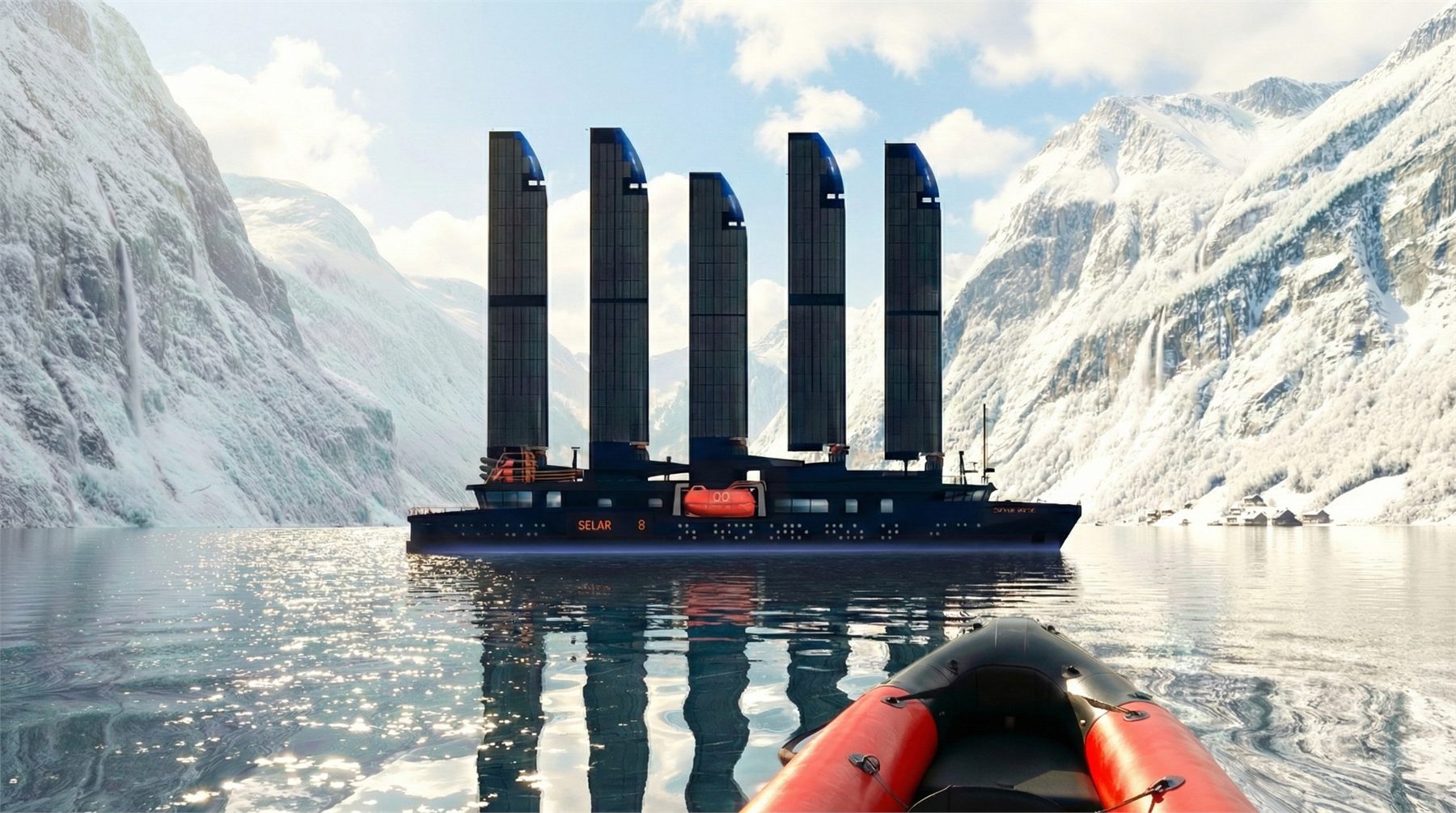
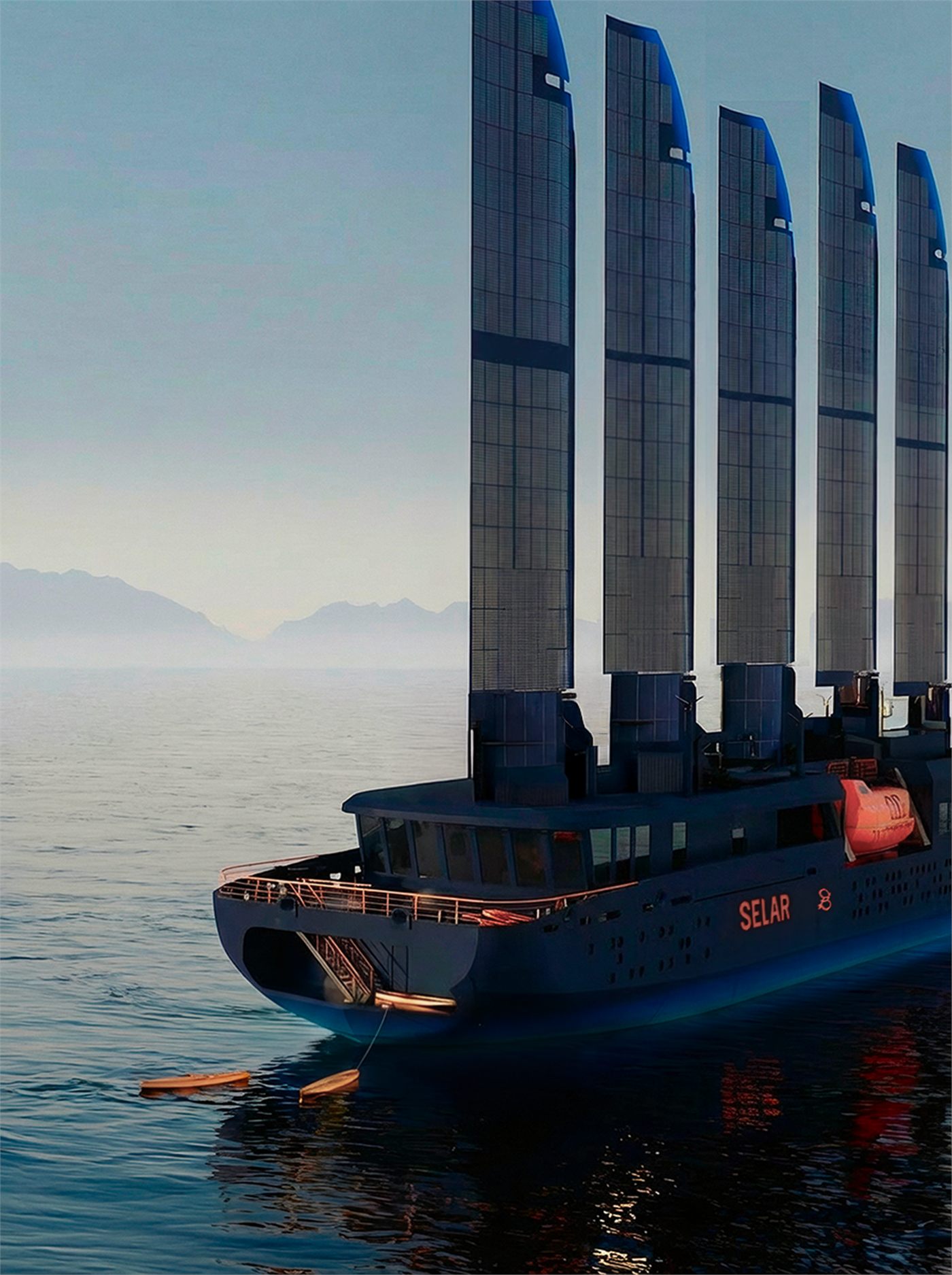
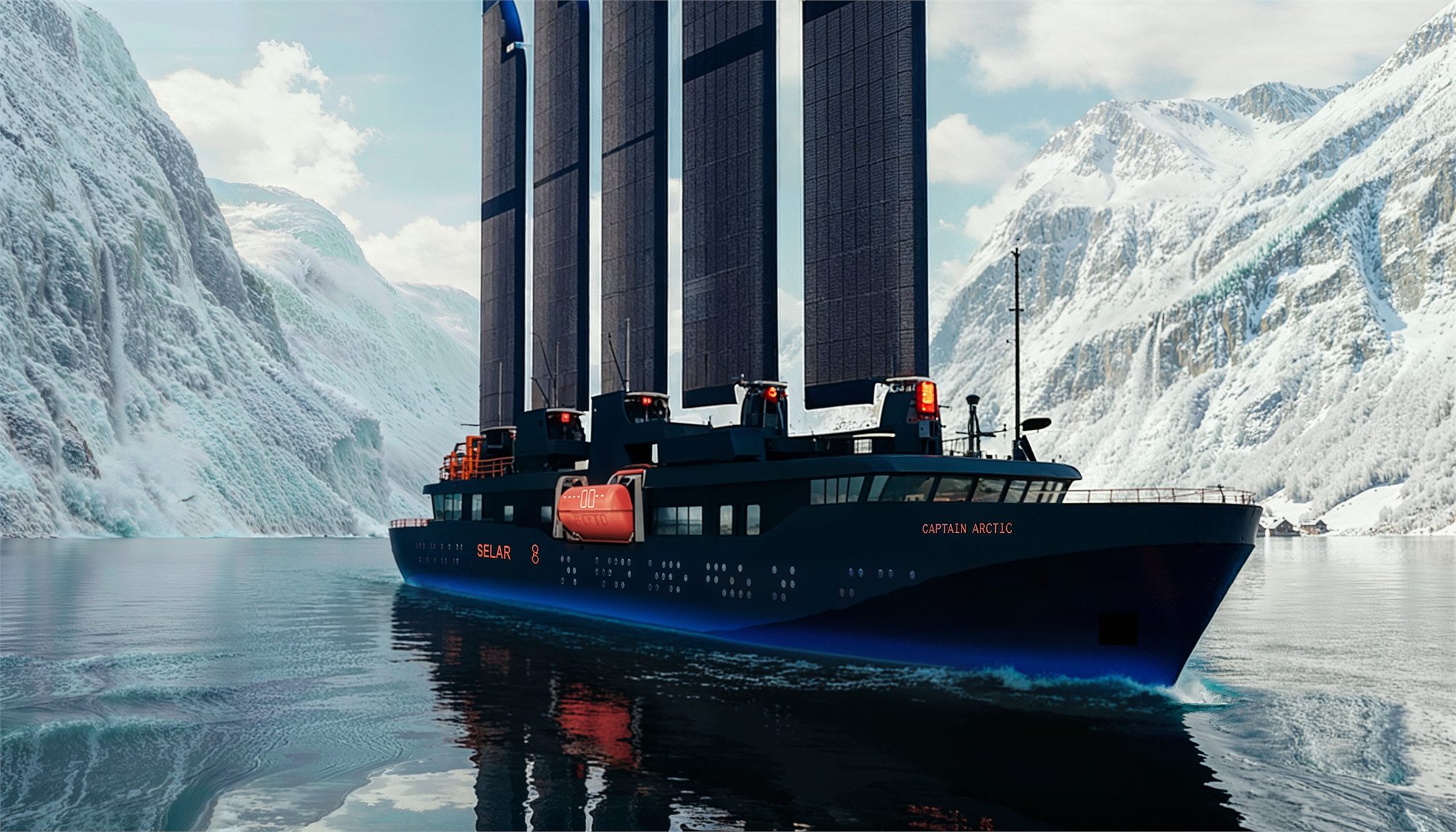
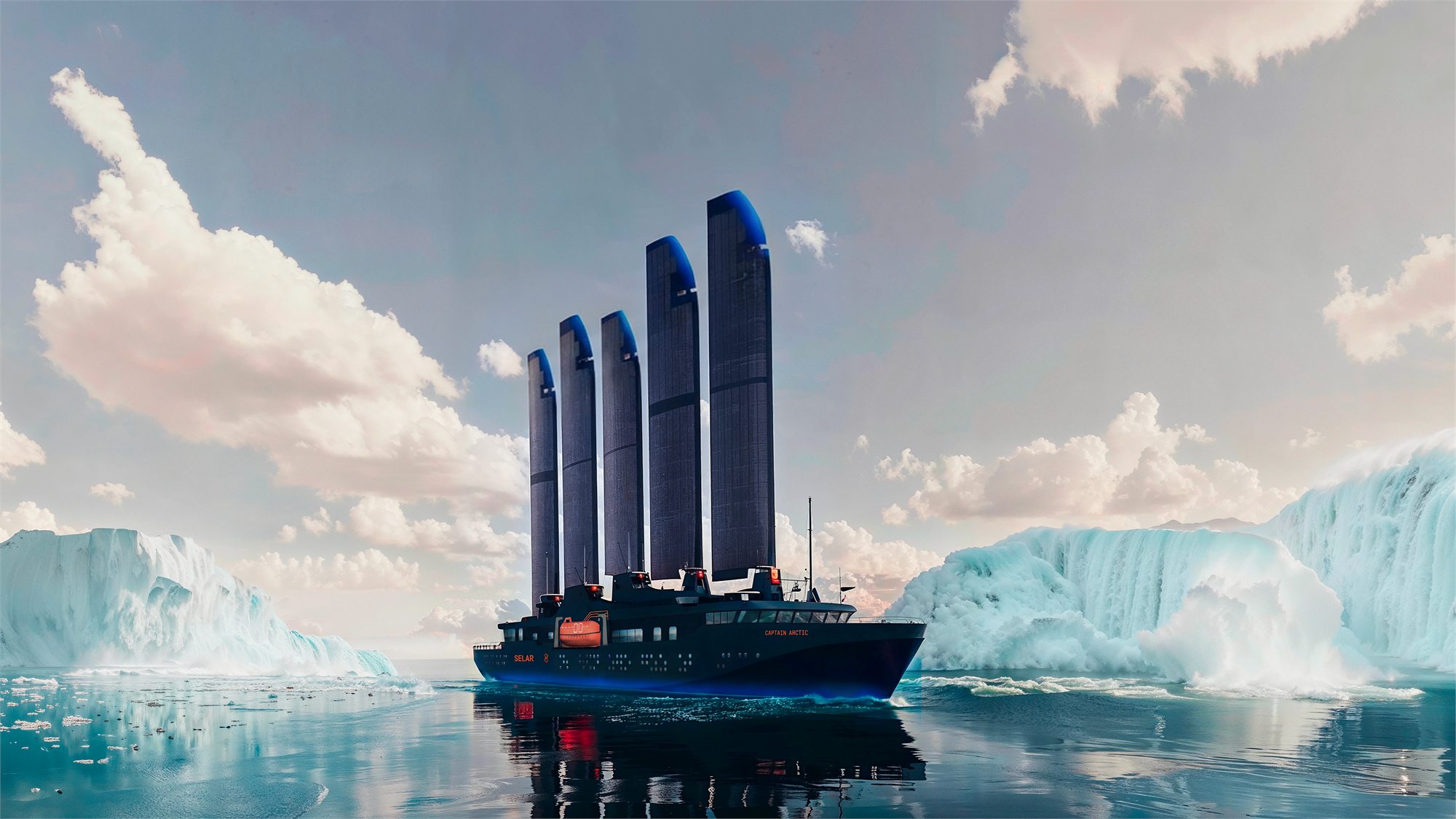
The ship is the other half of the argument. Captain Arctic is seventy metres, carries thirty-six guests, and sails on five retractable solar sails with clean electric propulsion behind them. It emits roughly ninety per cent less than most vessels working this region and it is quiet — which, when you are drifting at an ice edge looking for an animal that hears far better than it sees, is not a marketing point but an operational one.
This is her maiden Arctic season, chartered by Unwild Planet. No ship has run this exact route before.
I book it, arrange the flights and the nights either side, and stay on call throughout — at no extra cost to you.
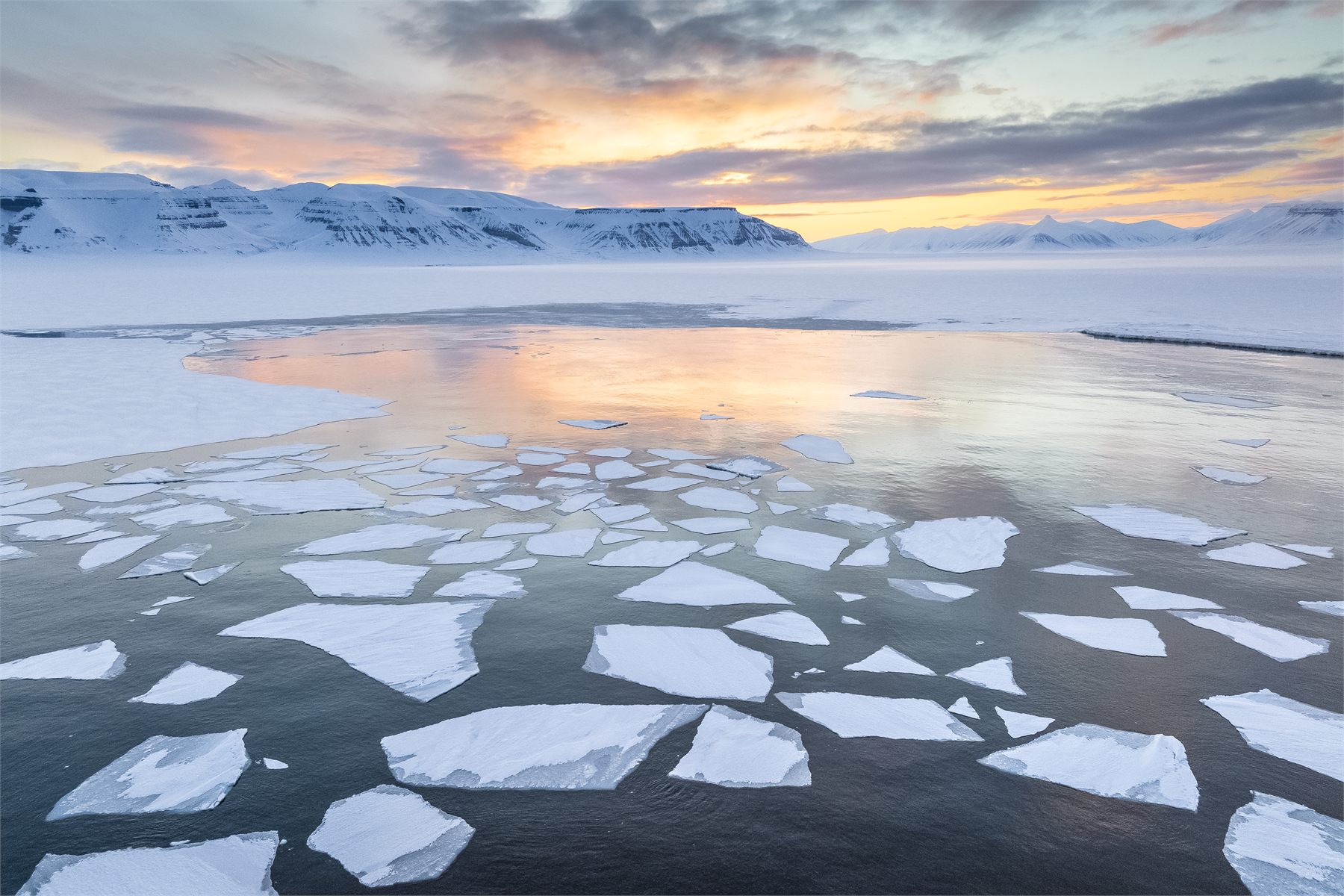
A silent ship at the floe edge, and four months of darkness just lifted.
West & Northwest Svalbard · AprilWhy April
Six reasons the season matters more than the destination.
Bears on the ice
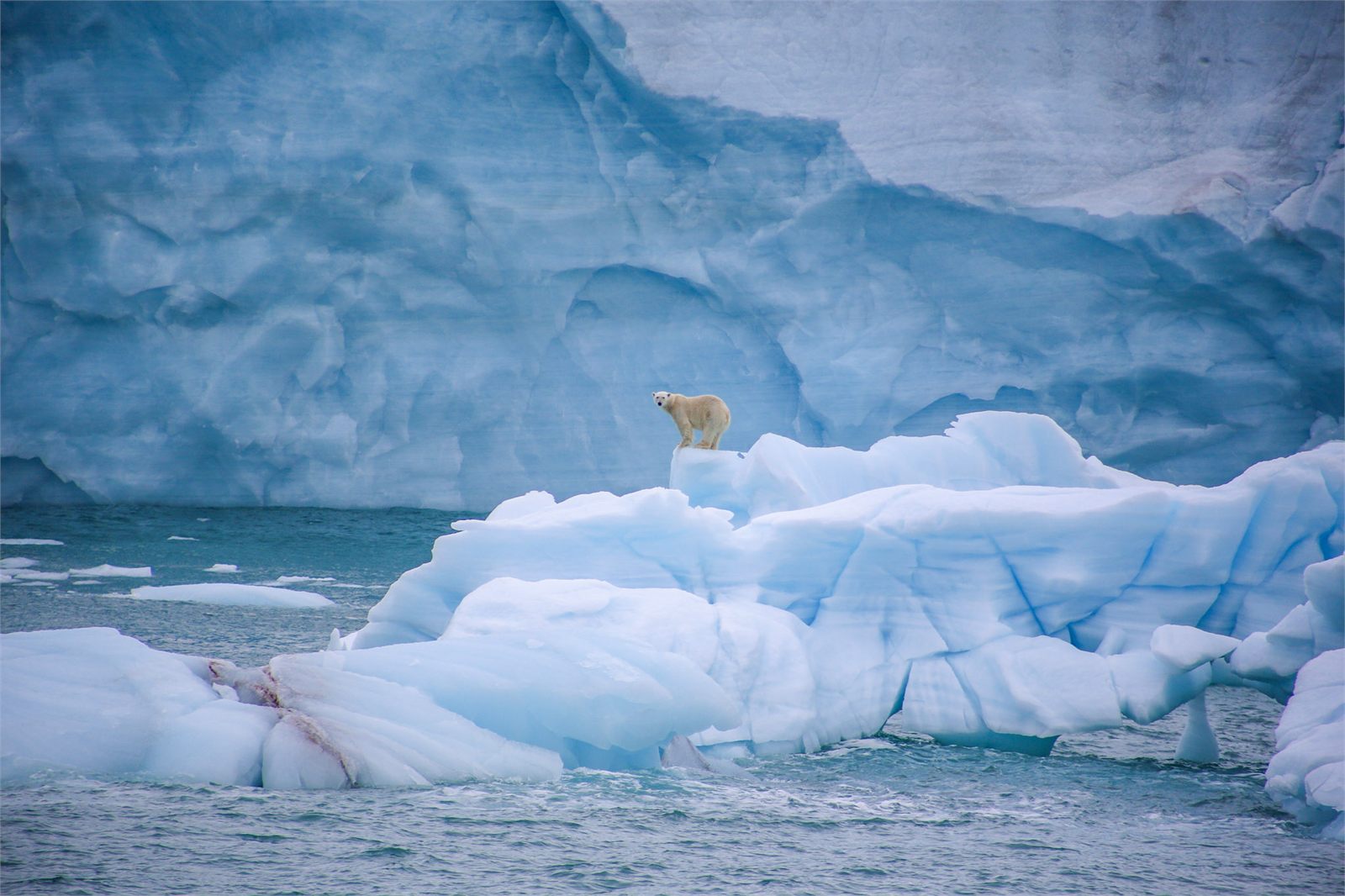
In April the sea ice still reaches the fjords, and polar bears are hunting on it rather than stranded ashore waiting for it to return.
The light
The sun is back but still low. You get hours of the pink and gold that summer's overhead midnight sun simply never produces.
A frozen archipelago
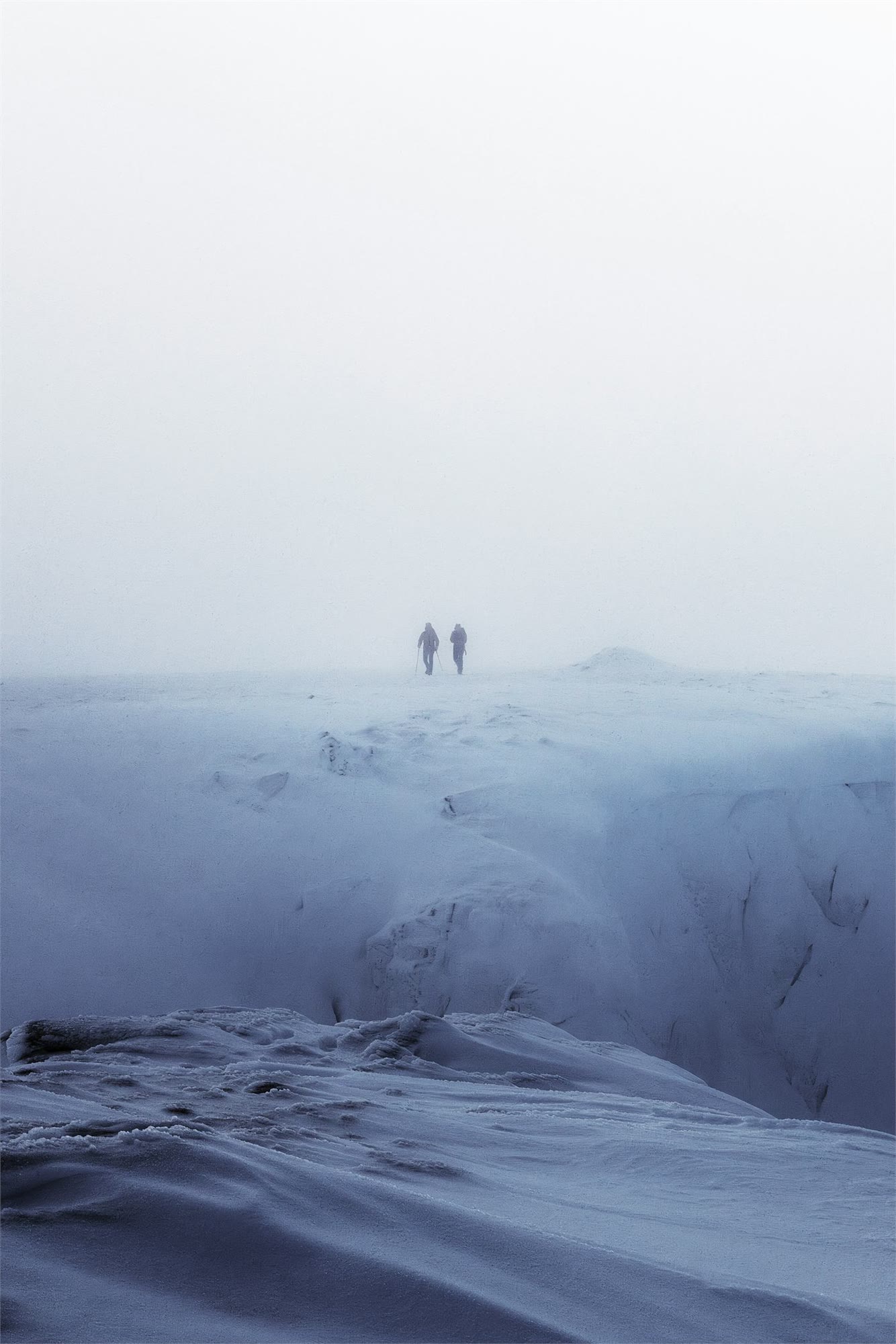
Fast ice in the fjords, snow to the waterline, and the option to walk, snowshoe and haul out onto surfaces that are open water by July.
A silent ship
Under sail there is no engine noise and no vibration — better for the wildlife, and considerably better for you.
Thirty-six guests
Everyone goes ashore in one movement. Nobody waits a turn, and nobody is in the second Zodiac watching the animal leave.
A maiden season
A new vessel, a new route, and a charter small enough that the expedition team can chase conditions rather than a schedule.
The Voyage, Stage by Stage
A route in nine movements, and none of them fixed.
The operator says it plainly: the itinerary will take shape with the ice, weather and wildlife allowing. What follows is the intended route, north up the west coast and back down through Isfjorden, across ten days.
One · Longyearbyen
Board at 78 degrees north
Longyearbyen is the northernmost real town on earth — a coal settlement turned research and expedition base, ringed by mountains and, in April, still deep in snow. You board Captain Arctic in the afternoon, are fitted out in the mudroom, and meet the expedition team over dinner as the ship moves out into Isfjorden.
Two · Magdalena Fjord & Smeerenburg
Whaling grounds, and the walrus colonies
Magdalena Fjord is the postcard of northwest Spitsbergen — a narrow, glacier-walled inlet that has been drawing ships since the seventeenth century. You hike above it for the view down the fjord, then move on to Smeerenburg on Amsterdamøya.
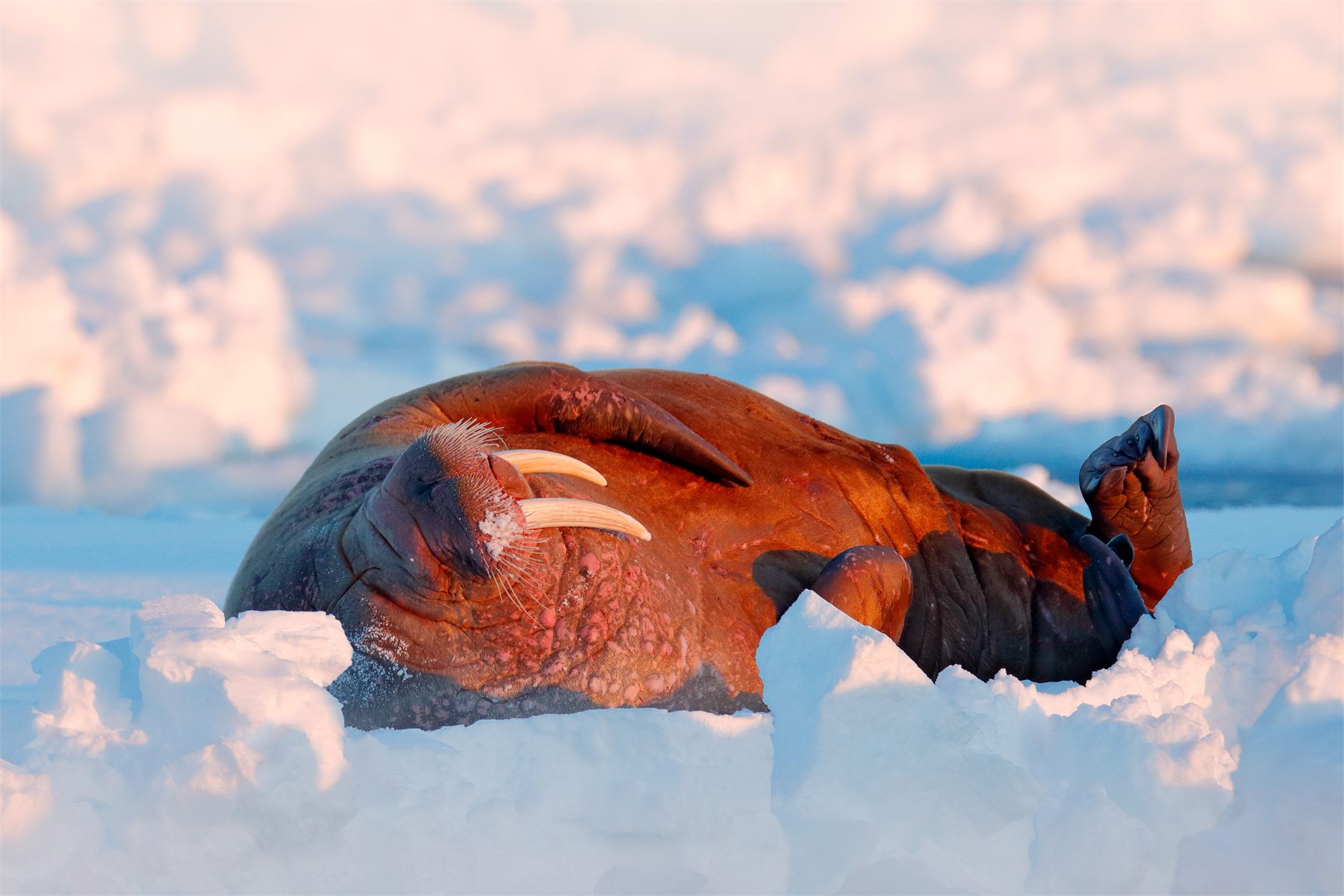
Smeerenburg was a Dutch whaling station in the 1620s, and the blubber ovens are still there in the gravel. Today the beach belongs to walrus, hauled out in heaps and entirely indifferent to visitors who keep their distance.
Three · Ytre Norskøya & Fuglefjorden
Kayak, paddleboard, and a barbecue on the ice
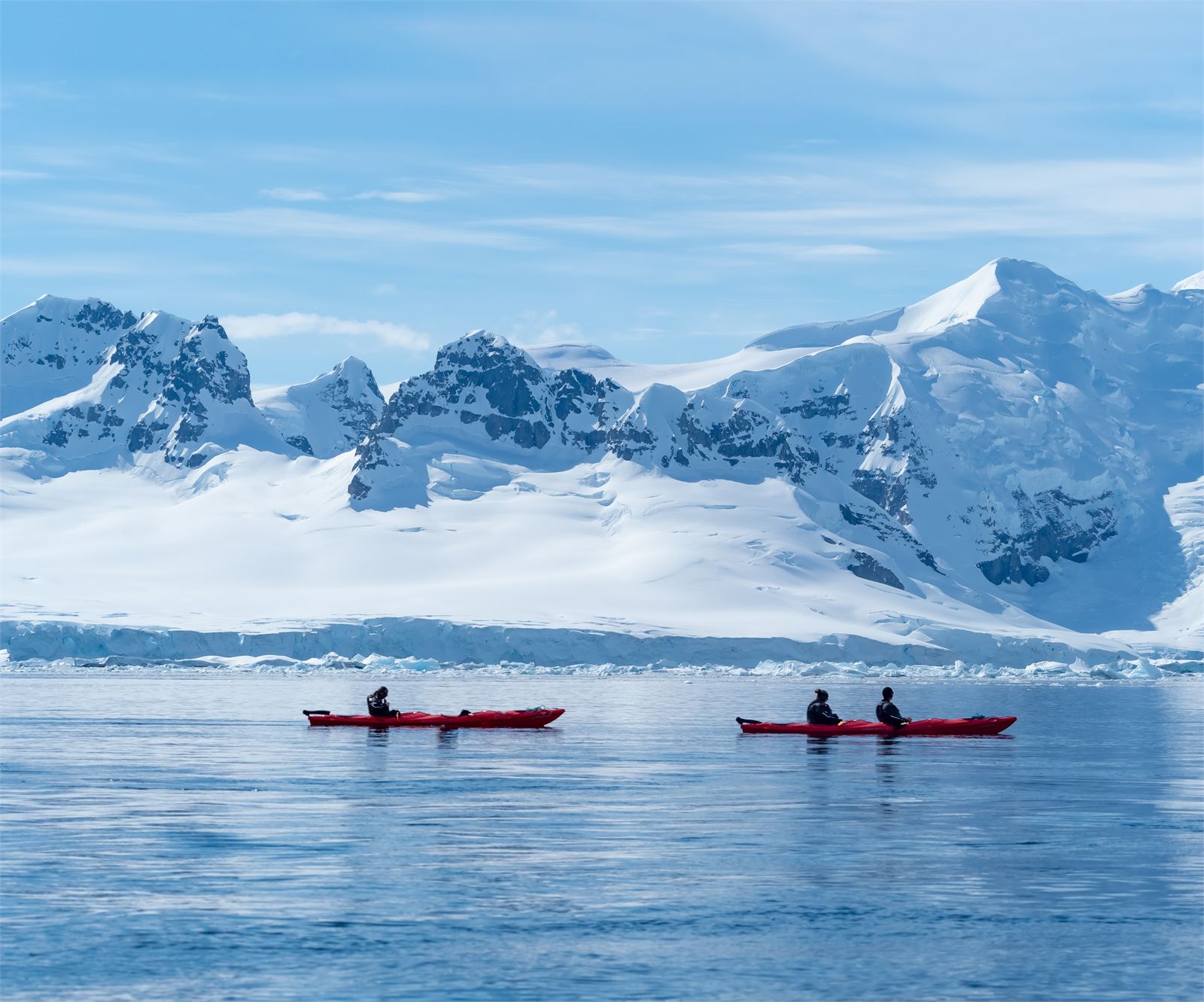
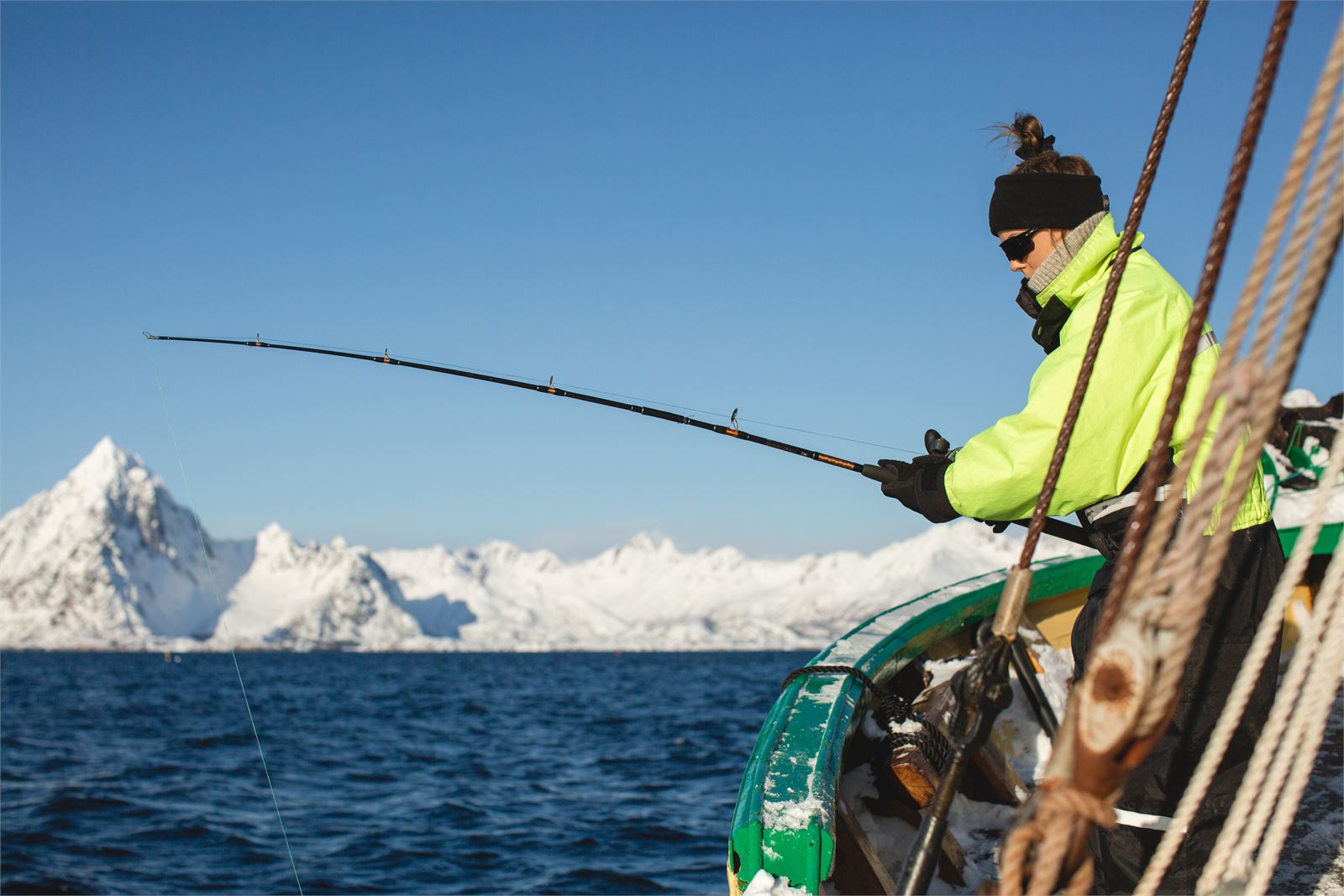
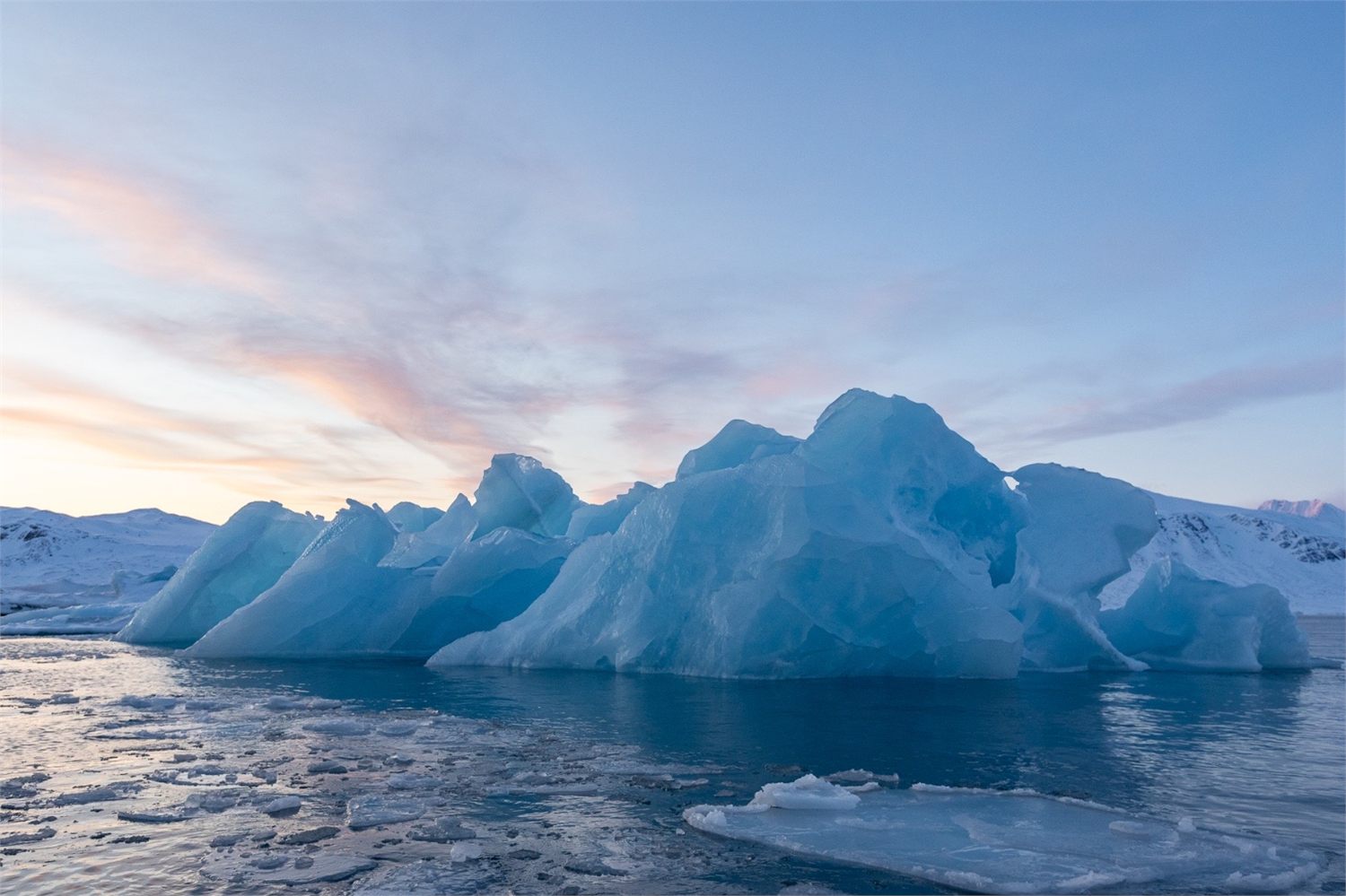
A hike on Ytre Norskøya — a small outer island the Dutch used as a lookout, with graves still on the ridge — and then the day goes onto the water. Kayak, Zodiac or stand-up paddleboard through Fuglefjorden, which is fed directly by a glacier front and usually full of drifting ice.
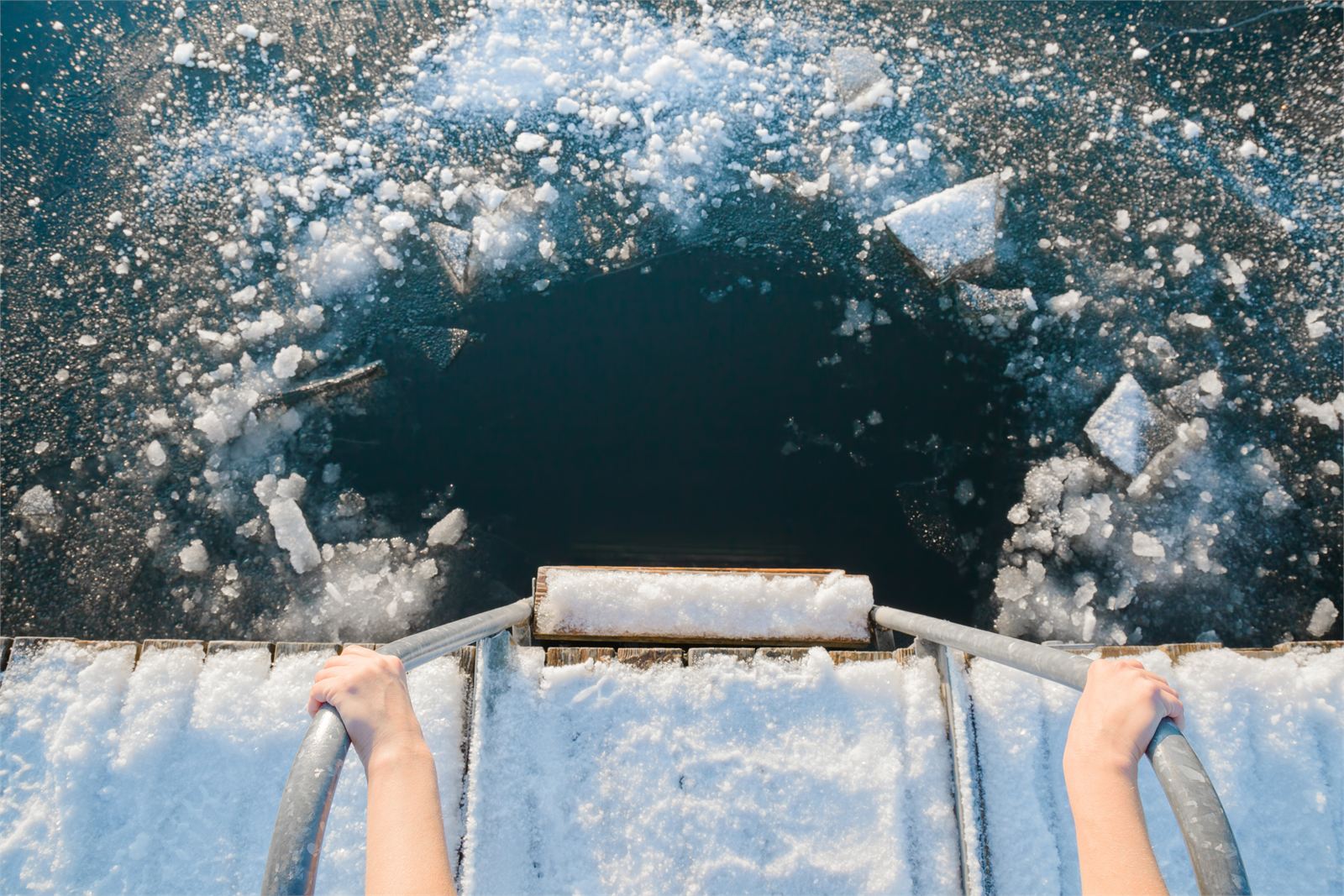
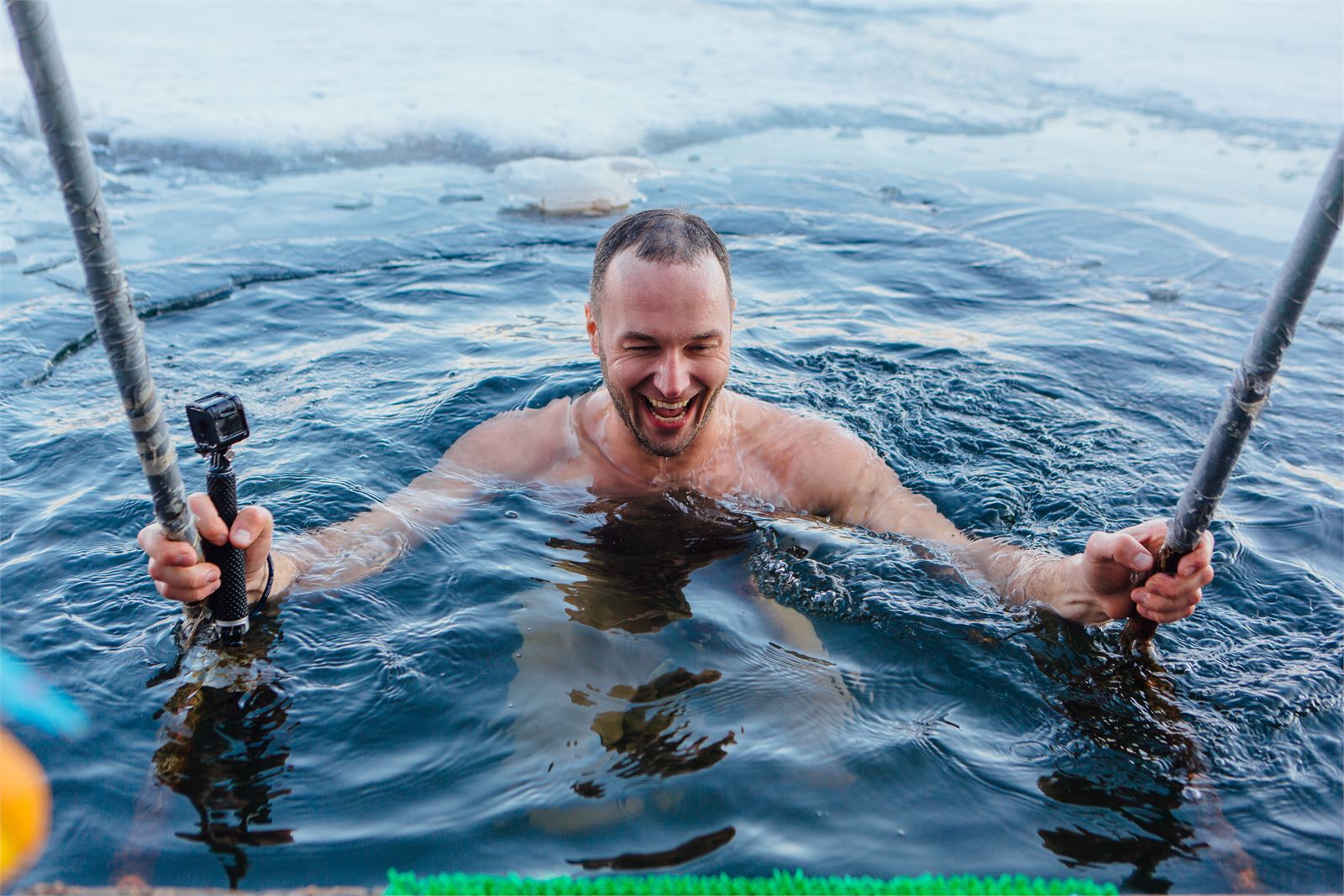
The day ends with a barbecue laid out in the open and a polar bath for anyone willing. Both are more civilised than they sound, and the sauna afterwards is the point.
Four · Mushamna & Texas Bar
Trappers' huts, and the glacier walk
Mushamna holds a traditional trapper's hut, still used, and it is the clearest window on this page into how people actually survived overwintering here. Texas Bar — a hut built by a Norwegian trapper in the 1920s and named with more optimism than accuracy — sits nearby.
There is Arctic salmon when the conditions allow, and a hike towards the glacier front before you come back aboard and warm up properly.
Five · The ice edge
North until the ice says no
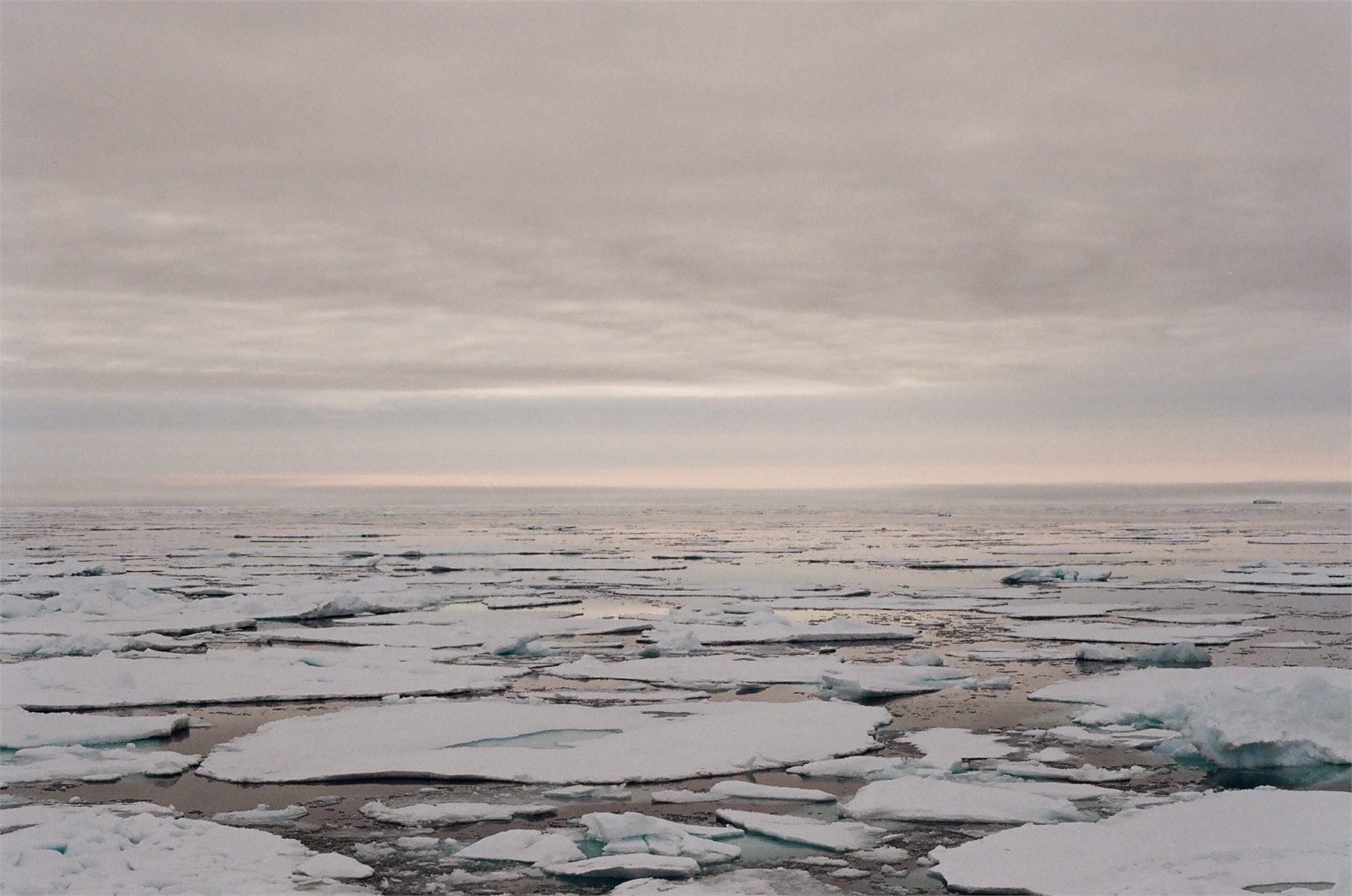
This is the day the whole voyage is built around. The ship pushes as far north as the pack allows and then spends its time working the floe edge — the boundary between open water and solid ice, which is where the seals are, and therefore where the bears are.
You explore it by Zodiac, kayak or paddleboard and step out onto the ice itself where it is safe to do so. There is a polar bath for the brave, which at this latitude is a genuinely small club.
Six · Ny-Ålesund & Kongsfjorden
The world's northernmost research town
Ny-Ålesund is a working international science station and one of the northernmost permanently staffed settlements anywhere — a place of instruments, huskies, and the mast Amundsen's airship flew from in 1926. Across the fjord, New London is the abandoned remains of a British marble-quarrying venture that failed almost immediately, machinery still sitting where it was left.
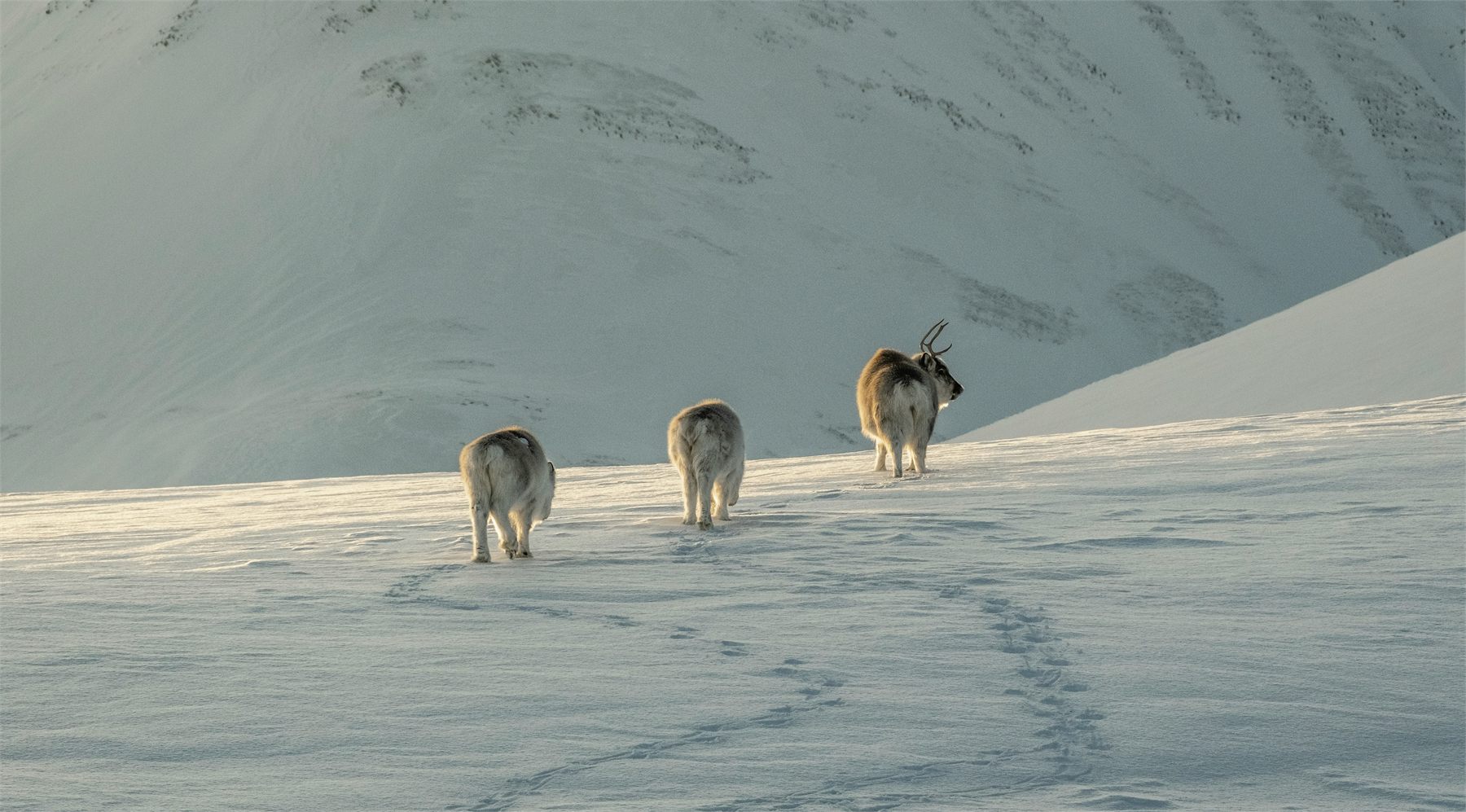
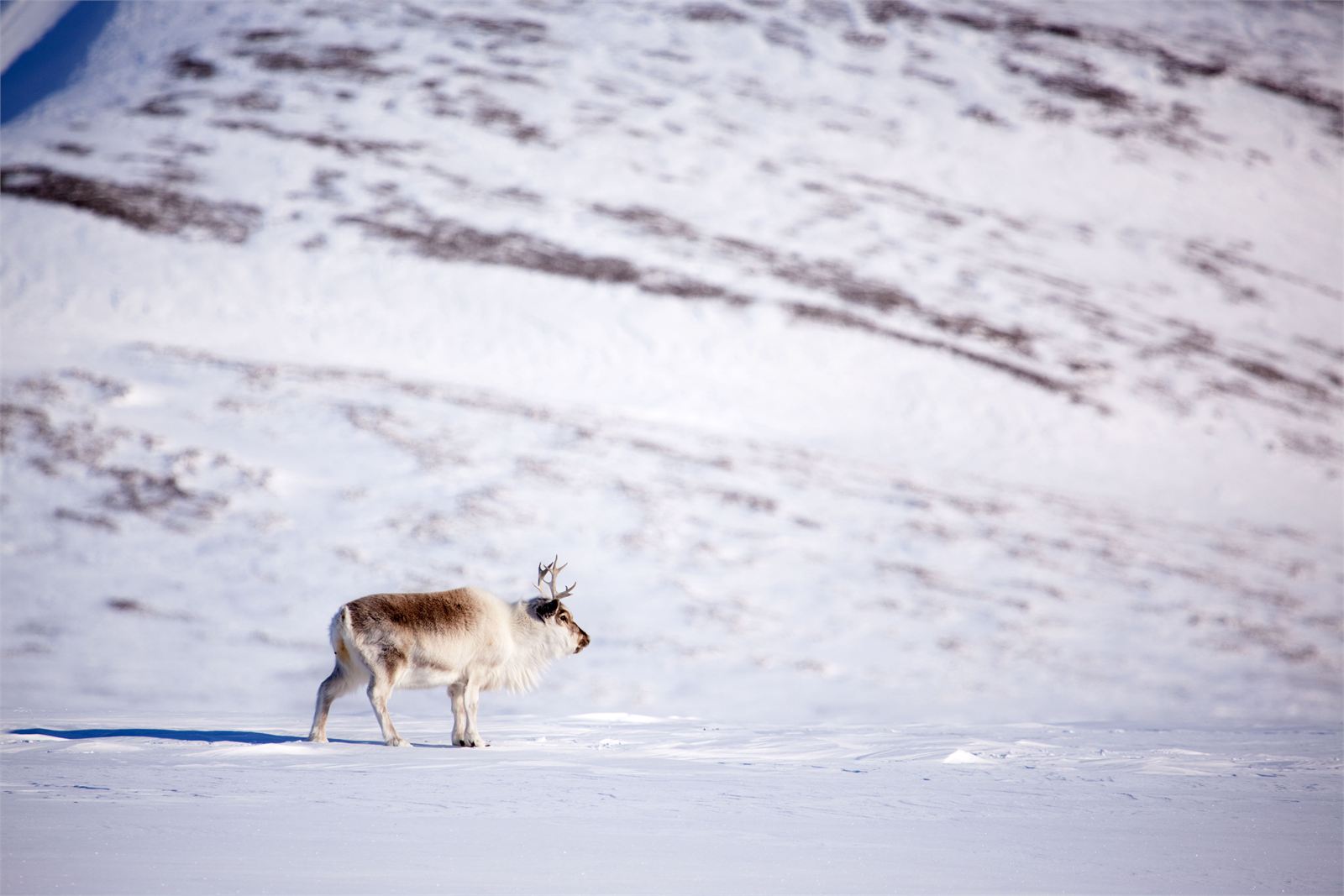
Kongsfjorden itself is superb wildlife ground: Arctic foxes in their winter coats, and Svalbard reindeer, which are stockier and shorter-legged than any other reindeer on earth.
Seven · Recherchefjorden
South into Bellsund, and a long walk
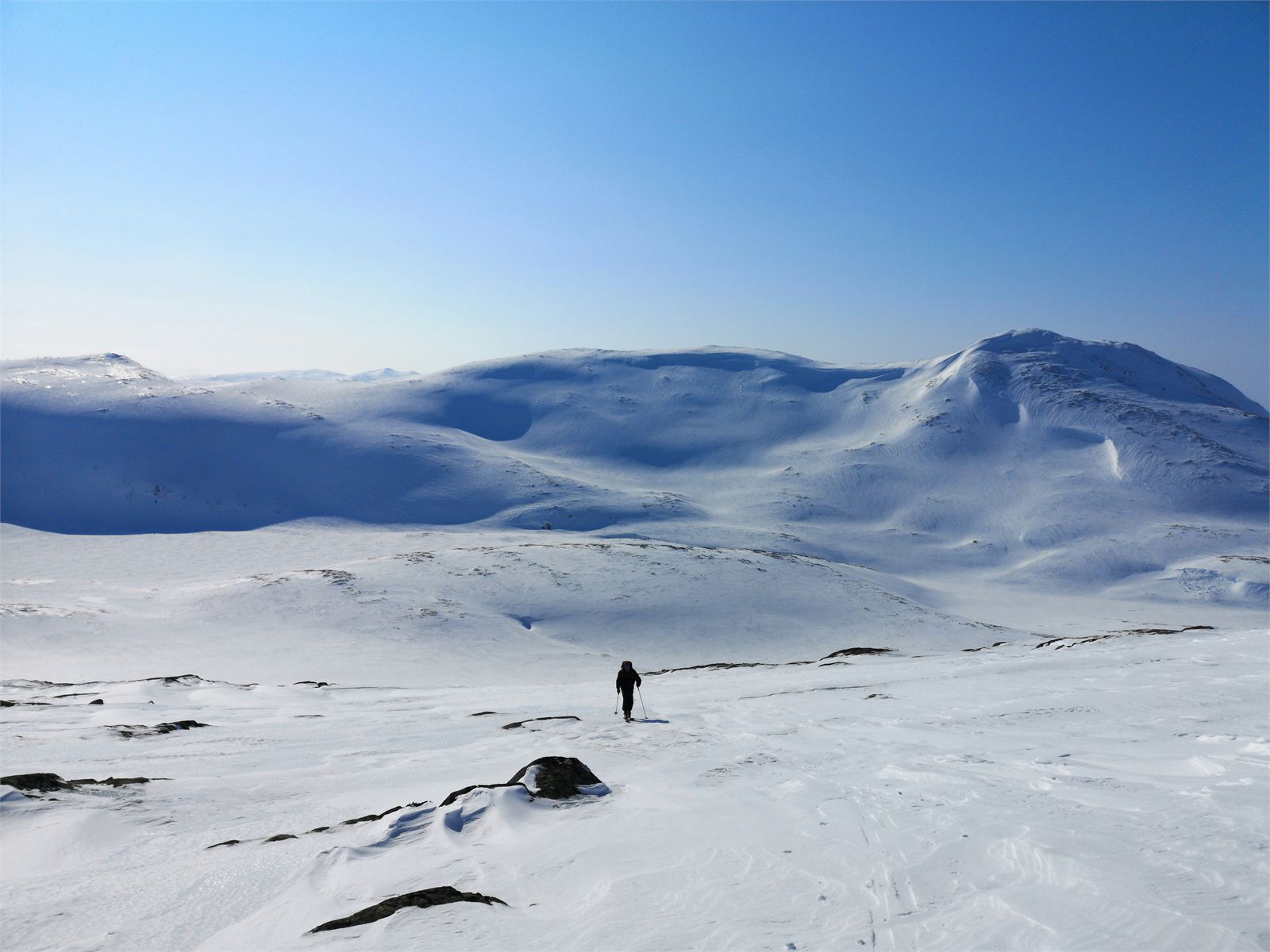
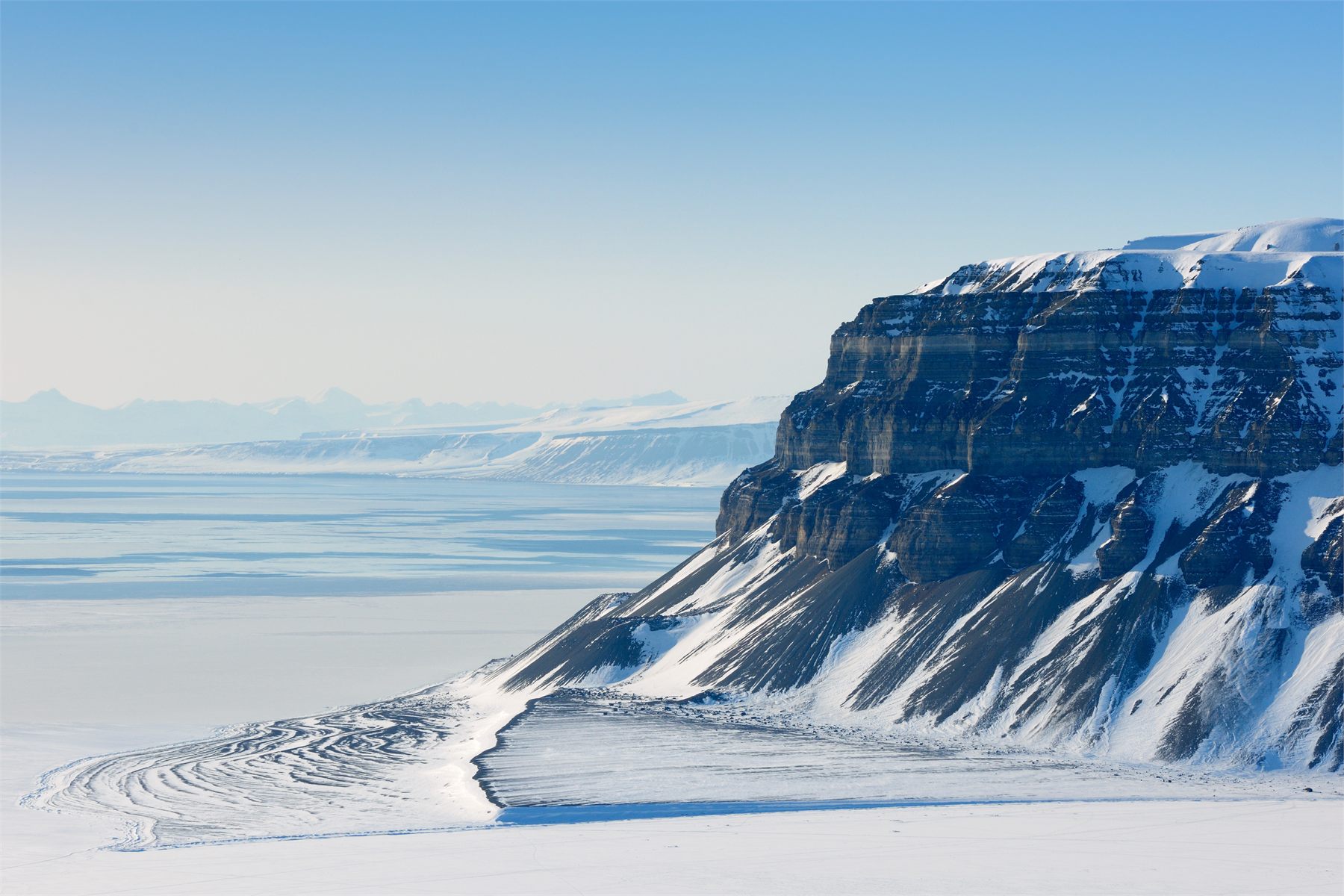
Recherchefjorden, in the Bellsund system on the west coast, is named for a French scientific expedition that came looking for a lost ship in 1838. It is broad, quiet and rimmed by tundra that in April is still under snow.
This is the day for a proper hike — out across the Arctic tundra with the expedition team, and then exploring the shoreline on foot or by Zodiac.
Eight · Borebukta & Ekmanfjorden
Back into Isfjorden, and the last search
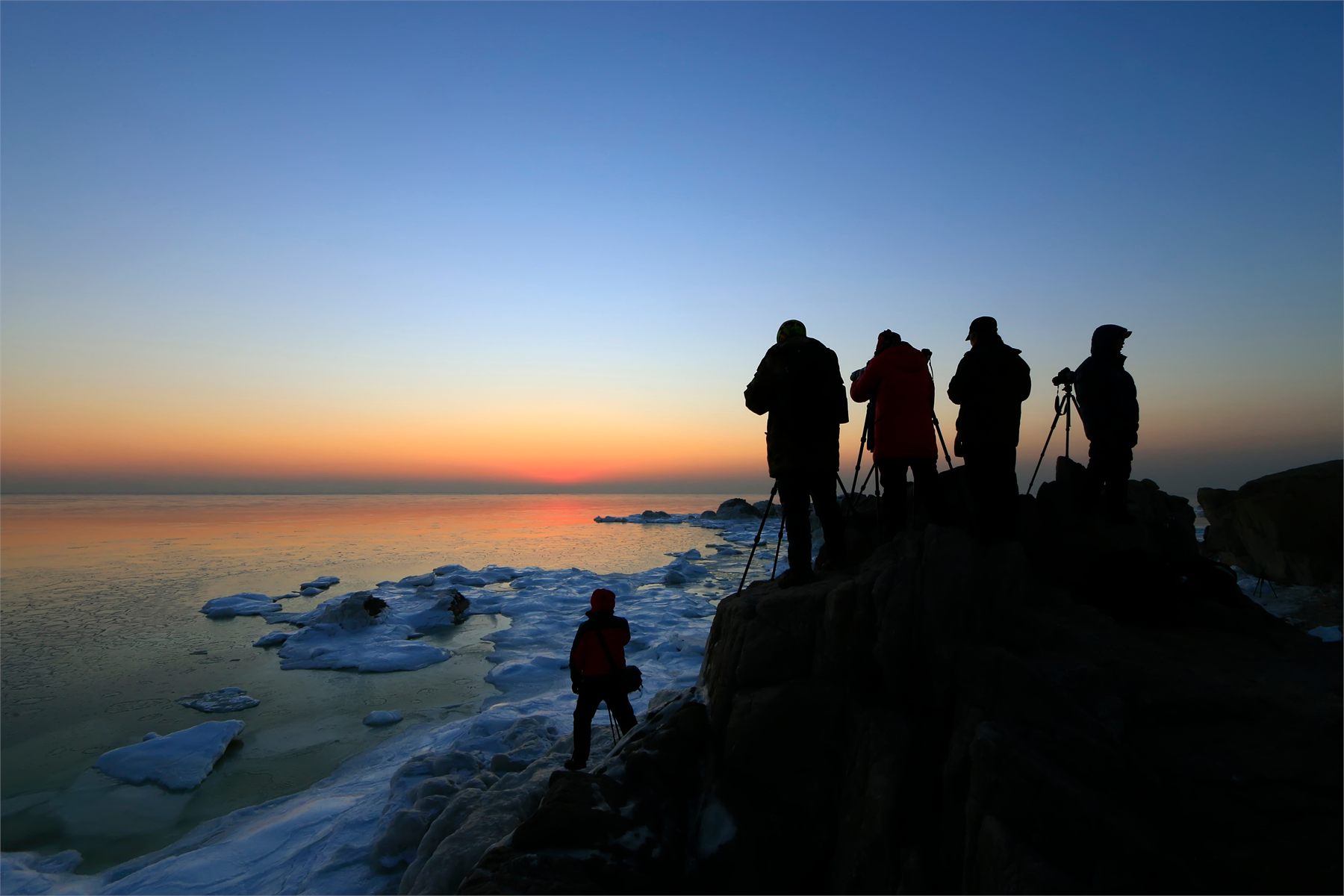
The ship comes back into Isfjorden — the great fjord system that almost bisects Spitsbergen — and works Borebukta and Ekmanfjorden, both fed by large tidewater glaciers. More walrus, more reindeer, and glacier fronts you can sit in front of for an hour without anything happening and not mind at all.
Nine and ten · Longyearbyen
The final approach, and home
A last stretch of Isfjorden, the closing lectures and the image review, and then the ship returns to Longyearbyen. You disembark after breakfast.
The Ship
Captain Arctic
Seventy metres, thirty-six guests, twenty-four crew, and five rigid solar sails standing thirty-five metres above the deck that retract like a Swiss Army knife when the weather demands it.
She was built to work polar water quietly: wind and solar for propulsion, two propeller shafts that double as hydro turbines and generate power under sail, fresh water made on board by reverse osmosis, heating from a pellet boiler burning recycled wood waste, and a zero-waste-at-sea policy backed by an organic food digester and a treatment plant that turns black and grey water into technical potable water. Around ninety per cent lower emissions than most vessels working this region.
She also goes where bigger ships cannot. A PC7 ice-strengthened hull and a multibeam FarSounder let her navigate ice and enter genuinely uncharted water — which is precisely what a route nobody has sailed before requires.
Where I would put you
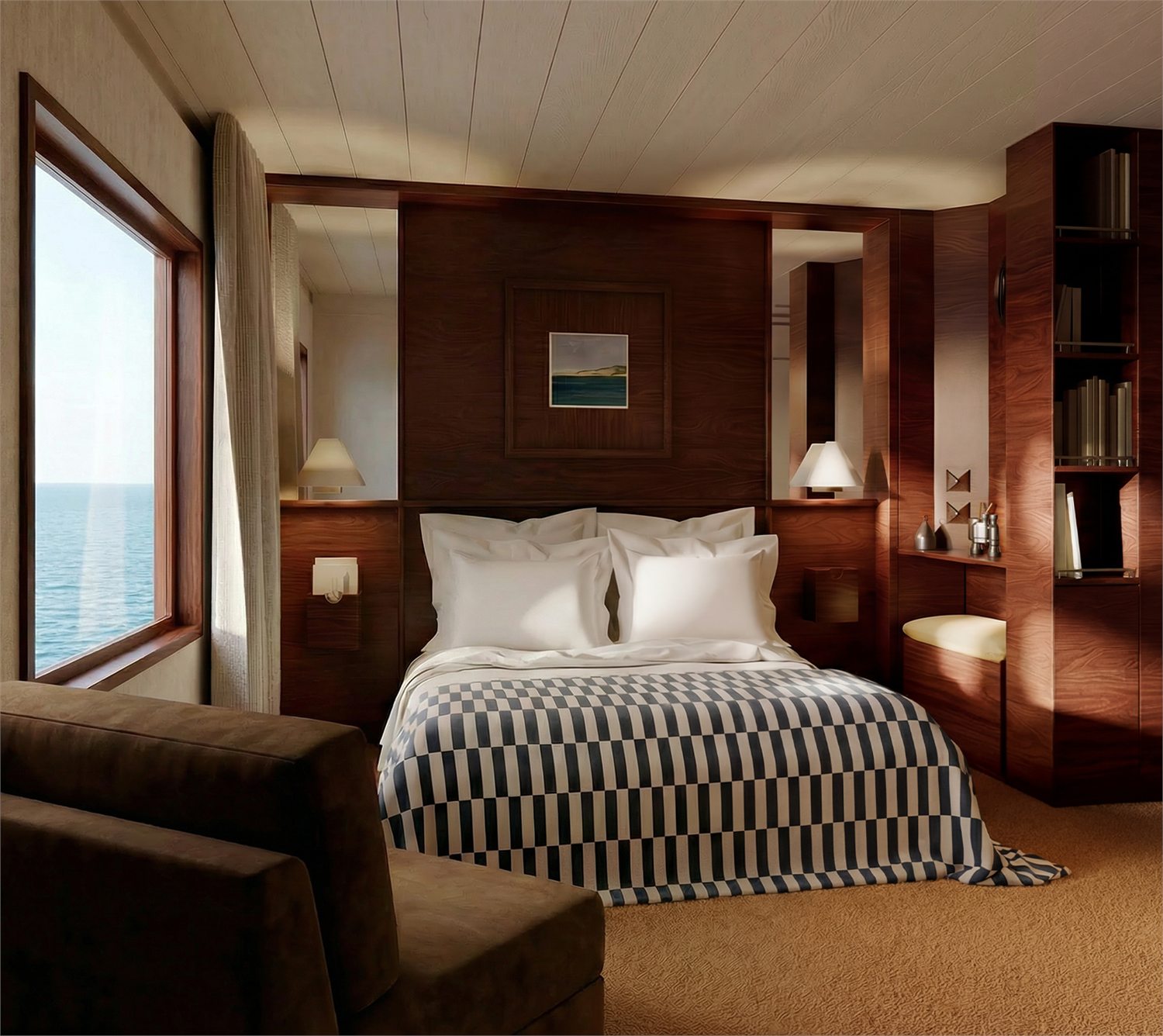
Superior Double · 20 sqm
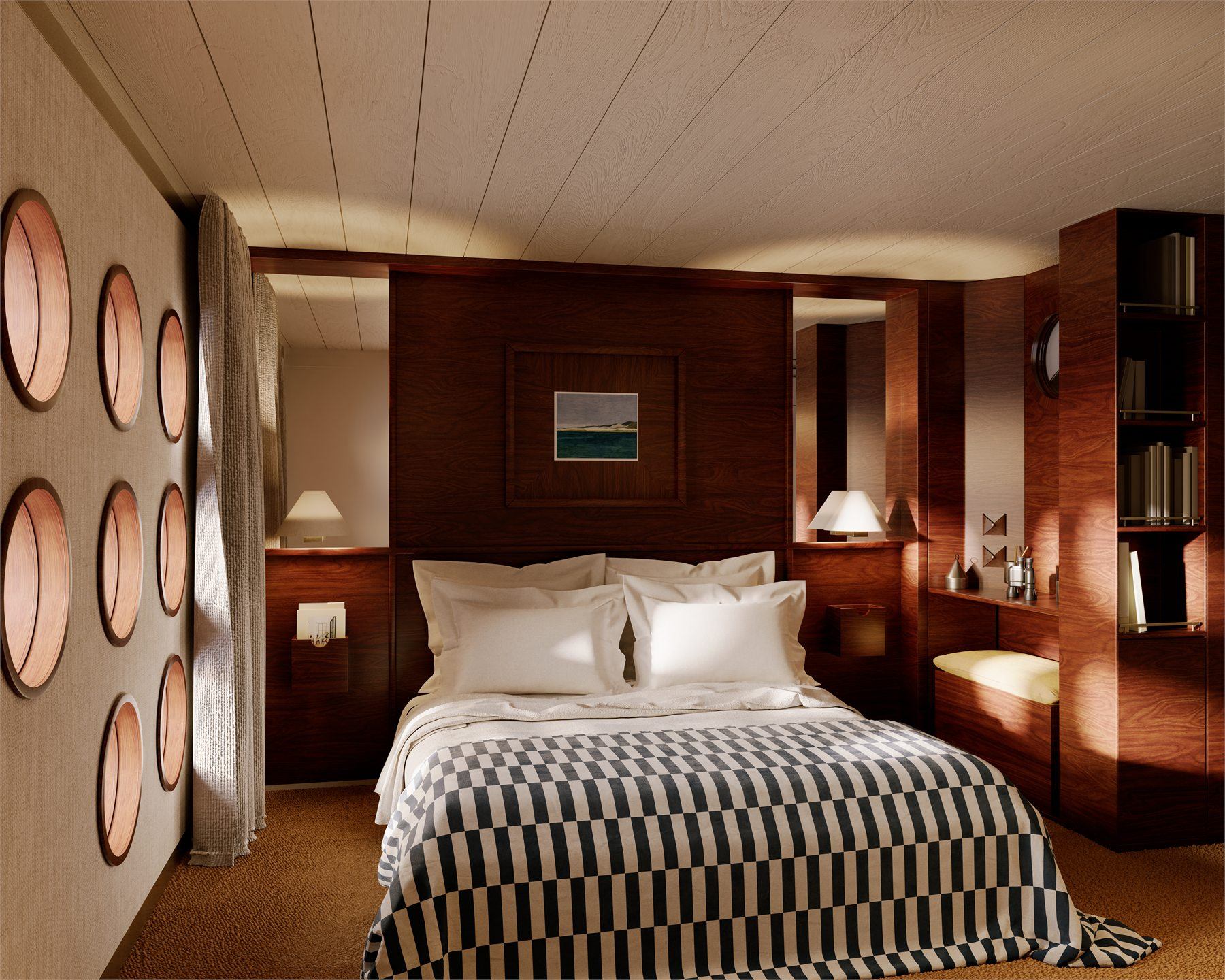
Two only, on the upper deck, with a large picture window instead of portholes. On a thirty-six-guest ship these are the first cabins to go, and April sailings book furthest out.
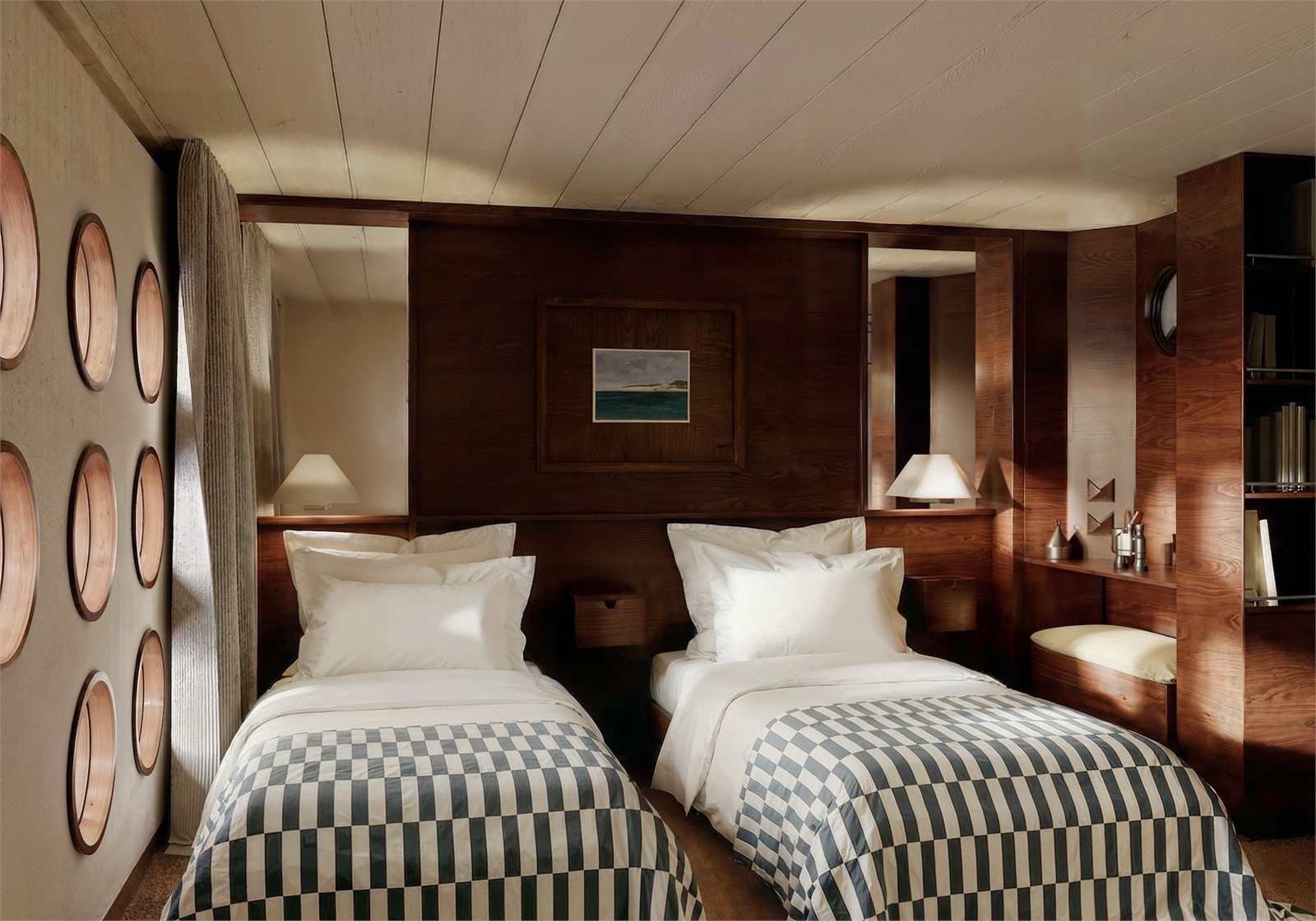
Standard Double · 15 sqm
Sixteen cabins, configurable as a double or as separated beds, in the same dark timber and brass language as the rest of the ship. Compact by design.
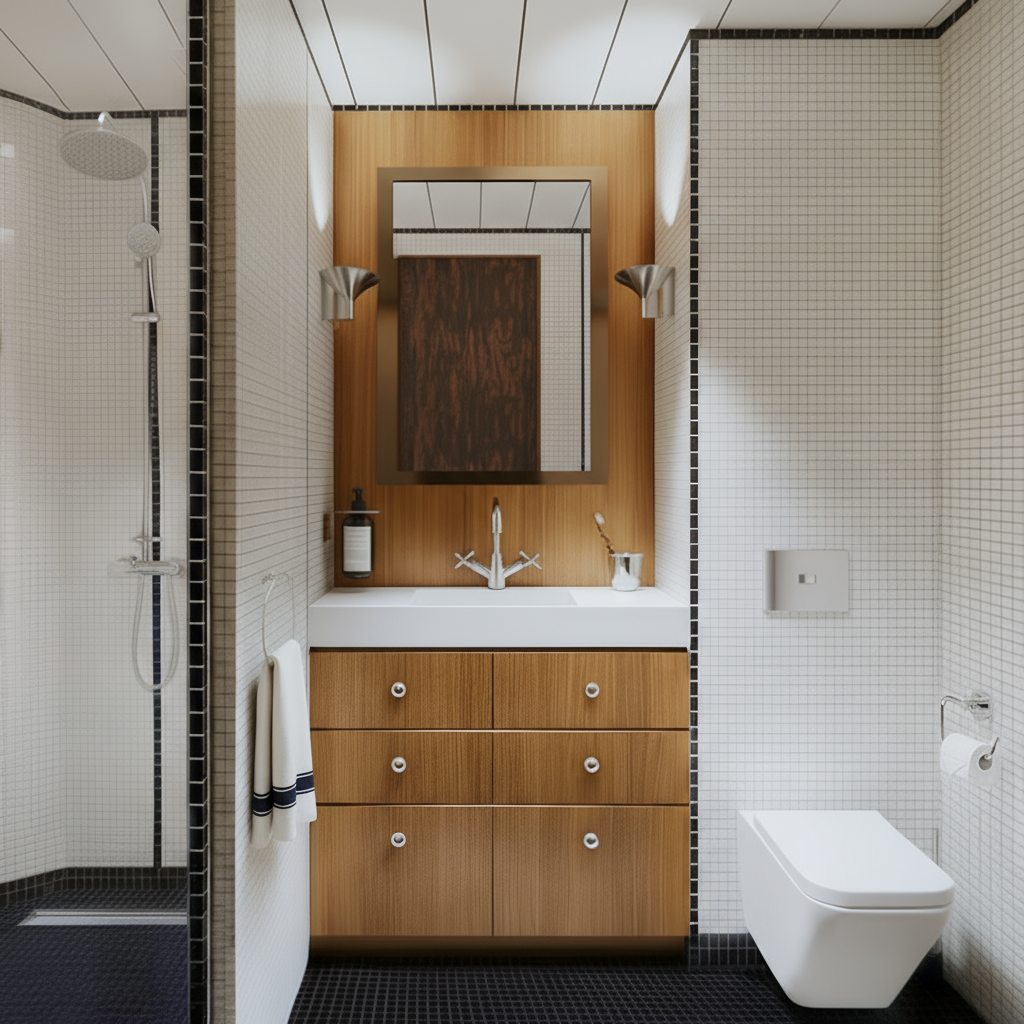
A different idea of luxury
No key, no mini bar, no room service. The ship is built around trust and shared space rather than service theatre. Every cabin has its own bathroom, and a very good shower after a day on the ice.
Why A Charter
A chartered ship is a different product from a cabin on a scheduled sailing.
On a scheduled departure you buy a place on somebody else's plan. On a charter the operator holds the entire vessel, so the route, the guides, the galley and the pace are all set for the people actually on board.
The itinerary is ours
There is no published schedule to protect. The expedition team reads the ice each morning and moves the ship to where the weather and the wildlife actually are, rather than to where a brochure promised nine months earlier.
The team is chosen, not assigned
Unwild Planet guides travel with the charter alongside the ship's own expedition staff. Briefings, languages and the whole rhythm of the day are pitched at this group rather than at a general market.
The galley works to a brief
Menus, dietary requirements and the range of the cooking are agreed with the chef in advance. On a chartered ship that is a conversation rather than a form you fill in at check-in.
A polar specialist holds the charter
Unwild Planet charters polar vessels as its core business, not as an occasional line on a wider programme. That shows up in the operational detail — ice routing, contingency planning, and who they put on the bridge.
Thirty-six guests, twenty-four crew
Two crew for every three guests. Everyone goes ashore in a single movement, nobody waits for the second Zodiac, and the service is genuinely personal because the arithmetic allows it.
A small ship reaches further
Seventy metres, PC7 ice-strengthened, with multibeam sonar for uncharted water. She works bays and fjord heads that vessels three times her size are not permitted to attempt.
Life On Board
What you do between the ice and the sauna.
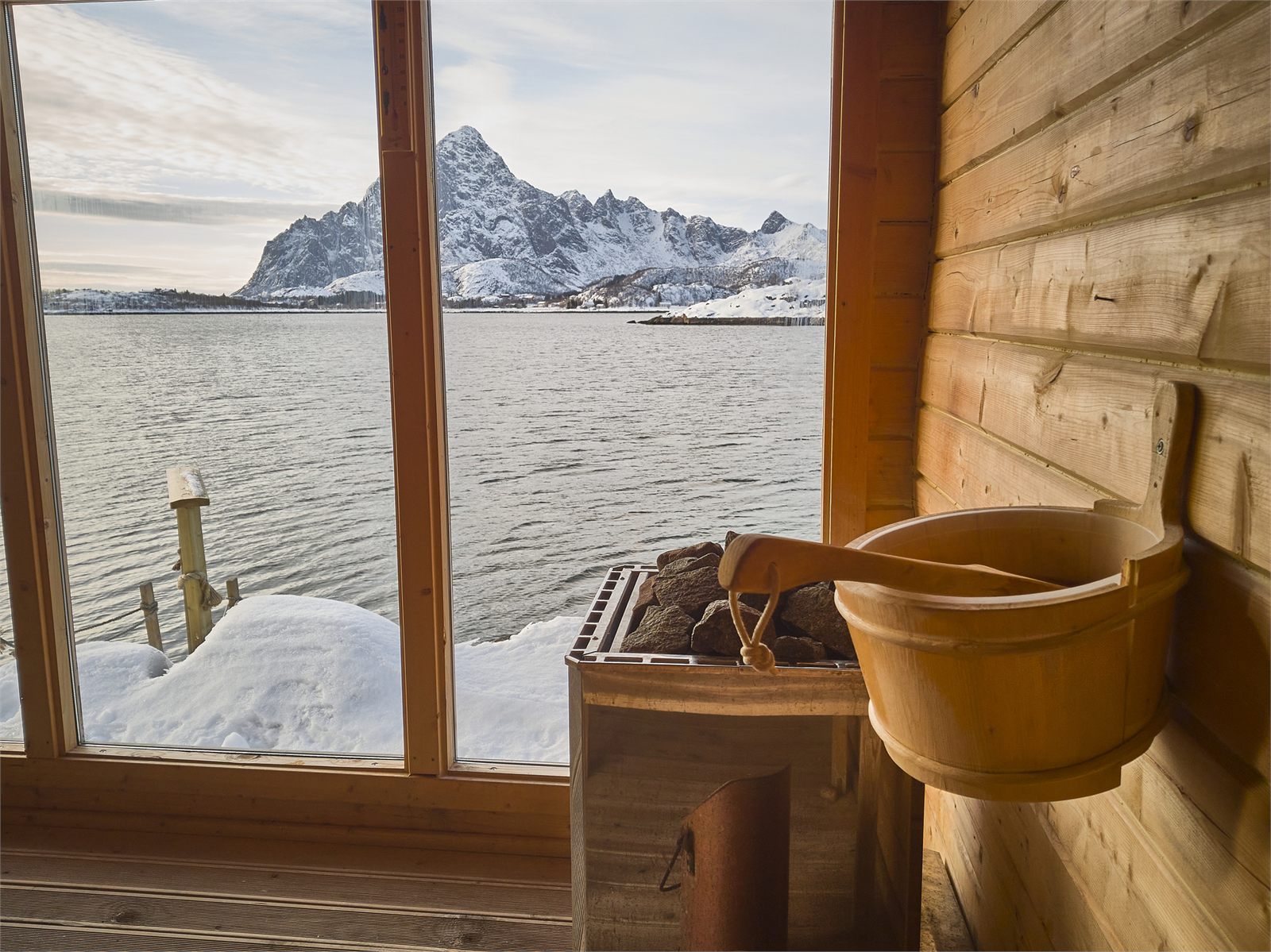
Sauna, then the polar bath
The order matters. Heat, then the Arctic, then heat again — the single most reliable route to sleeping well at 79 degrees north.
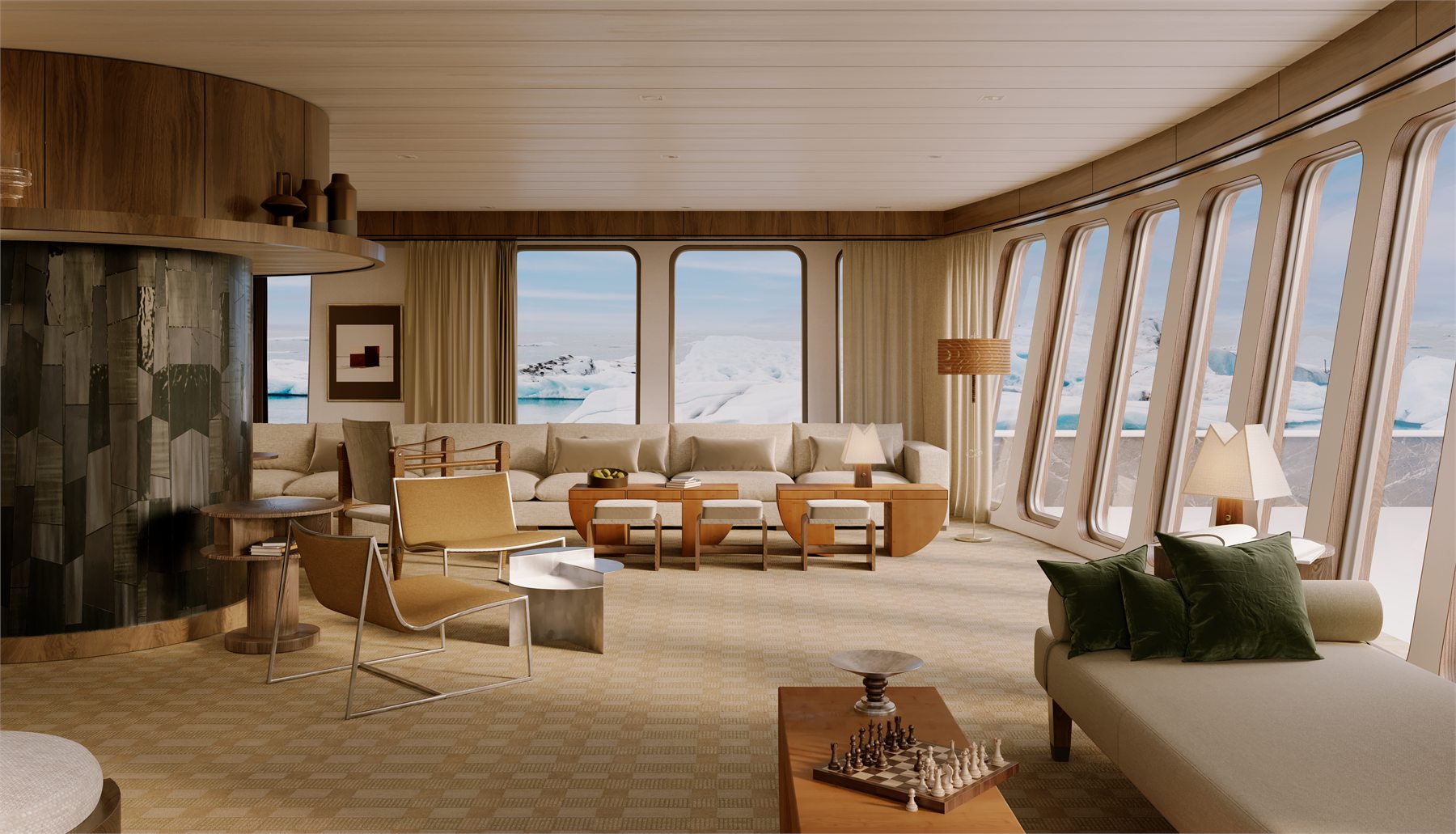
A floating gallery
The interior is curated as a living exhibition — photography, painting, sculpture and textiles throughout the ship, with a deliberate streak of wit.
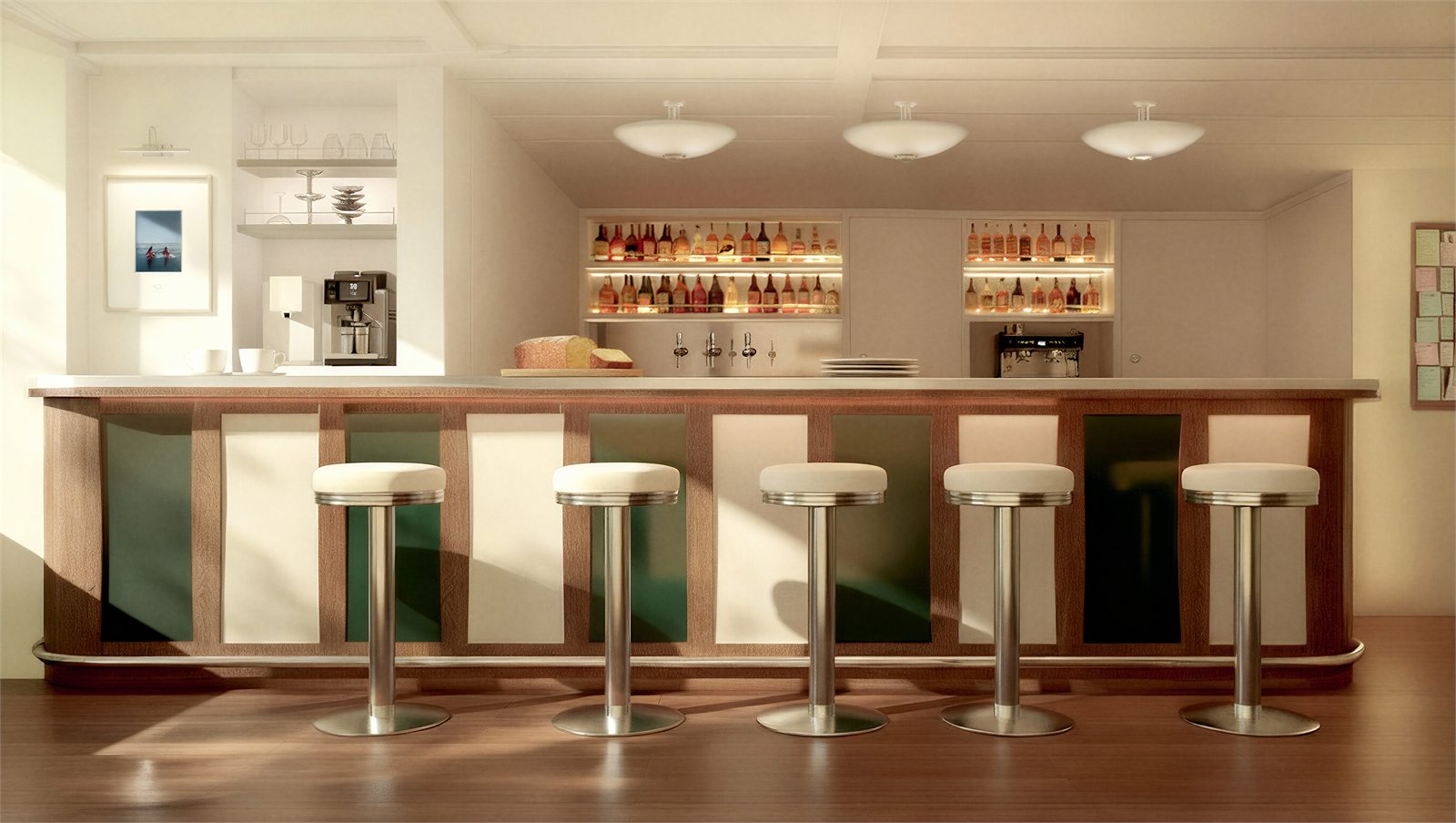
Vinyl mood, and the bar
Records in the lounge and a living library where guests leave a note inside the books that moved them. The bar is the social centre of the ship.

The chef's table
No menu and no individual ordering. The chefs cook outside the galley through the voyage, in Nordic traditions and unexpected places.
The Fare
What the charter covers.
Included
- Nine nights aboard Captain Arctic in your chosen cabin category.
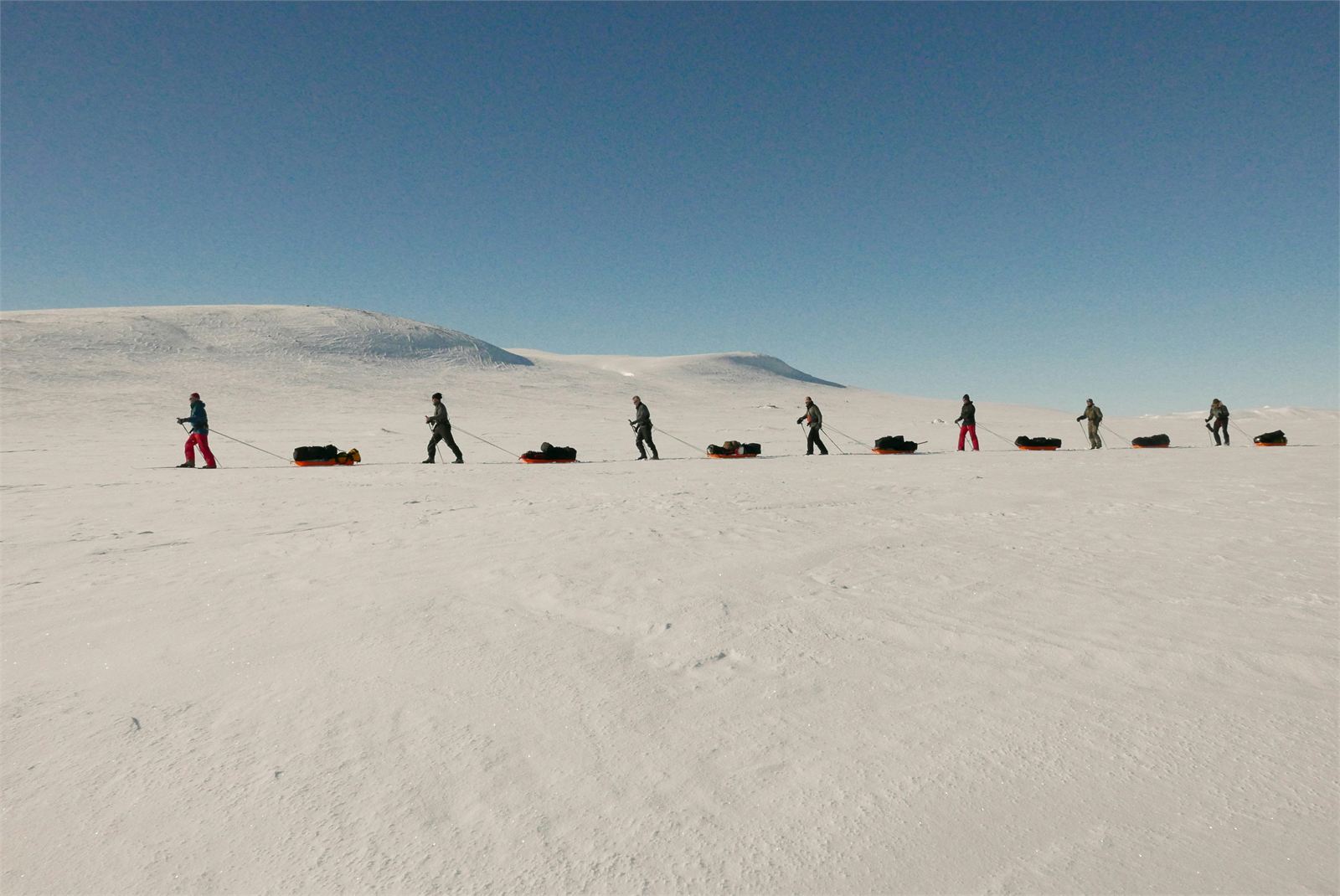
- Daily guided activities, ashore and on the water — Zodiac cruising, snowshoeing, hiking, kayaking, stand-up paddle, fishing, sauna and more.
- All meals on board, three a day, prepared at the chef's table with no individual ordering.
- Wine, beer and soft drinks with meals, and hot drinks around the clock.
- Group airport transfers in Longyearbyen.
- The full expedition team, plus Unwild Planet guides travelling with the charter.
- The expedition mudroom, with individual lockers and drying facilities.
Adventure equipment
- Nordic skis and pulka sledges.
- Zodiacs, biofuelled.
- Kayaks and stand-up paddleboards.
- Snowshoes and trekking poles.
- Fishing rods.
All of it carried on board and included in the fare. Nothing here is a paid add-on, and nothing needs booking in advance.
Not included
- International flights to Norway.
- Domestic flights between Norway and Svalbard.
- Special wines and premium spirits, available on board at extra cost.
- Laundry service on board.
- Travel insurance, which is mandatory here and must include polar emergency evacuation.
- Anything not specifically listed under inclusions.
Two departures are currently held: 19 to 28 April 2027 and 10 to 19 April 2028, each with thirty-six places. Fares vary by cabin category and departure. I book the flights to Norway and on to Longyearbyen separately, along with the buffer night that protects them. Tell me your dates and party size and I will confirm live availability and the current fare in writing.
Before & After
Two extensions built around this charter.
You are flying a very long way for ten days. Two extensions are already built and dated to dovetail exactly with this sailing — the first ends with your transfer to the harbour, the second begins the morning after you disembark. Both are sample itineraries rather than fixed packages: every element is customisable, and every one can be built up into something considerably more bespoke.
Svalbard Winter · 3 nights before
Longyearbyen from the land side, at the Radisson Blu Polar Hotel Spitsbergen. An electric snowmobile safari through Adventdalen, quiet enough to keep the reindeer and Arctic foxes in view. A coal mine you go inside. An ice cave under the glacier. Dogsledding if you want it, and a wilderness dinner. It ends with a private transfer to the harbour, so the buffer that protects the ship is built into the trip rather than bolted on.
16–19 April 2027, straight into embarkation day. From €2,800 per couple. See the day-by-day →The Beauty of Fjord Norway · 4 nights after
Fly south and land somewhere green. A night at the Grand Hotel Oslo with private sightseeing, then three at Opus XVI in Bergen — the Hardangerfjord waterfalls with lunch at a fruit farm, the Flåm Railway, a private RIB safari into the Nærøyfjord, and a guided Viking village. Going from sea ice to a fjord in bloom inside forty-eight hours is the best decompression this trip offers.
29 April – 3 May 2027, from the morning after you disembark. From €14,500 per couple. See the day-by-day →Or something else entirely
Tromsø for the Arctic Cathedral and the cable car, more time in Oslo for the Fram and Munch museums, or a private itinerary designed from scratch around what you actually want. Tell me how the days either side should feel and I will build them.
All three extensions →Good To Know
Two things worth understanding before you book.
Connectivity, and the lack of it
Wi-Fi on board is deliberately limited. Disconnection is treated as part of the experience rather than a shortcoming — the point is to be present in the landscape and with the people you are travelling alongside.
Internet access sits in one secluded area of the ship, which keeps the common spaces off the grid entirely. Guests are encouraged to send a short daily message home through the crew instead.
Level and accessibility
This expedition is open to all levels and physical conditions. Activities are adapted to varying abilities, and you choose how much of each day you take on — there is no expectation that everyone does everything.
One caveat worth stating plainly: some activities, the polar plunge in particular, are not suitable for guests with heart conditions. Tell me about any medical considerations early and I will raise them with the operator before you commit.
The Archipelago
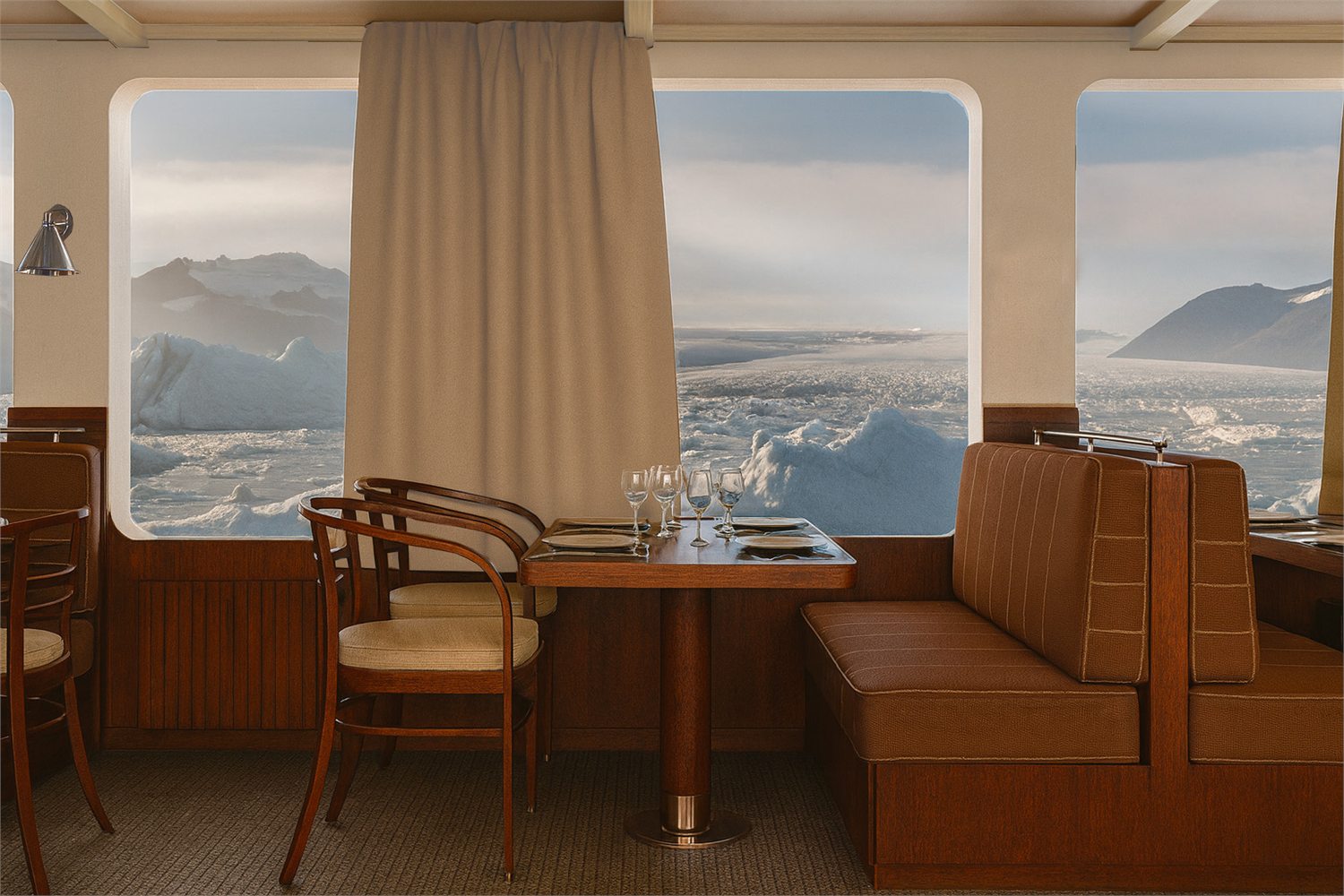
What ten days in the Arctic spring look like.
Booking This Voyage
Thirty-six places, and a ship nobody has sailed yet.
Unwild Planet has chartered Captain Arctic for her maiden Arctic season. That is genuinely rare inventory, and there is no larger allocation sitting behind it — thirty-six places per departure, and two departures held.
Cabin strategy. Two Superior Doubles on the upper deck with a picture window, sixteen Standard Doubles below with portholes. On a ten-day April voyage the window matters more than it would in summer, and I will tell you honestly whether the step up is worth it for how you actually travel.
The flights, properly. Neither the international flight to Norway nor the domestic leg on to Svalbard is in the fare, and Longyearbyen's airport closes in weather without much warning. I book both, build in the buffer night that protects the ship, sequence the legs so a delay costs you a hotel rather than the voyage, and tell you honestly which long-haul segment is worth flying flat.
Norway, either side. Tromsø, Oslo, or a night in Longyearbyen better than the standard allocation — booked through my partner programmes that typically add room credit, an upgrade at check-in subject to availability, and breakfast, at the same rate you would pay yourself.
And then I stay reachable. Before you go, while you are away, and if something goes sideways in an Oslo transit lounge at 2am.