Unwild Planet · Curated by Parth
Antarctica's Great Whale Migration
Eleven days aboard the Sylvia Earle, timed for the one month when the whales own the Peninsula.
Curator's Statement
Everyone sails in January. The whales arrive in March.
There is a version of Antarctica sold on brochures, and it is almost always December or January — long light, penguin chicks, and a great many ships in the same channels. It is a wonderful trip. It is not this one.
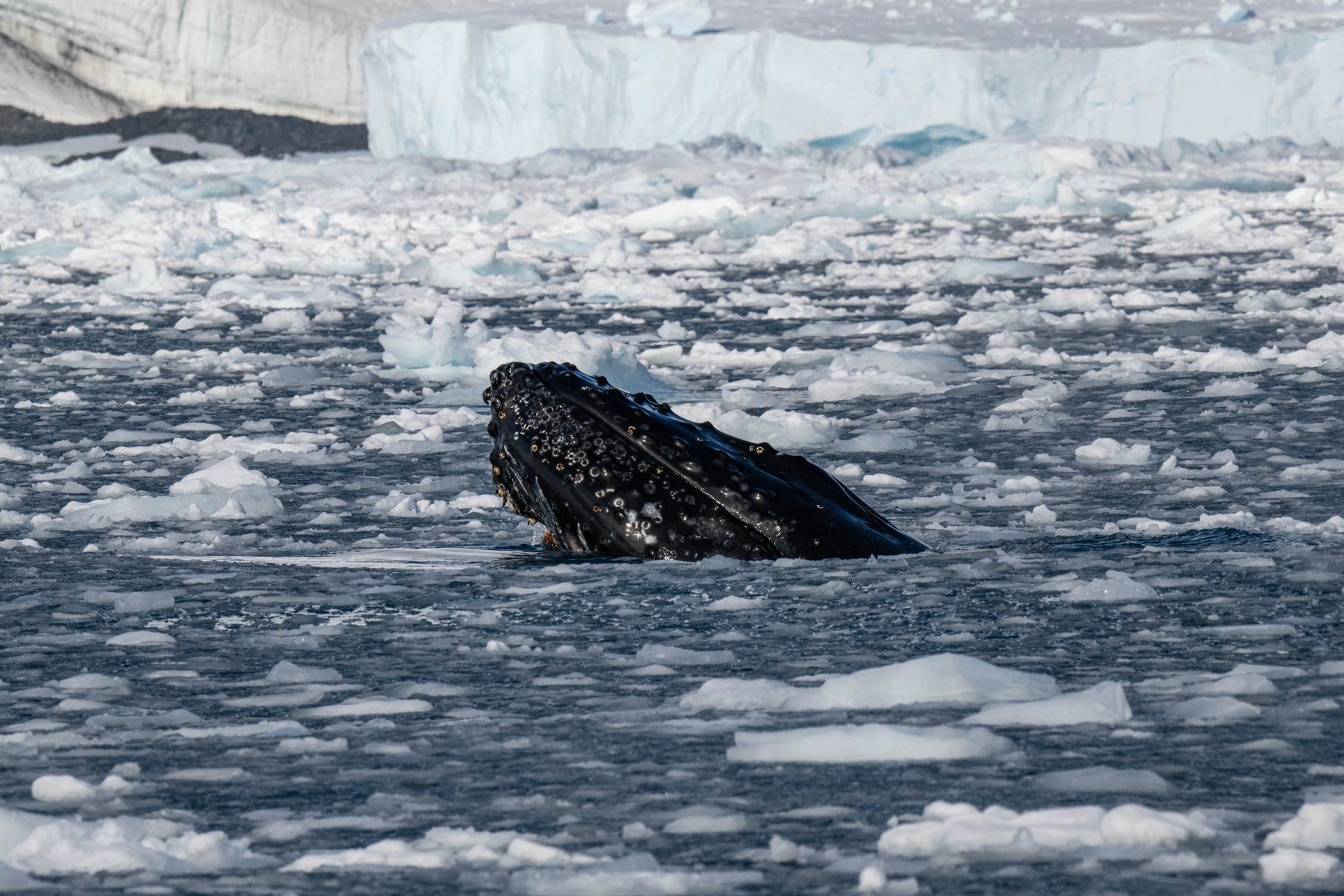
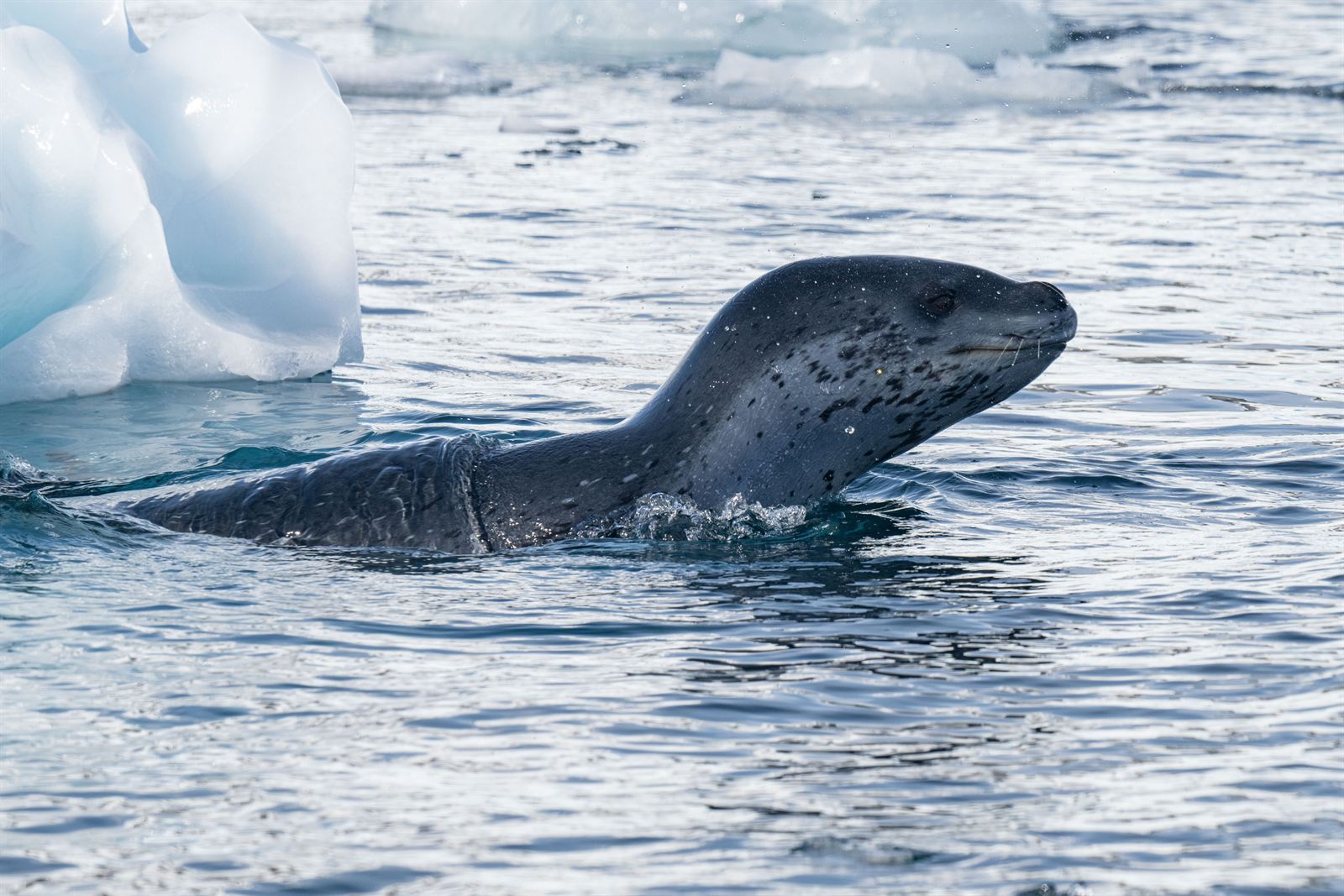
This voyage goes late, on purpose. By March the sea ice has pulled back, the summer's krill bloom has reached its densest, and the great baleen whales that have been feeding their way south all season are concentrated in the sheltered bays of the Antarctic Peninsula, gorging before the long migration north. Humpbacks work in pairs beneath the glacier faces. Minkes surface so close to the Zodiac that you hear the breath before you see the animal. Orcas move through the channels in family groups, and nobody on board pretends to be calm about it.
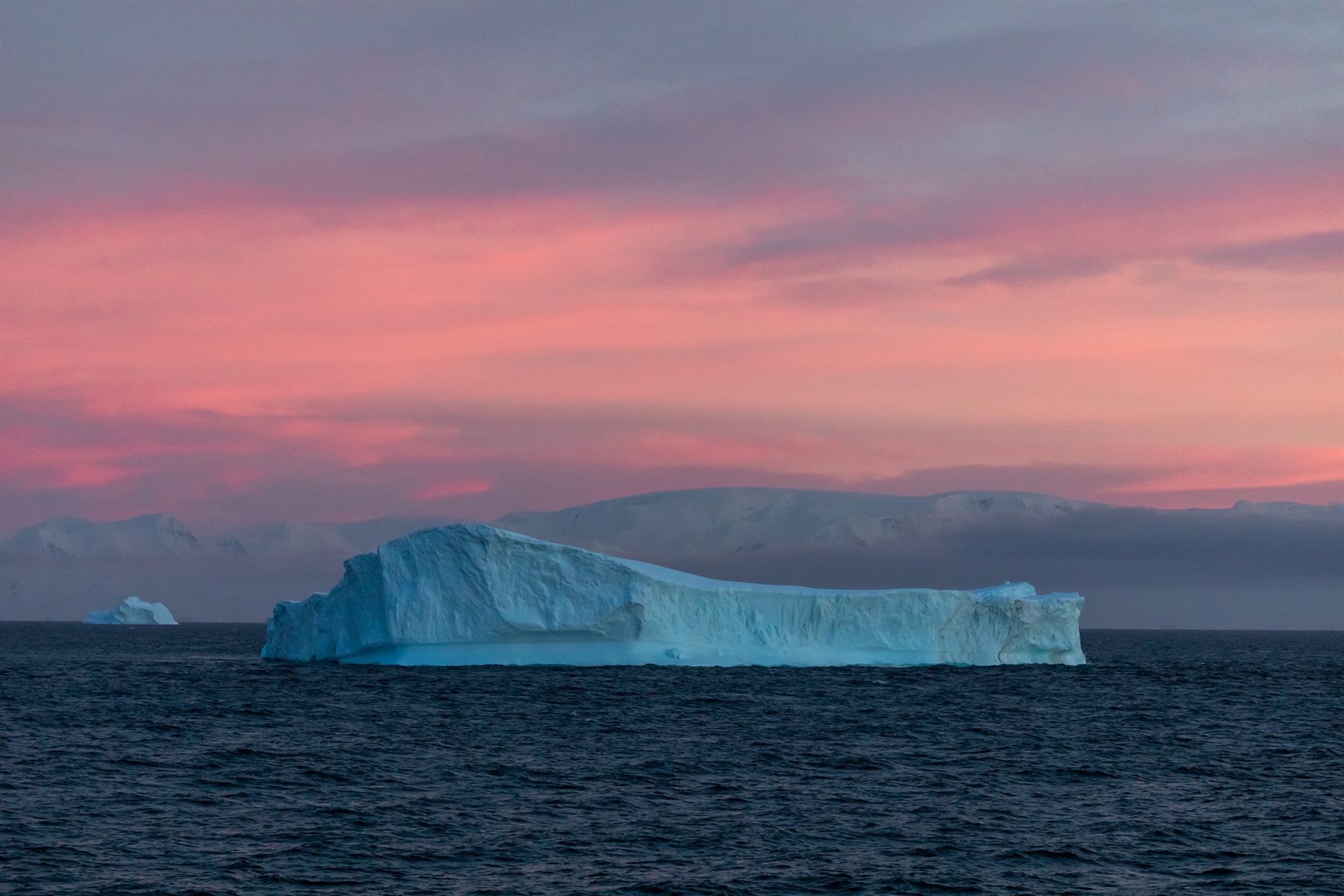
The light changes too. The midnight sun softens into real sunsets — the pink, hour-long kind that photographers plan whole years around — and the last of the season's ships have turned for home. You get the continent quieter, warmer in colour, and at its most alive all at once.
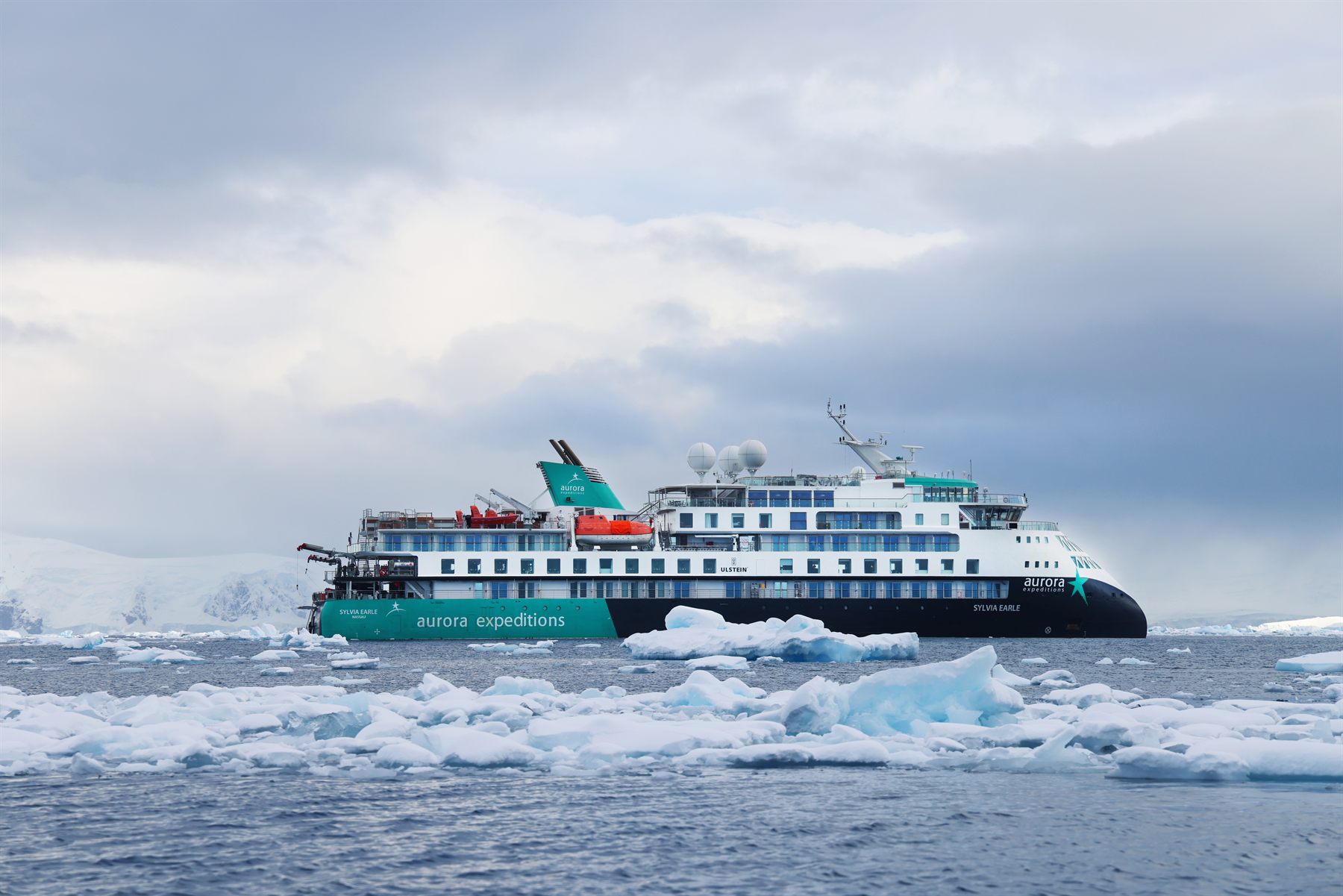
The expedition is Unwild Planet's, run aboard the Sylvia Earle: a 2022-built, 130-guest polar vessel with an Ulstein X-BOW, a heated pool and sauna, and a glass atrium lounge in the bow you will not want to leave during the Drake. I arrange the cabin, the flights, the nights either side and the small things nobody thinks about until they matter — and it costs you nothing beyond the fare.
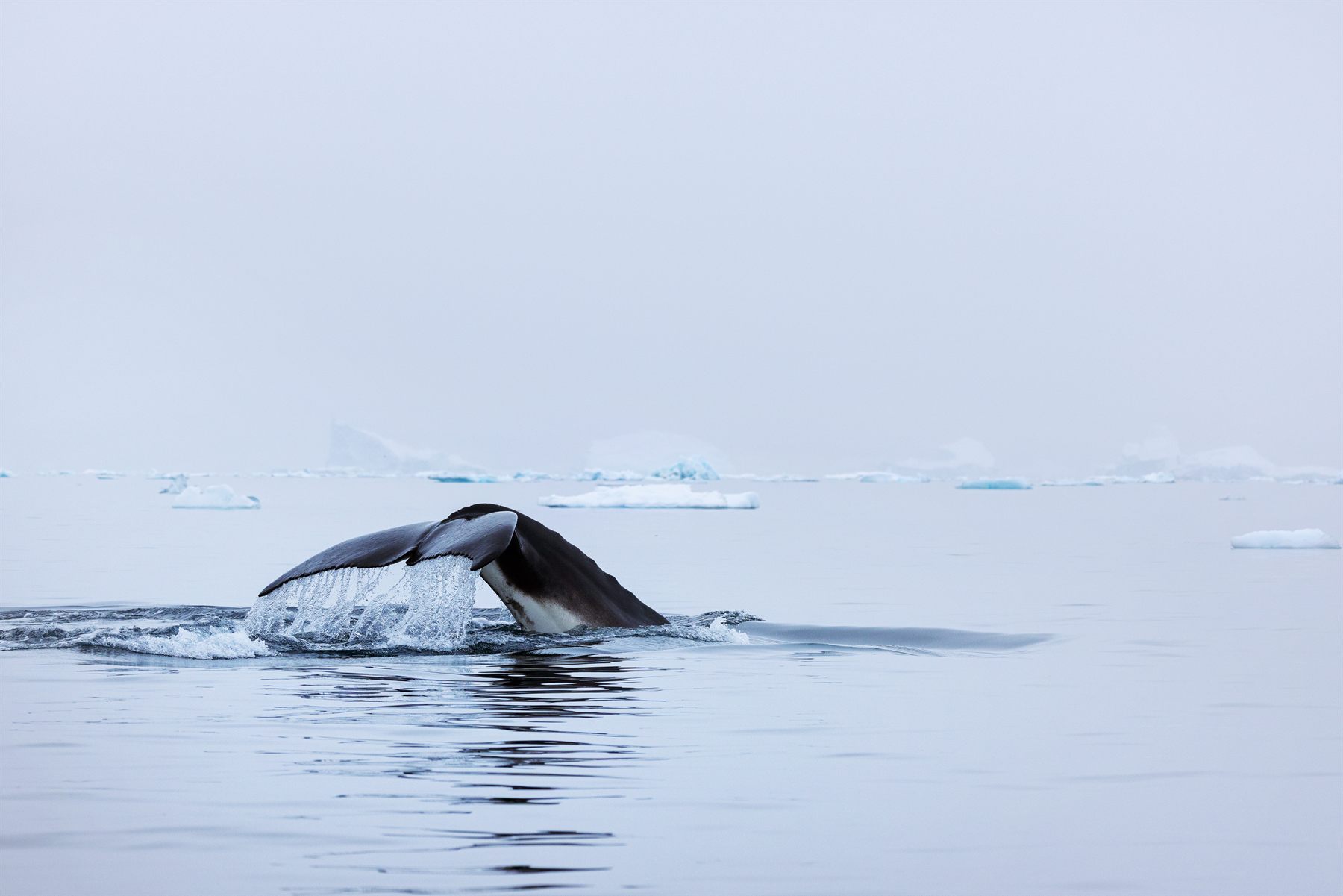
Ice you can hear. Whales you can smell. Silence you can feel in your chest.
The Antarctic Peninsula · MarchThe Voyage, Day by Day
Eleven days, and only two of them scheduled.
Day 1 · Ushuaia
Arrive at the end of the world
You fly into Ushuaia, the southernmost city in the world, wedged between the Martial range and the Beagle Channel. Your pre-expedition hotel night is included in the voyage, and the afternoon is yours: the Tierra del Fuego national park is forty minutes away, the king crab is genuinely worth ordering, and the light on the channel at ten in the evening is a preview of what is coming.
Day 2 · Embarkation
Aboard, and south into the Beagle
You board in the afternoon, find your cabin, and meet the expedition team — naturalists, marine biologists, ornithologists and polar guides, most of whom have spent more seasons down here than they will admit to at dinner. Boots and parka are issued in the mudroom, the safety drill is done, and the ship slips out through the Beagle Channel with the mountains closing behind you.
Dinner is open seating, the bar is open, and by the time the last light goes you are already in the Southern Ocean.
Days 3–4 · The Drake Passage
Two days of the most famous water on earth
The Drake has a reputation, and the Sylvia Earle was built to blunt it: the inverted Ulstein X-BOW slices into a swell rather than slamming over it, which turns the crossing from an ordeal into a long, rolling passage you can read through. This is when the ship earns its keep — lectures on whale biology and ice, photography workshops, the library, the sauna, the glass atrium lounge in the bow with the ocean filling the windows.
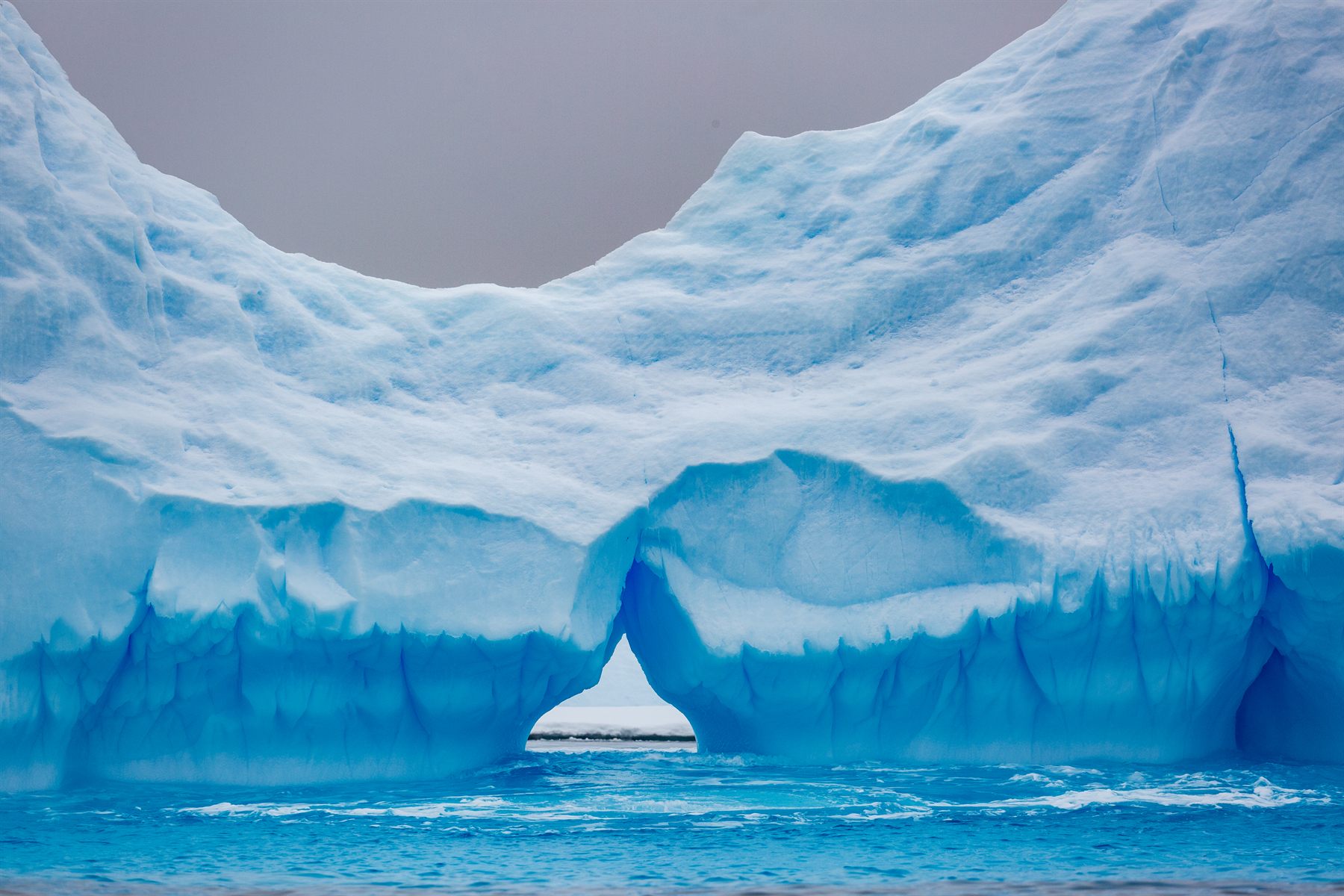
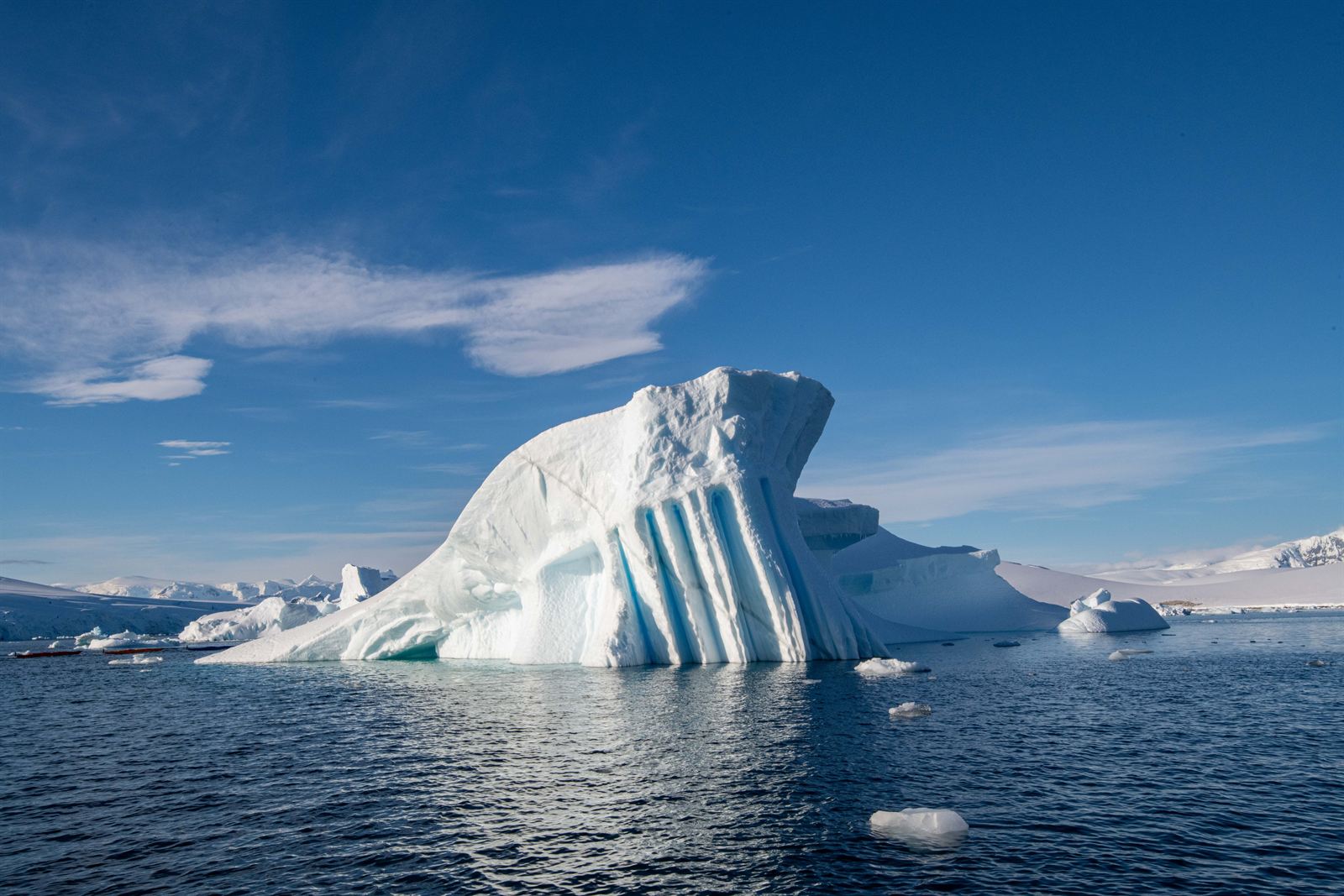
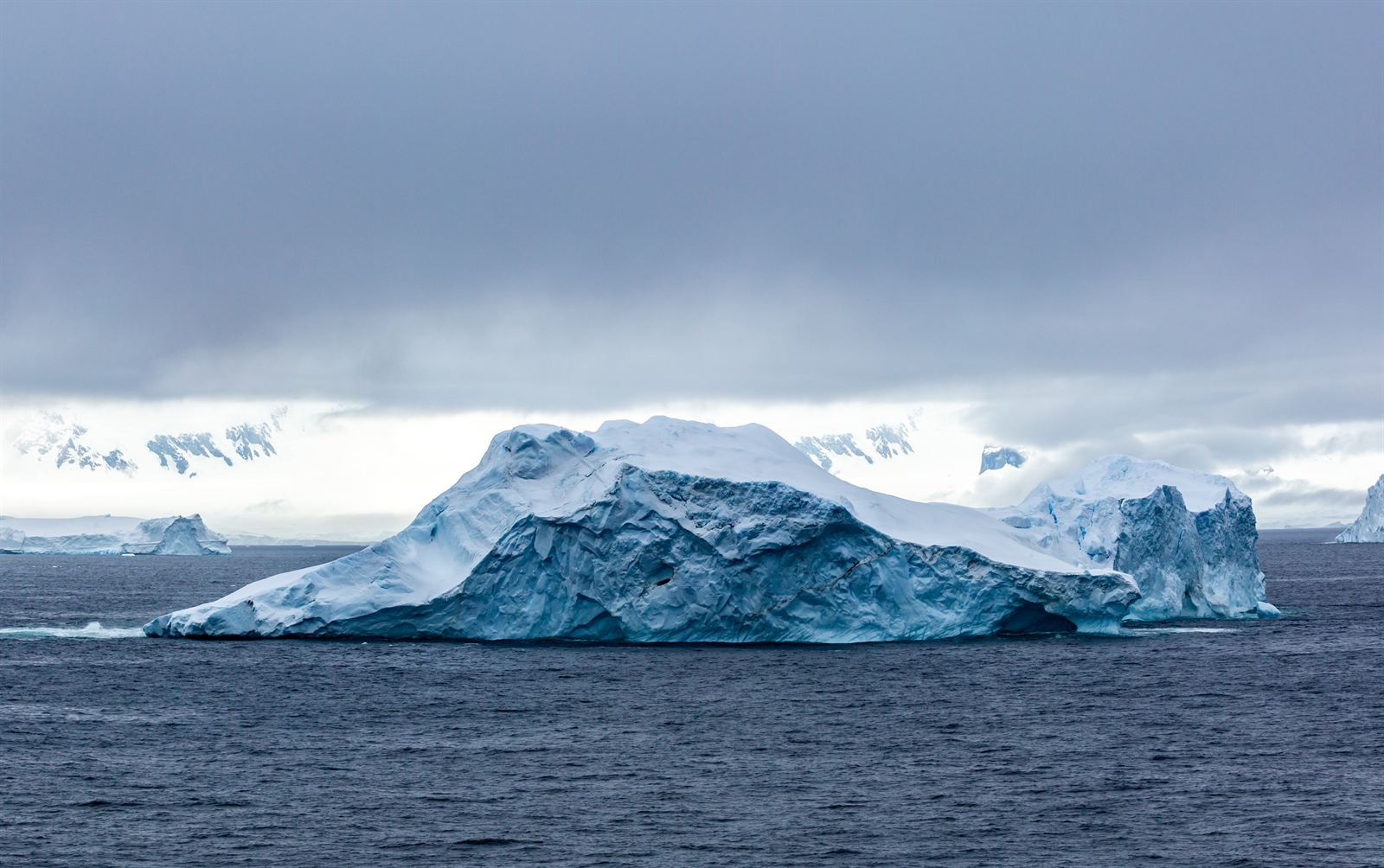
Spend time on deck regardless of the weather. Wandering and black-browed albatross ride the ship's air for hours, giant petrels and cape petrels work the wake, and somewhere around the Antarctic Convergence the water temperature drops, the air sharpens, and the first iceberg appears on the horizon like a rumour.
Days 5–8 · The Antarctic Peninsula
Four days with no fixed itinerary — and that is the point
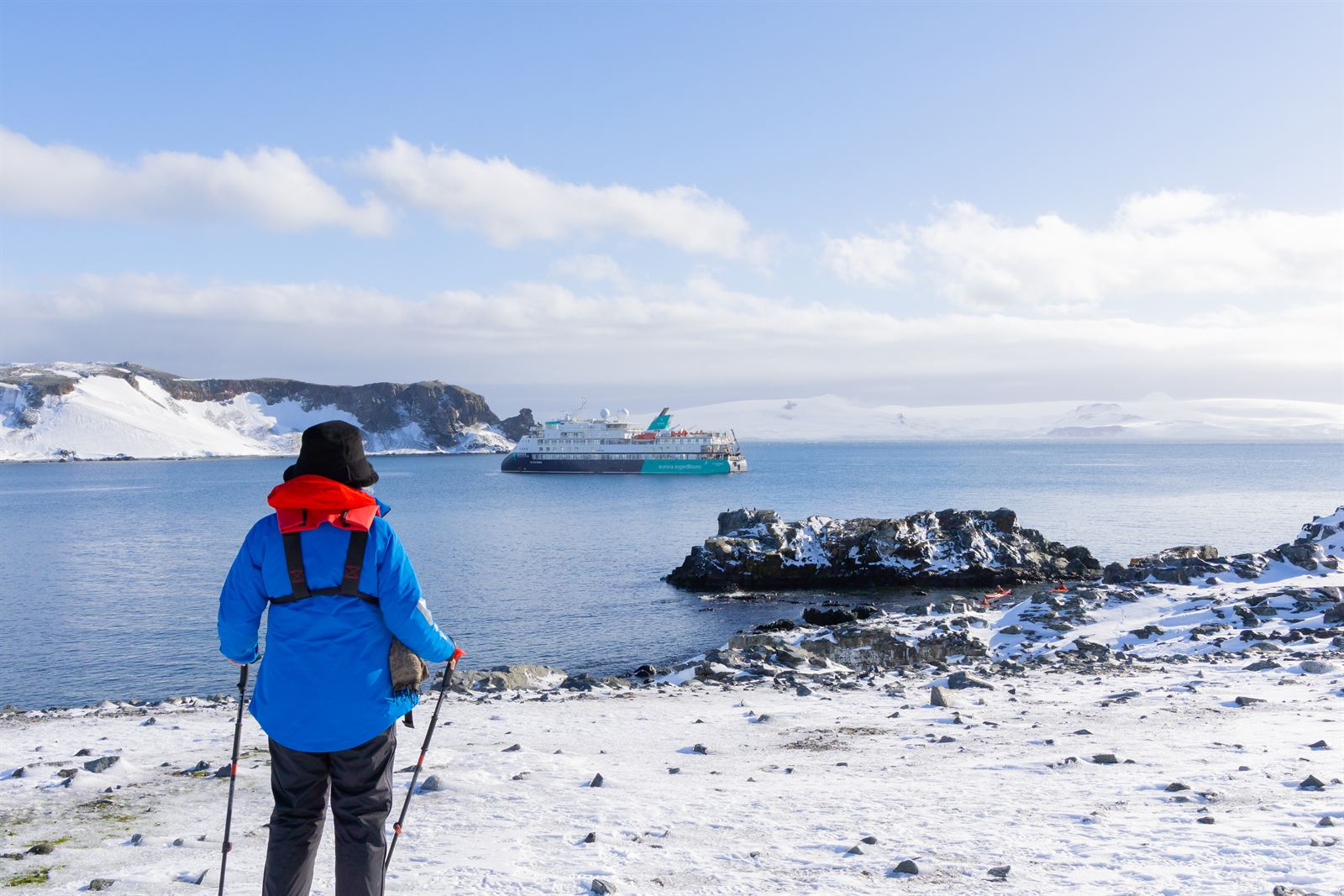
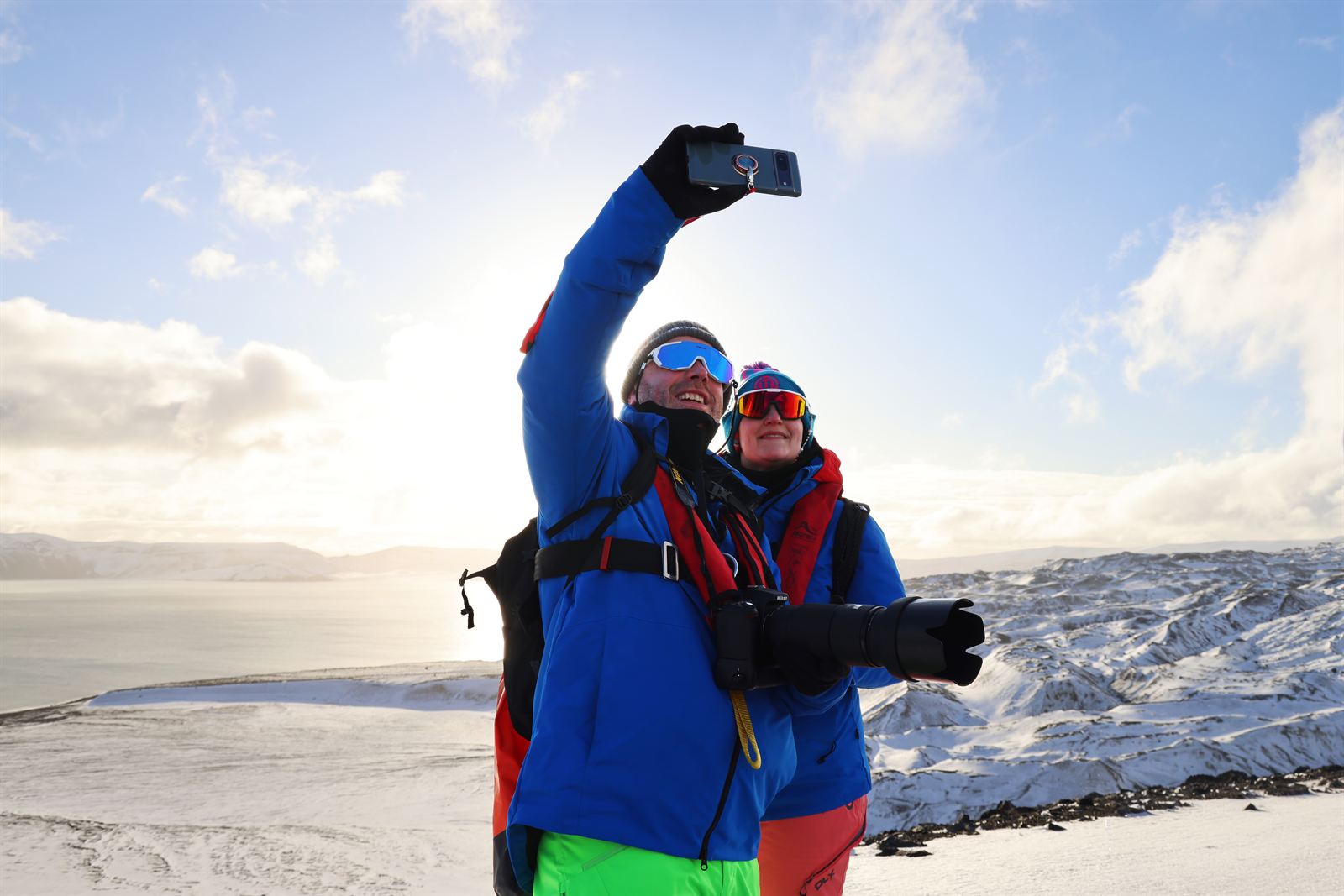
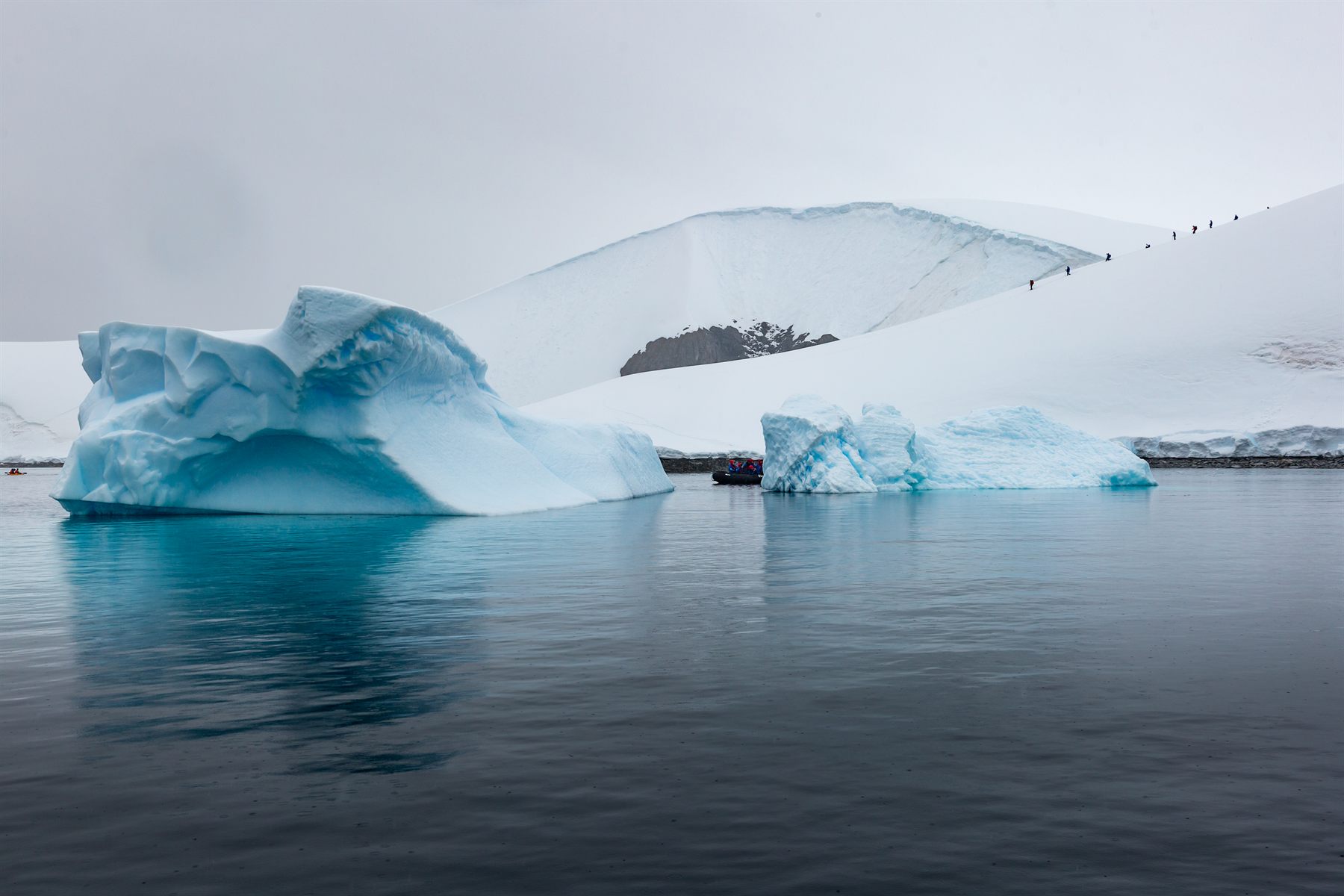
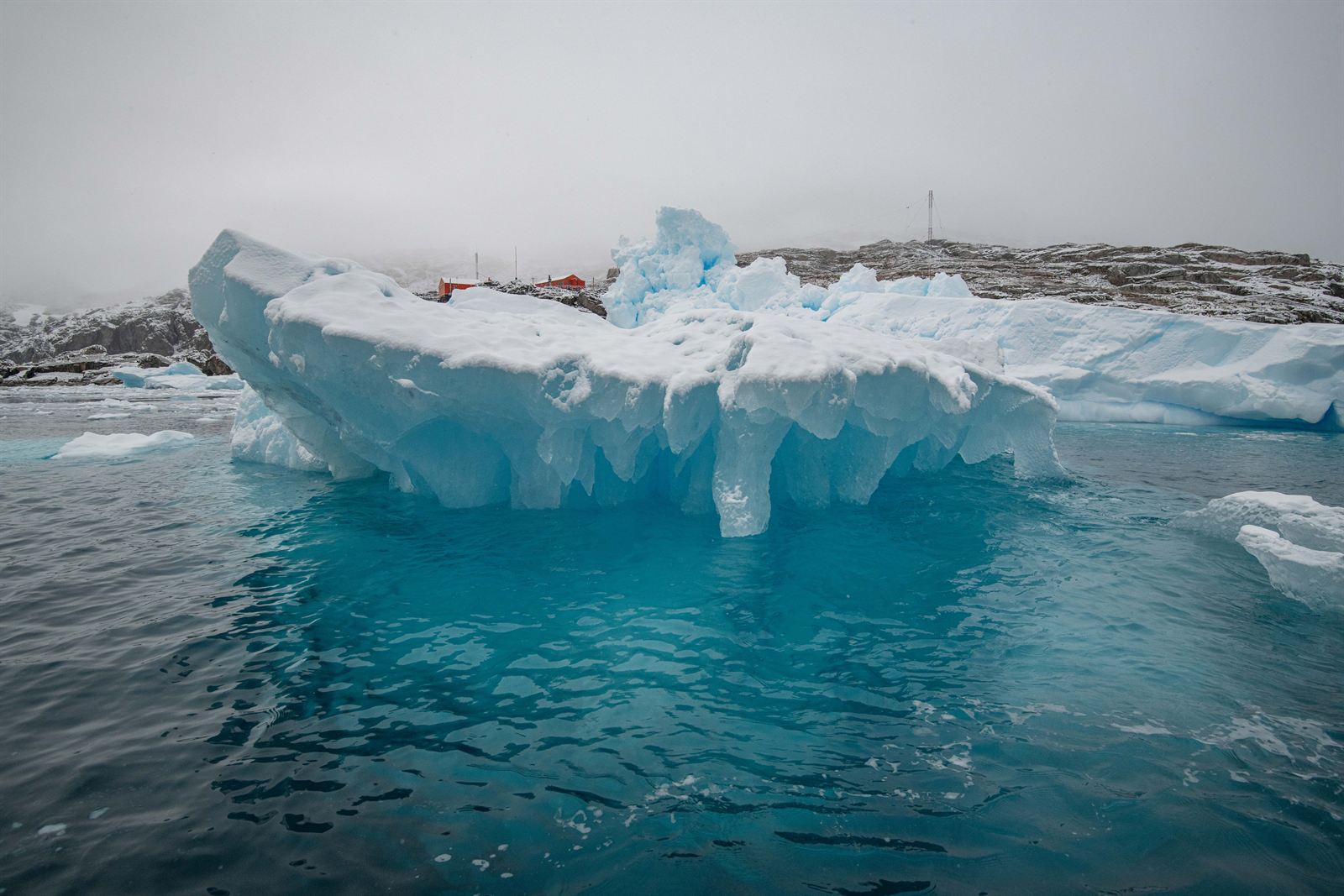
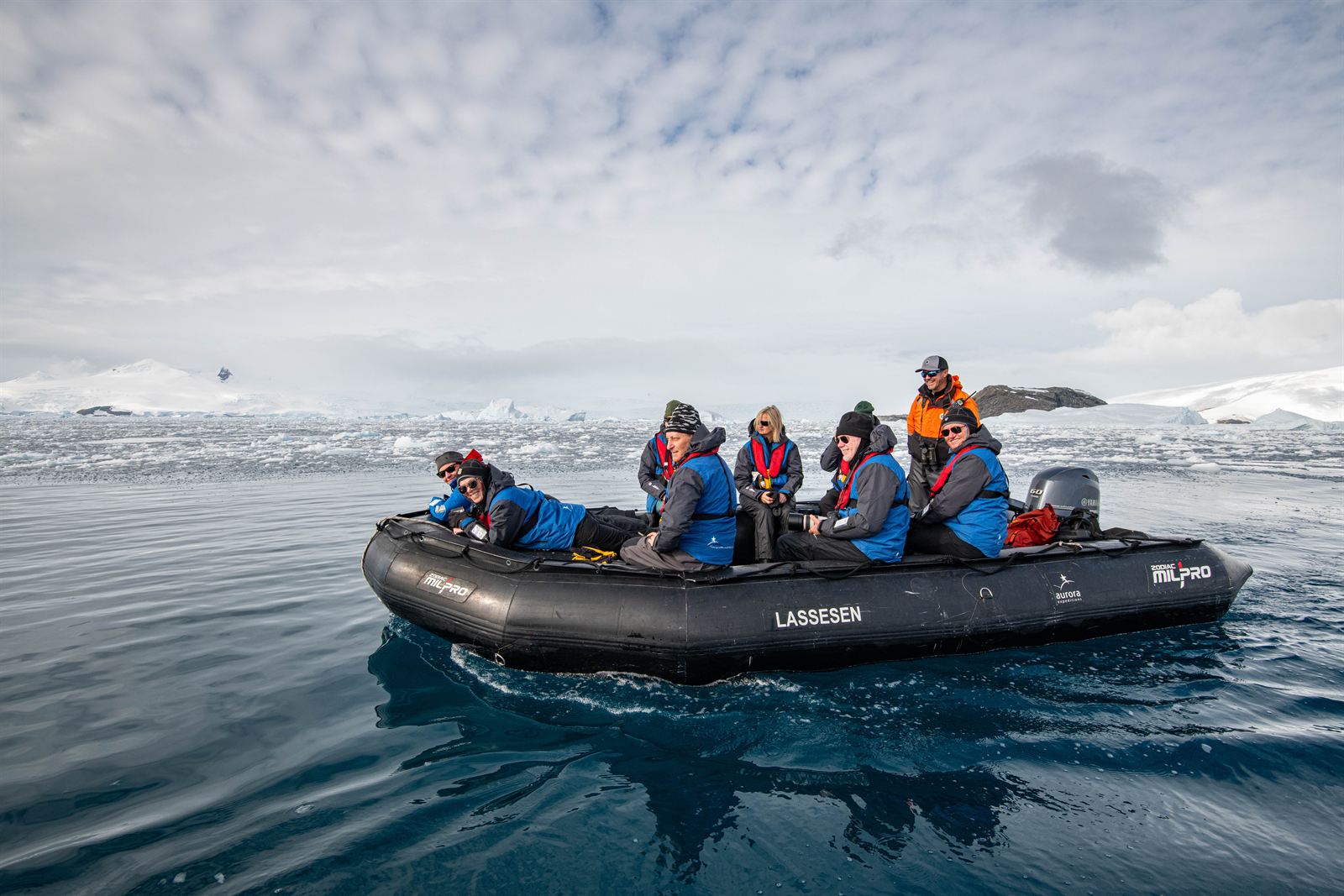
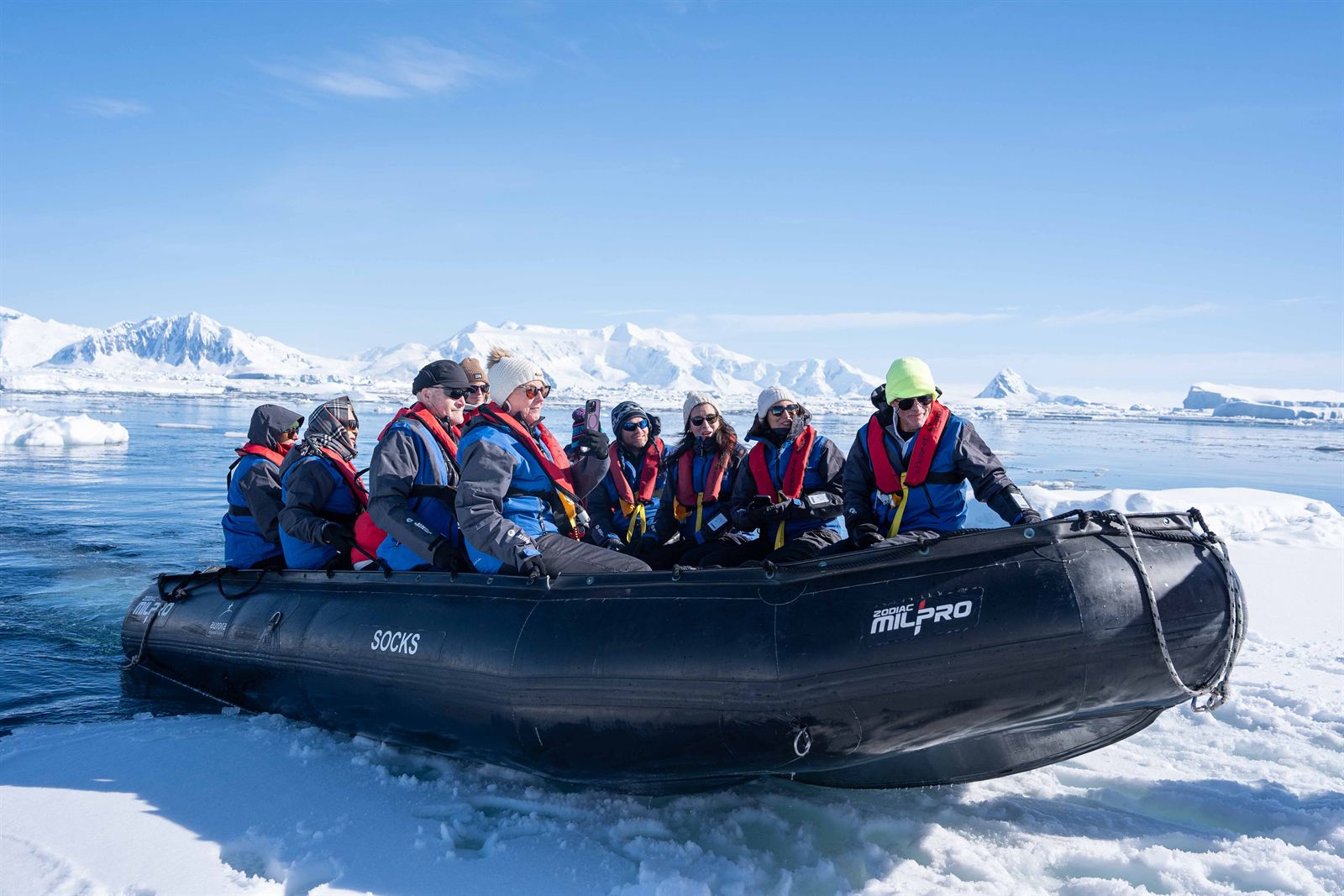
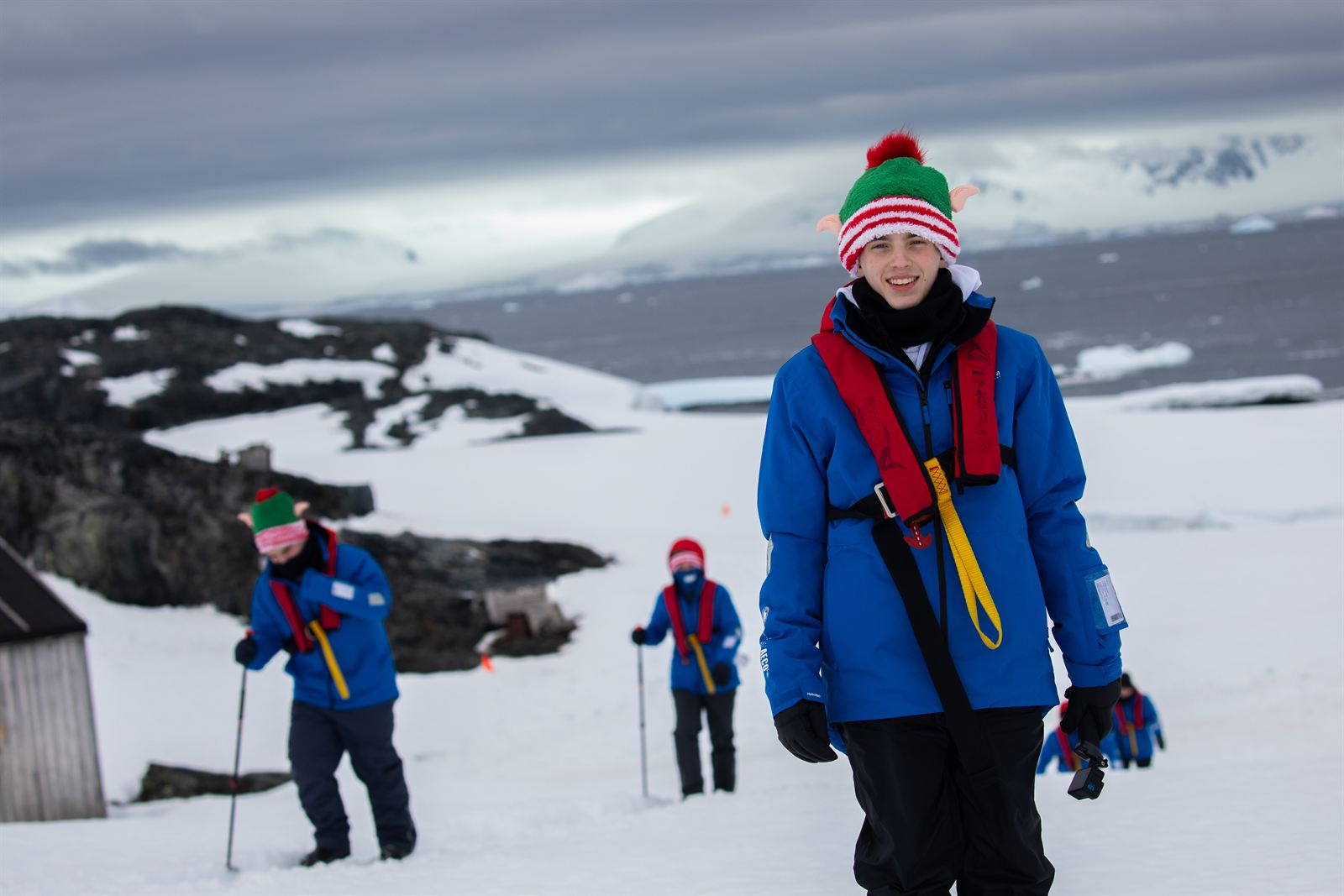
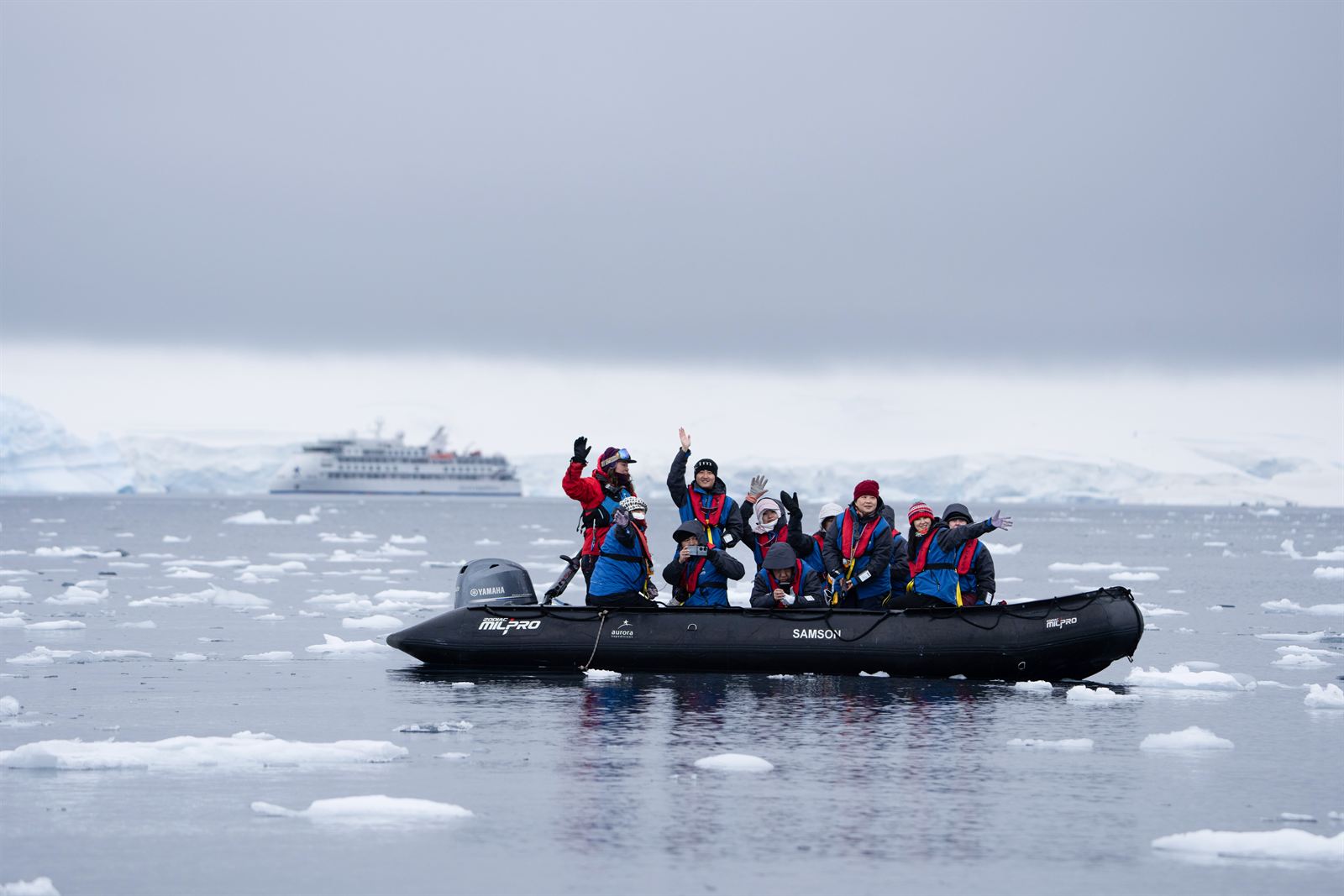
There is no printed schedule for these days, because ice and weather write it each morning and the expedition leader reads it back to you at breakfast. What is fixed is the rhythm: two outings a day, every day, for four days. Zodiac cruises among the bergs, landings on beaches and headlands, and long stretches of ship-cruising through channels where the mountains come straight out of the water.
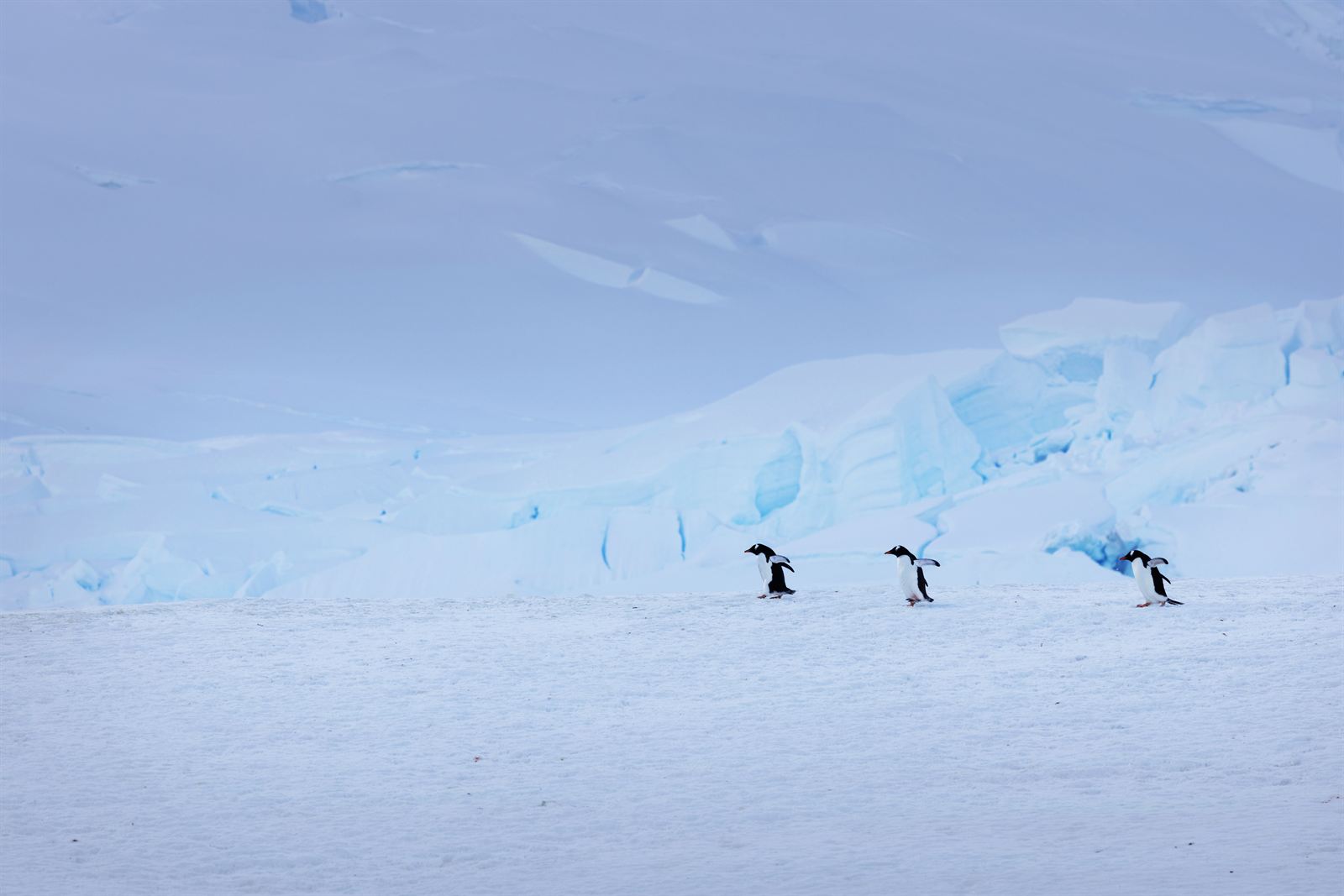
The Peninsula's classic waters are all in play when conditions allow — the ice-choked amphitheatre of Cierva Cove, the glacier faces of Paradise Bay, the penguin colonies of the Yalour Islands, the historic huts at Detaille Island and Portal Point, and the flooded volcanic caldera of Deception Island. Every one of them is subject to the day, and the best ones are usually unplanned.
Days 9–10 · Northbound
The Drake again, and the part nobody expects to love
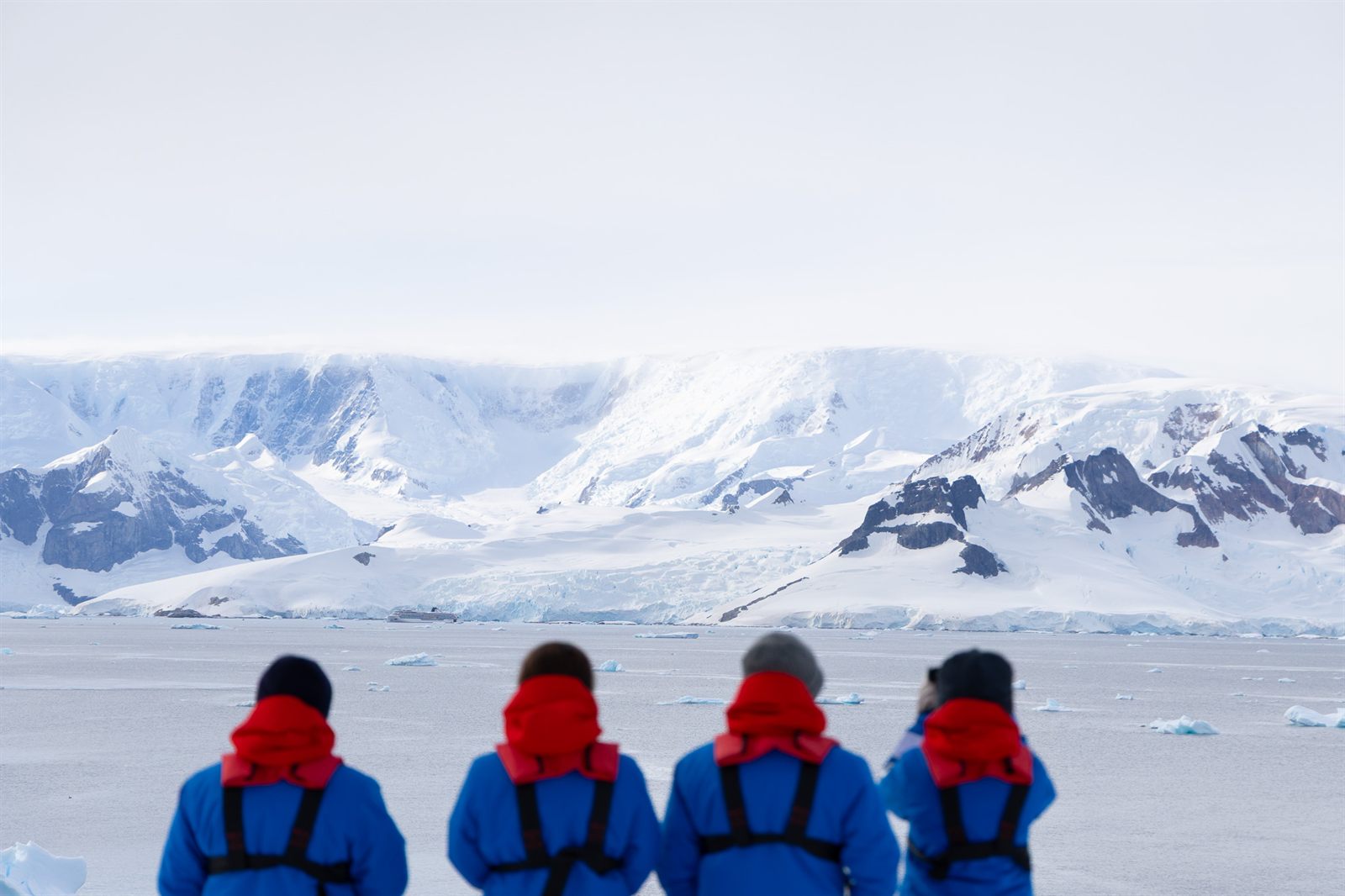
You turn north with the continent astern and two days of open water ahead. In practice this is the most sociable stretch of the voyage: the expedition team's closing lectures, the photographers' image review, the citizen science results from the voyage, and a great deal of standing at the bar working out how soon you can come back.
Keep watching the water. Fin whales are regularly logged in the Drake in the second half of the season, and the seabird escort stays with the ship almost the whole way.
Day 11 · Disembarkation
Back up the Beagle Channel
The ship comes up the Beagle Channel at first light with Chile off one side and Argentina off the other, and you disembark in Ushuaia after breakfast. Onward flights are usually mid-morning or later; I hold your connections loose enough that the last morning does not feel like an evacuation.
The Ship
Sylvia Earle
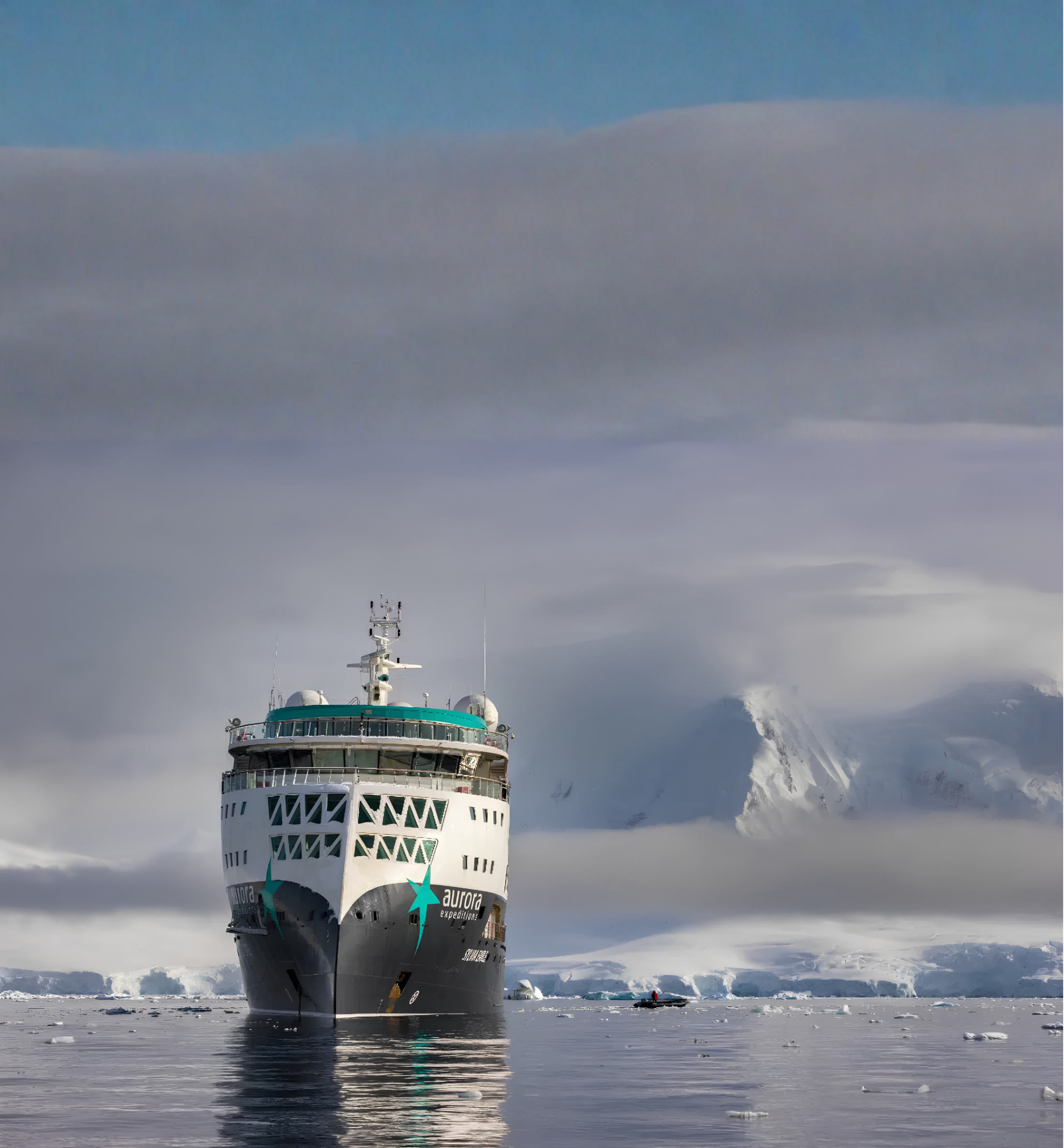
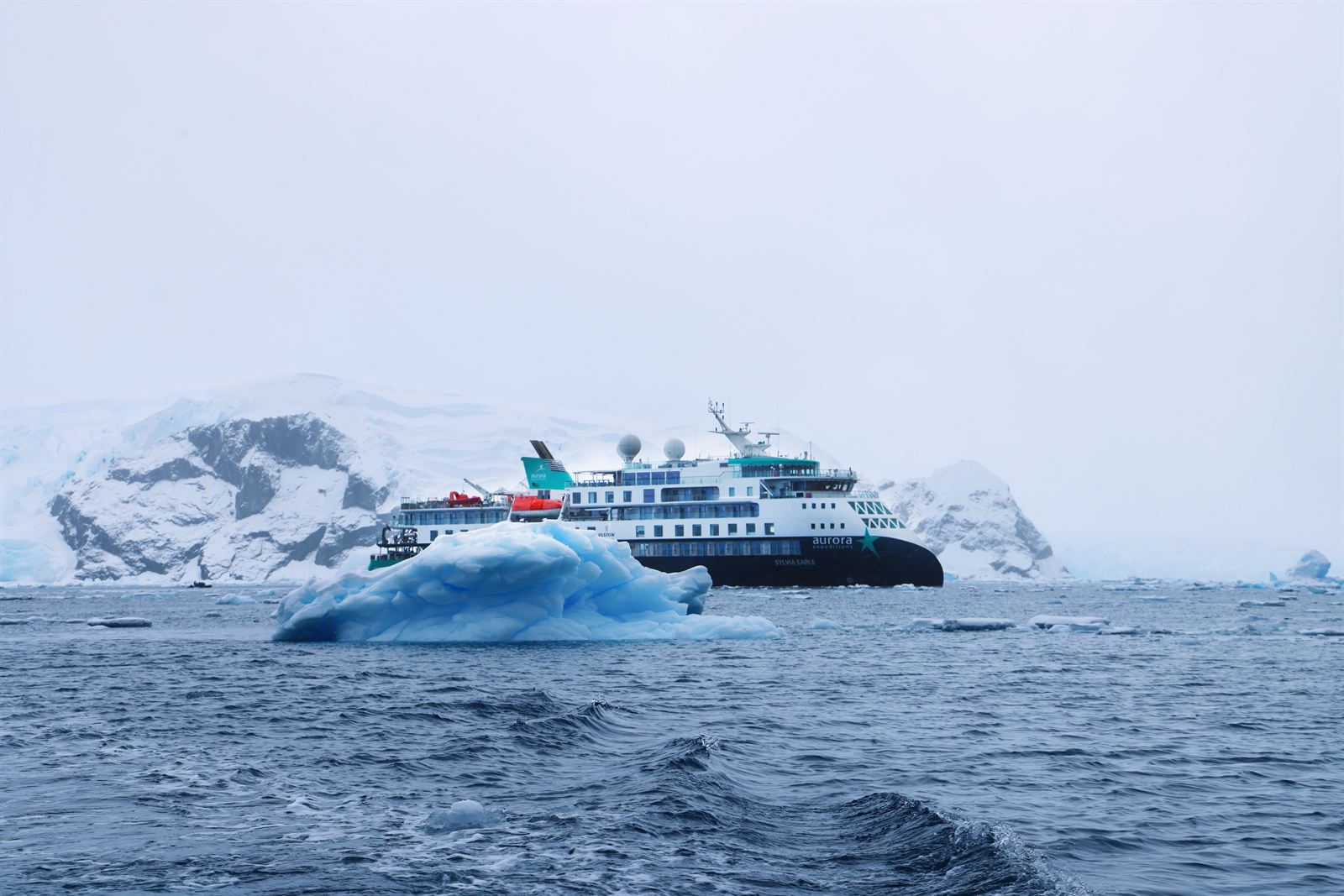
Named for the marine biologist who has spent a lifetime arguing for the ocean, the Sylvia Earle entered service in 2022 as a purpose-built polar expedition vessel — not a converted cruise ship, and not a research vessel with cabins added.
The signature is the Ulstein X-BOW: an inverted bow that pierces a swell instead of riding over and crashing down, which makes the Drake Passage measurably more civilised and cuts fuel burn at the same time. Below that sit eight decks, 71 cabins, and a guest count capped at 130 — small enough that everyone lands together rather than waiting a turn ashore.
Fifteen Zodiacs load through four dedicated boarding doors, so an excursion starts in minutes rather than an hour. Between outings there is a heated pool and two jacuzzis, a sauna and gym, a lecture theatre, a dedicated Citizen Science Centre, a library with floor-to-ceiling windows, and an observation lounge on Deck 8 with binoculars set out and coffee going twenty-four hours.
Where I would put you
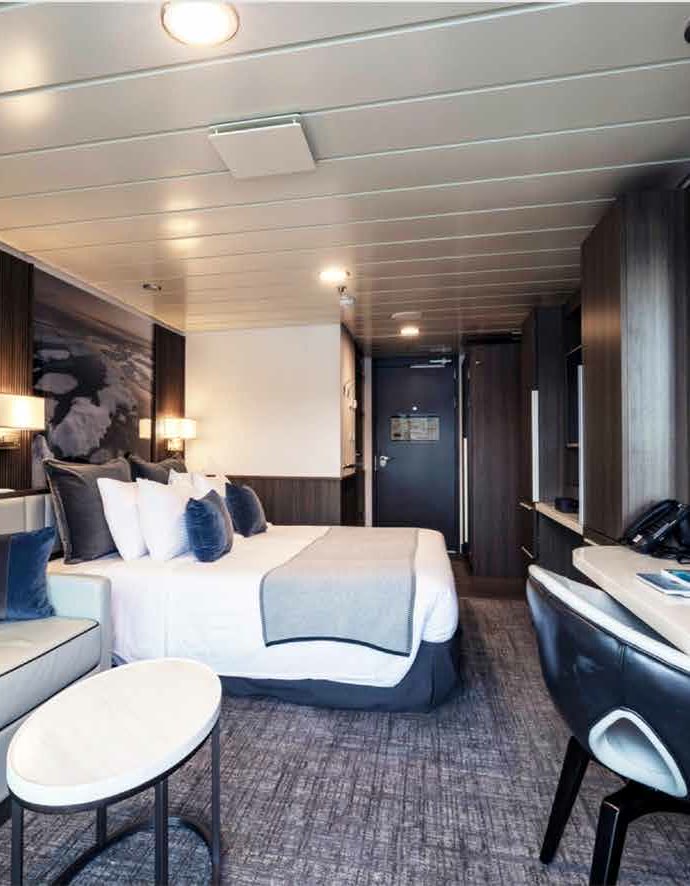
Captain's & Junior Suites
Captain's Suite 40.4 sqm, Deck 4 · Junior Suites 38.8 sqm, Deck 7 · mini bar and crew gratuities included
The top of the range: separate living space, generous private balcony, and the best forward outlook on board. There are very few of them and they are the first thing to go — for a March 2028 sailing, this is a two-years-out conversation, not a six-months-out one.
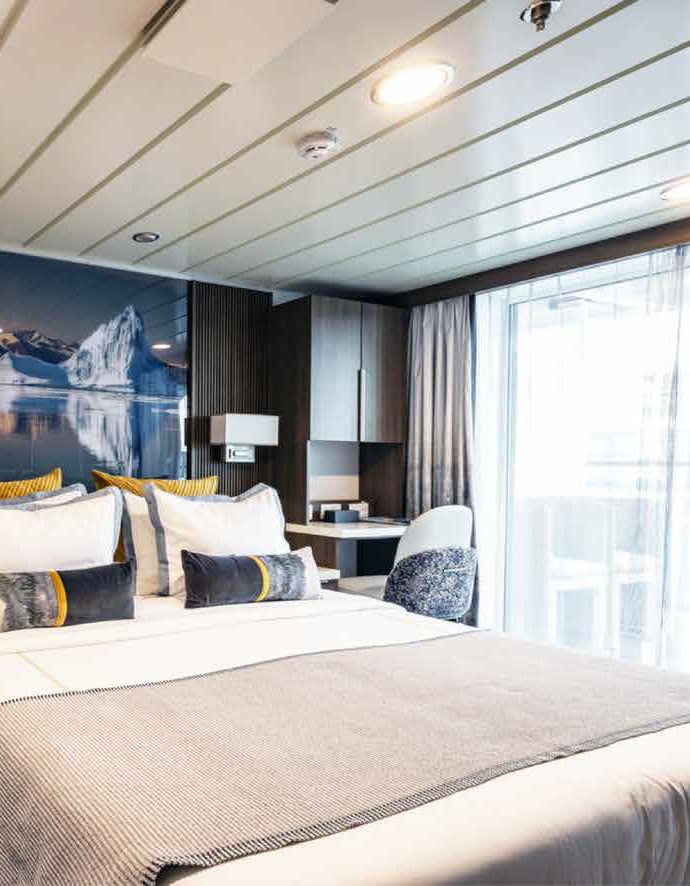
Balcony Staterooms
16.8–31.2 sqm · Decks 4 and 6 · private balcony · wheelchair-accessible cabins in Superior
Categories Superior through C, all with a private balcony. This is the sweet spot on the Sylvia Earle: stepping straight outside in your dressing gown at 5am because something is breathing alongside the hull is the entire argument for a balcony in Antarctica.
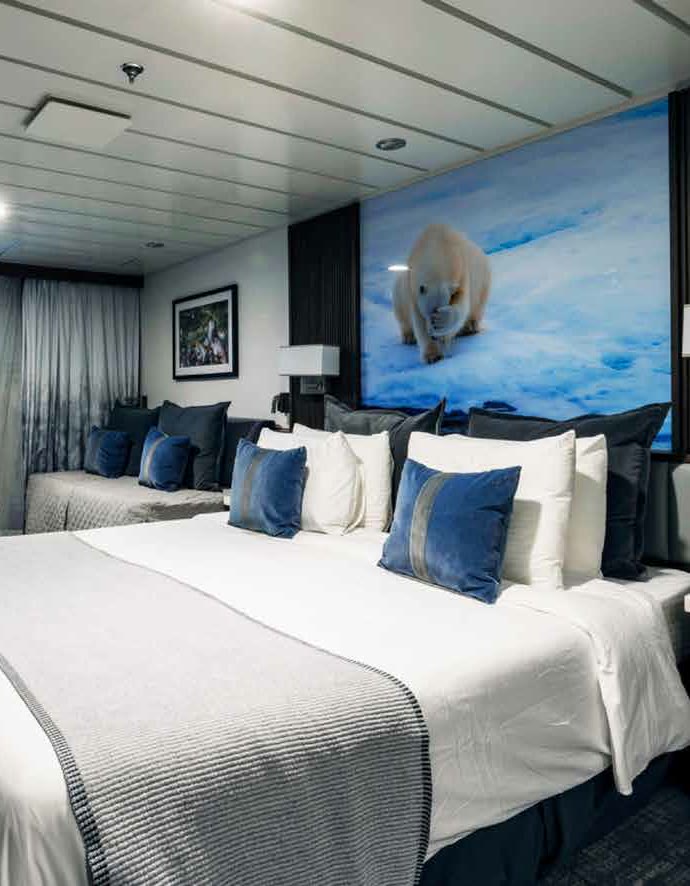
Aurora Staterooms & solo cabins
Aurora Superior 17.1 sqm, Deck 7, balcony · triple share 20 sqm, Deck 3, porthole
Superior and triple-share cabins with picture or porthole windows, plus dedicated single staterooms in three balcony categories — genuinely rare in polar expedition travel, and priced without a punitive supplement.
The deck plan
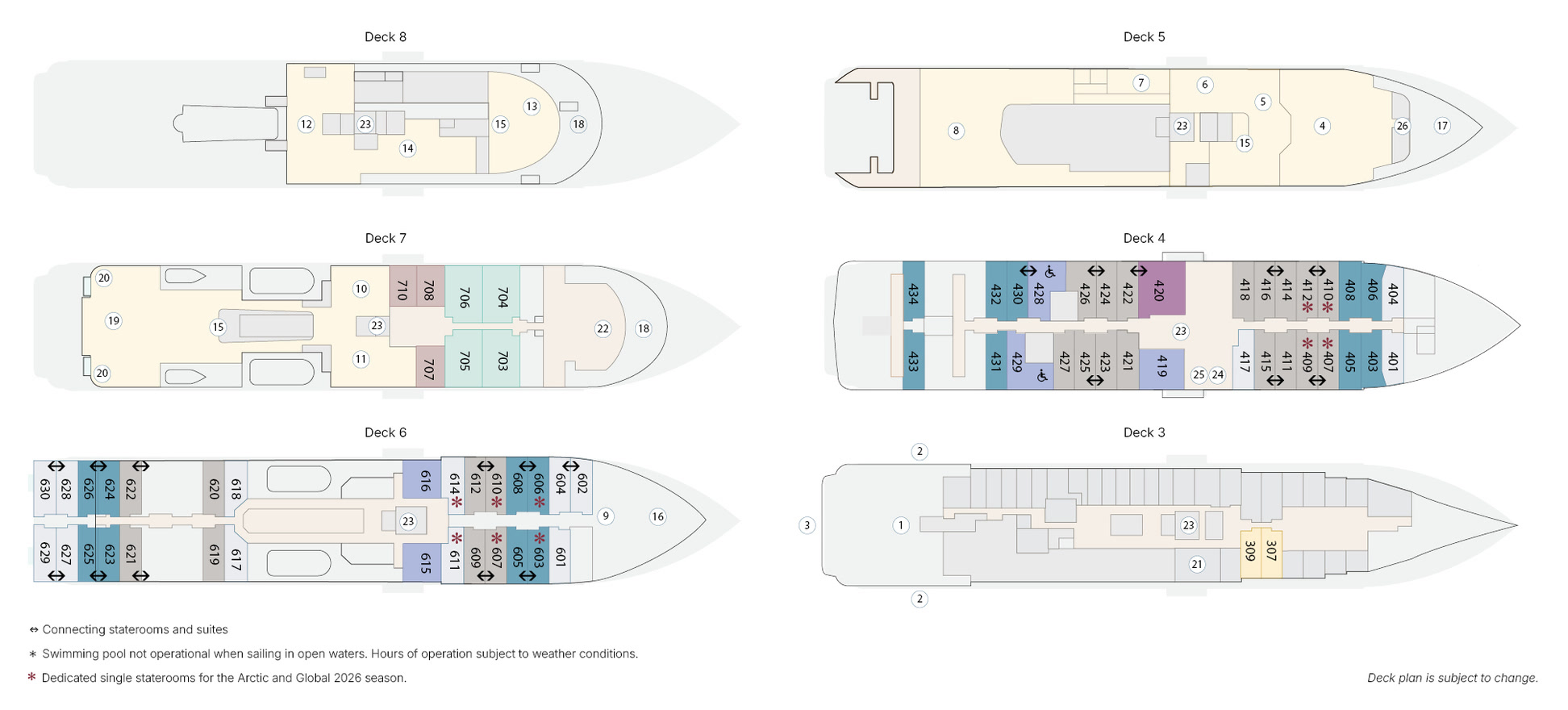
Where the categories sit
- Captain's SuiteDeck 4
- Junior SuitesDeck 7
- Balcony Staterooms, Superior to CDecks 4 and 6
- Aurora Staterooms SuperiorDeck 7
- Aurora triple shareDeck 3
- Observation lounge and poolDeck 8
Two footnotes worth reading
The pool is not operational while the ship is sailing in open water, which on this voyage means the four Drake days. Plan on it for the Peninsula, not the crossing.
The deck plan is the operator's and is subject to change. I check the current version against your cabin number before anything is confirmed.
Life On Board
What you do when you are not in a Zodiac.
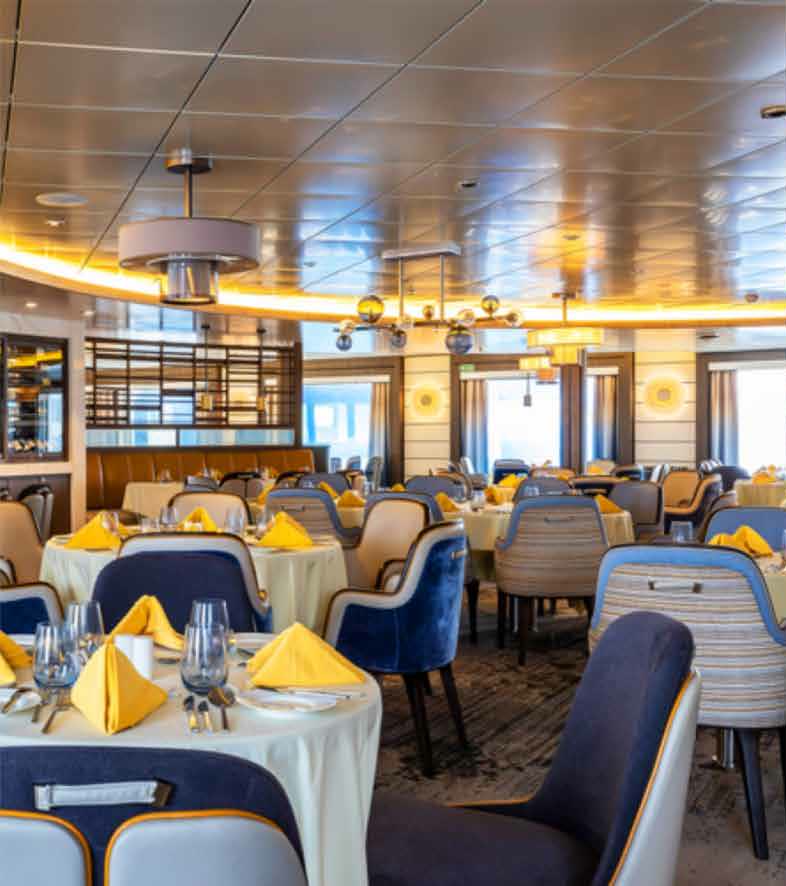
The dining room
Open seating, one room, and the expedition team eat with you rather than at a separate table. Drinks with dinner are included, the snacks run all day, and on a Drake crossing that second point matters more than it sounds.
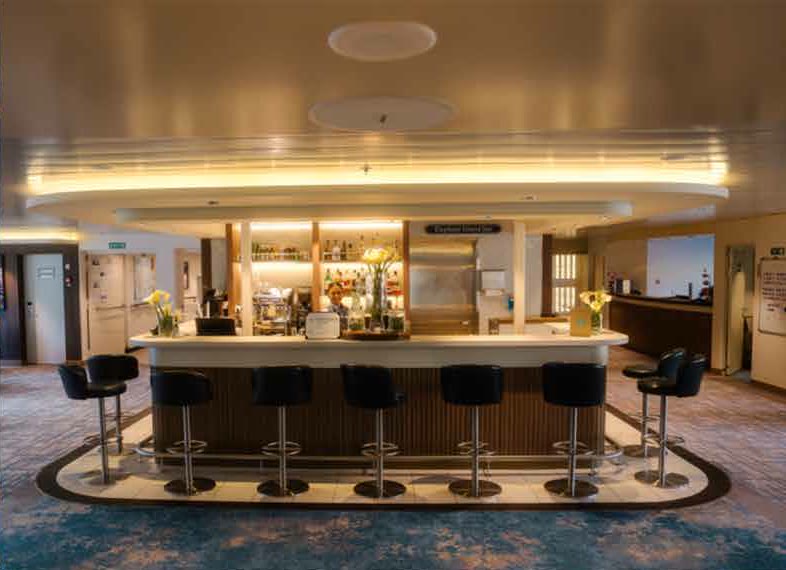
The bar and the atrium lounge
Between them these account for most evenings. The glass atrium lounge in the bow is where you sit through the Drake with the swell filling the windows; the bar is where the day's sightings get argued over, and where the whale count is quietly revised upwards.
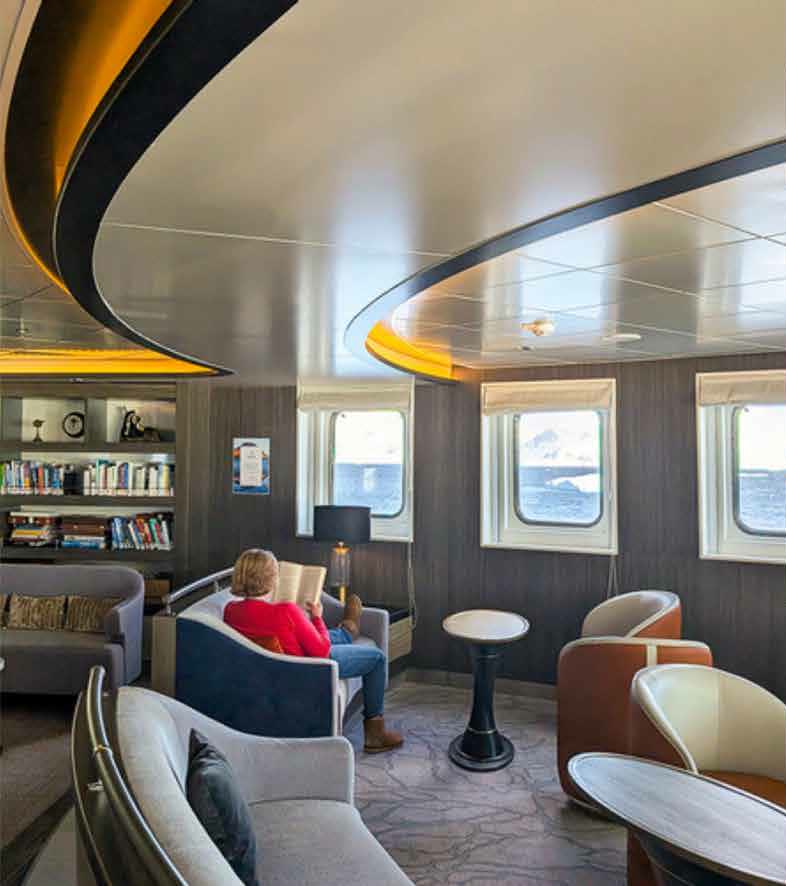
Library, observation lounge and shop
Wildlife guides and reference books, a small shop for the things you forgot to pack, and the observation lounge on the top deck with binoculars set out and coffee going twenty-four hours. The library is the quiet room; the lounge is where the sightings happen.
The Citizen Science Centre
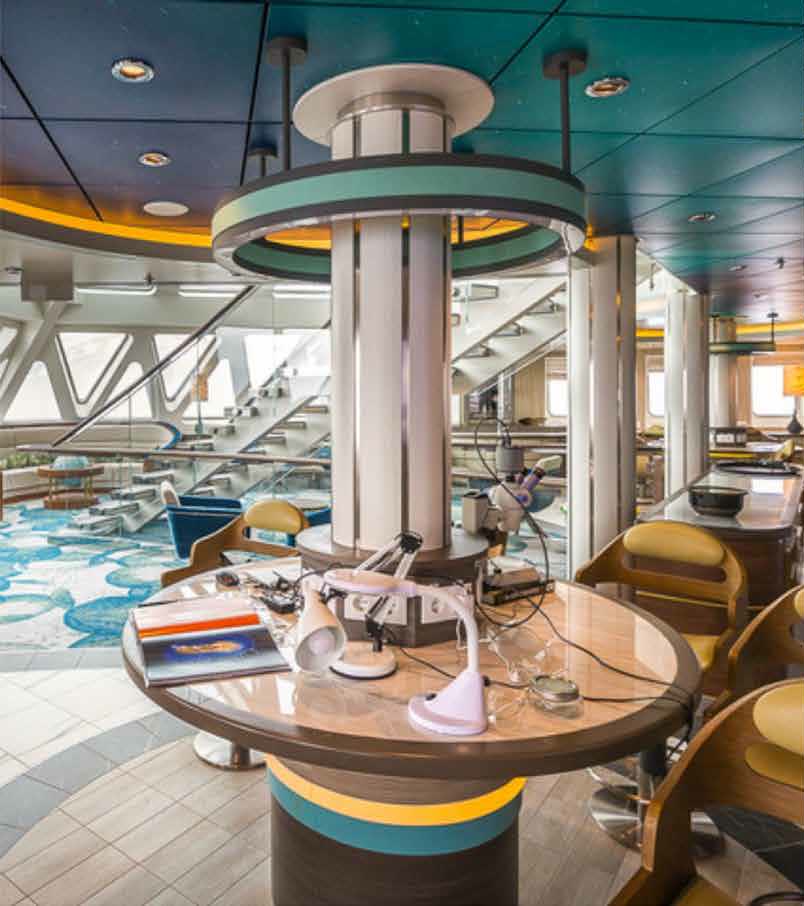
A dedicated room with microscopes on a round table, where the day's plankton samples and whale photographs are worked through with the naturalists. It is where the science programme stops being a line in a brochure and becomes something you did.
Lectures
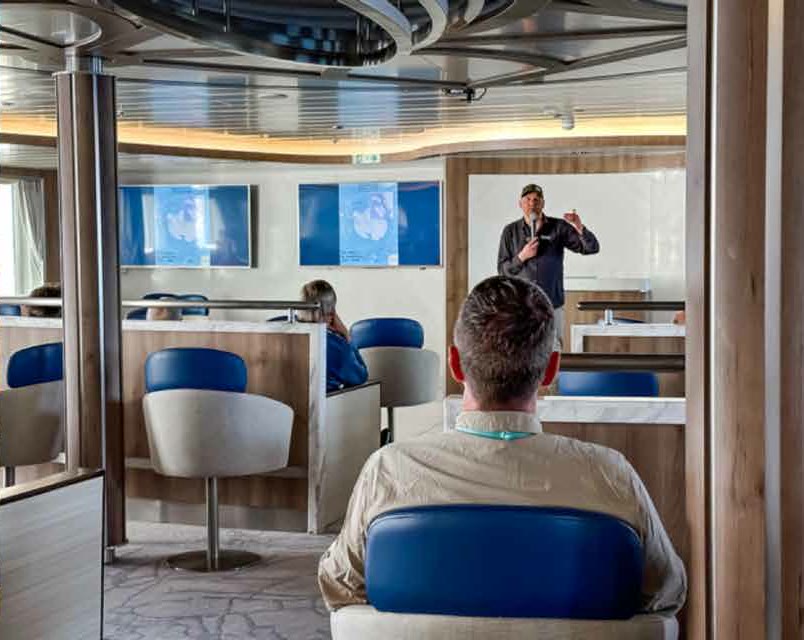
The expedition team lecture on most sea days: whale biology, ice, the history of the Peninsula, and how to read the weather before the leader announces it. Nothing is compulsory. The room is usually full anyway.
The mudroom and the Zodiacs
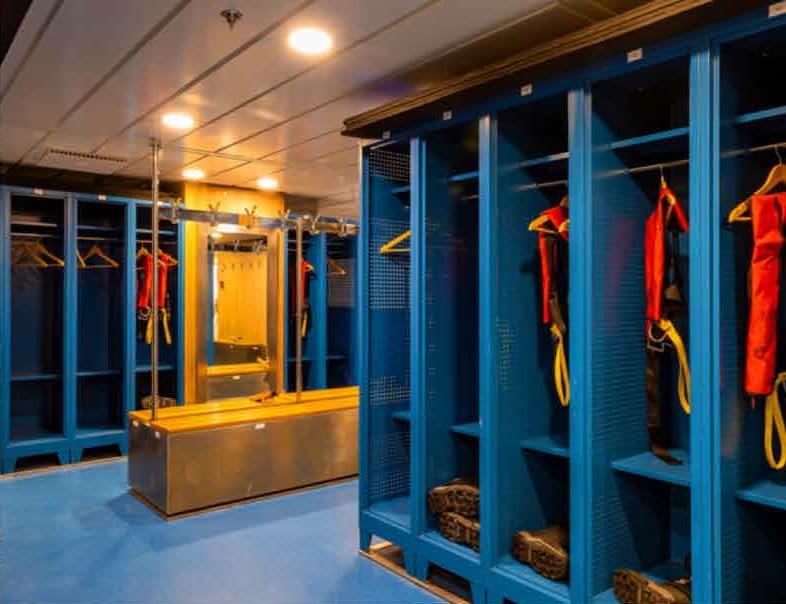
Lockers for the gear: parka, life jacket and boots live here and dry here, so the cabin stays a cabin. From the lockers you go straight to the boarding doors and into a Zodiac, which is why an outing on this ship starts in minutes rather than an hour.
The Fare
What the $15,900 actually covers.
Included
- One hotel night in Ushuaia before the expedition, with transfers to the ship.
- Ten nights aboard the Sylvia Earle in your chosen cabin category.
- All meals at sea, open seating, with tea, coffee and snacks around the clock.
- Two Zodiac outings a day on Peninsula days — cruises and shore landings.
- The full expedition team: naturalists, marine biologists, ornithologists and polar guides.
- Lectures, briefings and workshops, plus the onboard citizen science programme.
- A complimentary expedition parka to keep, and muck boots on loan.
- Port fees, taxes and permits.
Not included
- International and domestic flights — I book these, and I will tell you honestly when business class is worth it on this routing and when it is not.
- Travel insurance, which is mandatory for this voyage and must include emergency evacuation cover.
- Optional adventure activities — kayaking, snorkelling and the like, booked in advance and capacity-limited.
- Extra nights, extensions and private transfers either side of the voyage.
- Bar drinks outside meal service, and personal items.
- Gratuities for the crew and expedition team.
Fares are per person, twin share, in USD, and vary by cabin category and departure. The 12–22 March 2028 sailing is the whale-migration departure. Tell me your dates and I will confirm live availability and the current fare in writing.
Add To Your Voyage
The four things worth booking before you sail.
Sea kayaking
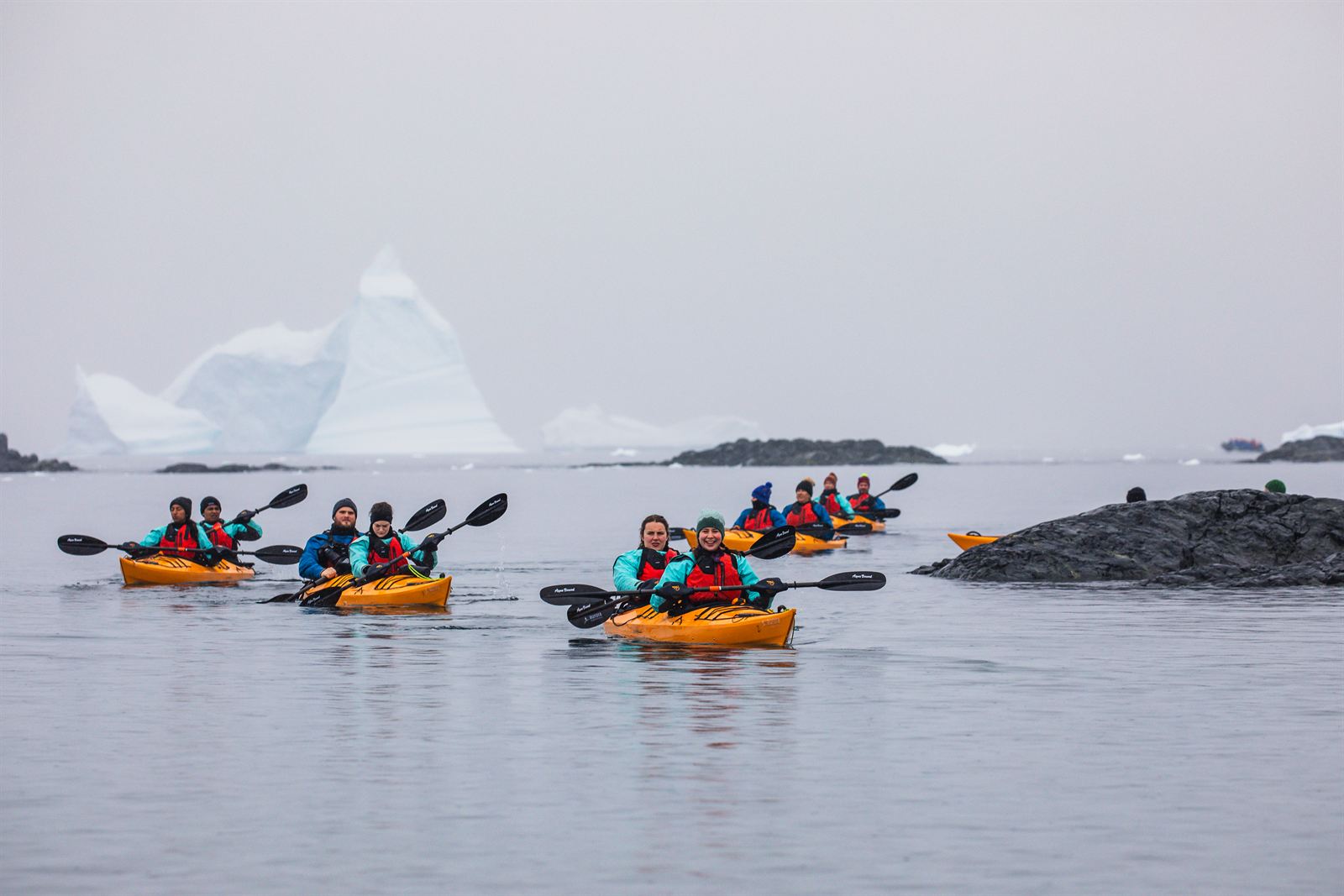
The quietest way to see the continent, and the only one where you hear the ice fizzing as it melts. Small group, previous experience required, and it sells out first.
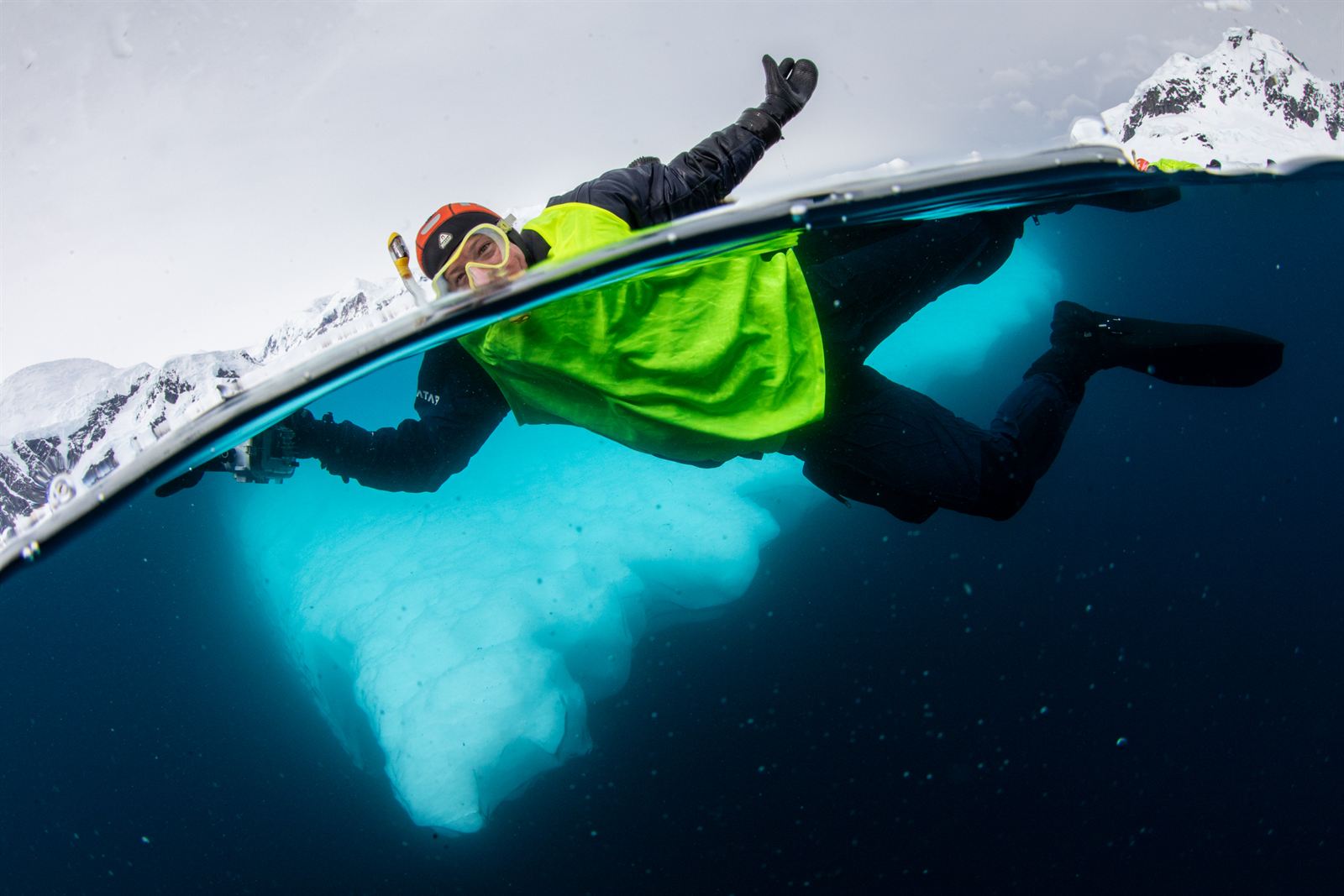
Polar snorkelling
Drysuit, hood, gloves and a guide, in the lee of an iceberg. Fewer people have done this than have stood at the South Pole. It is extraordinary.
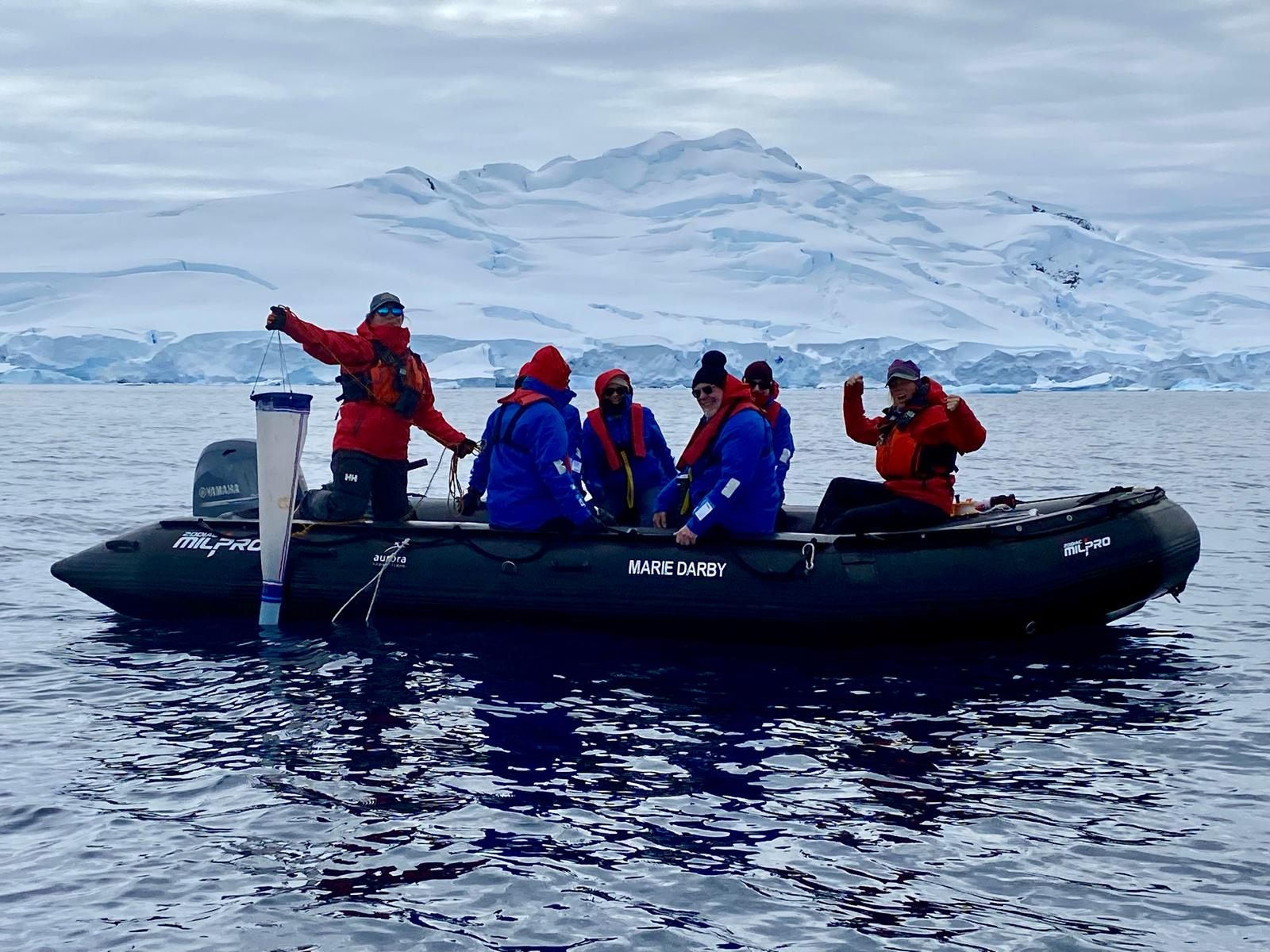
Citizen science
FjordPhyto phytoplankton sampling, cloud observation, whale-fluke identification for the global catalogue. Free, on every voyage, and the photographs you take genuinely get used.
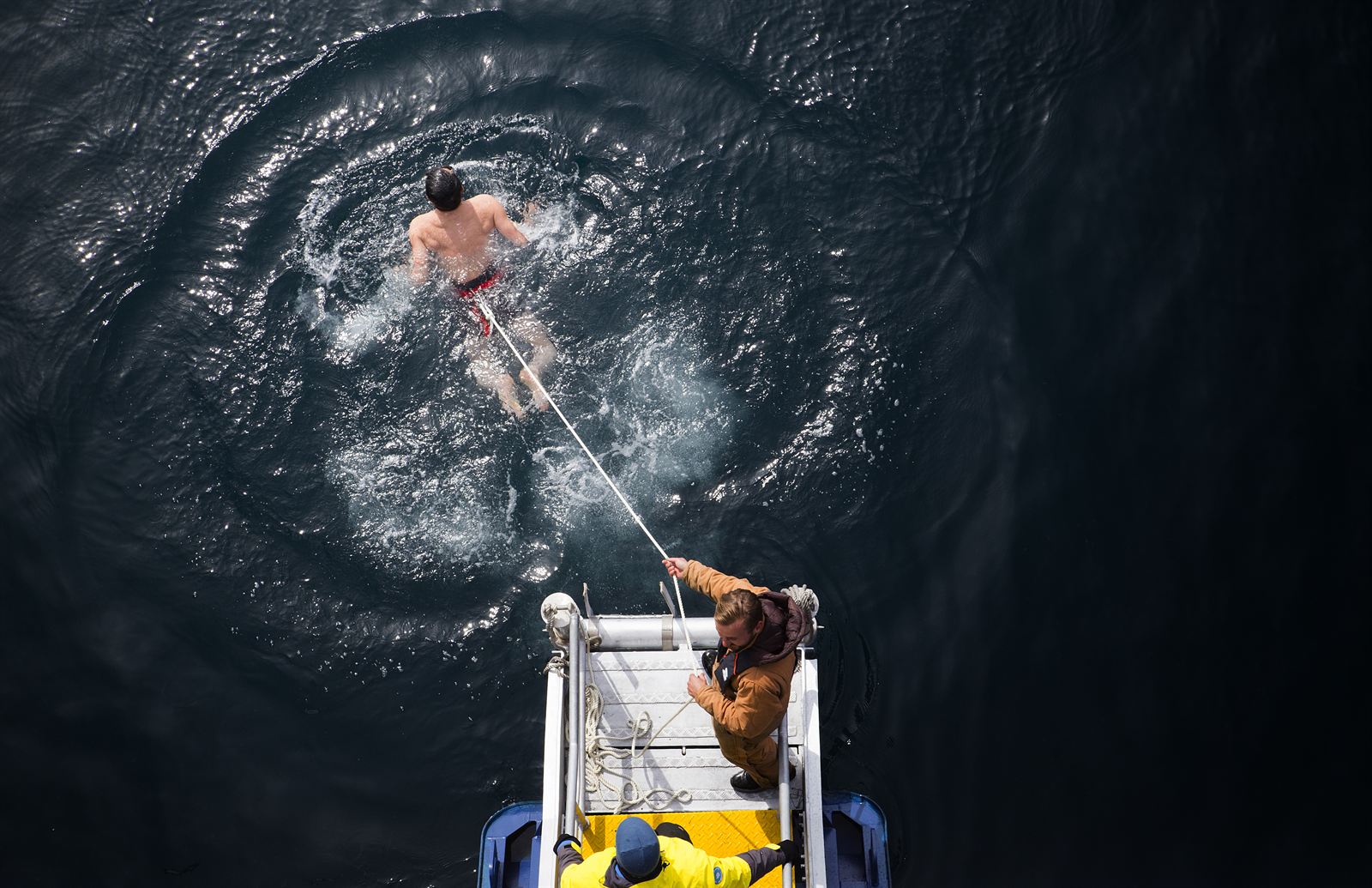
The polar plunge
Seawater at about minus one. Harness on, in, out, and a very good story. Included, and everybody who says they will not do it does it.
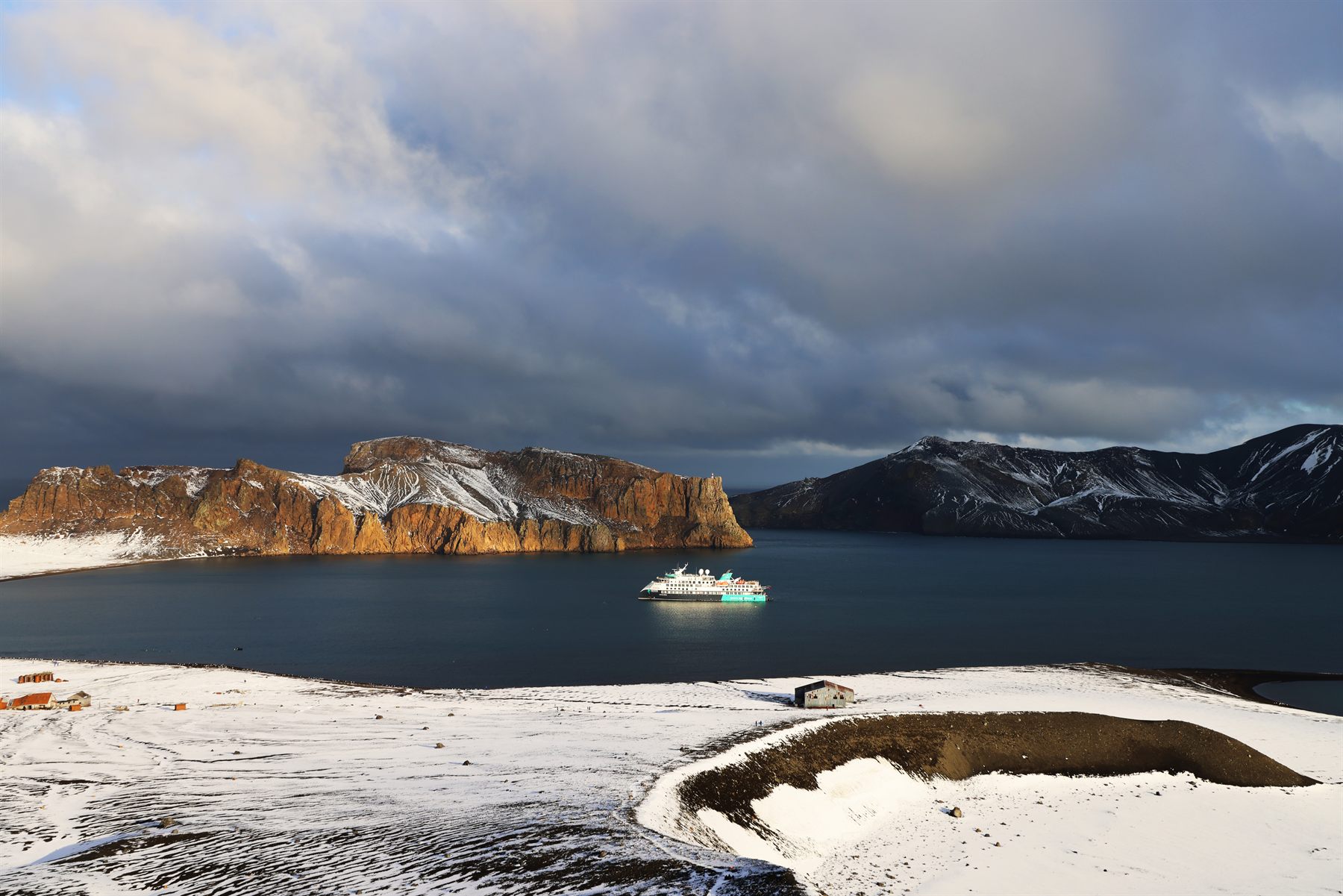
The Peninsula
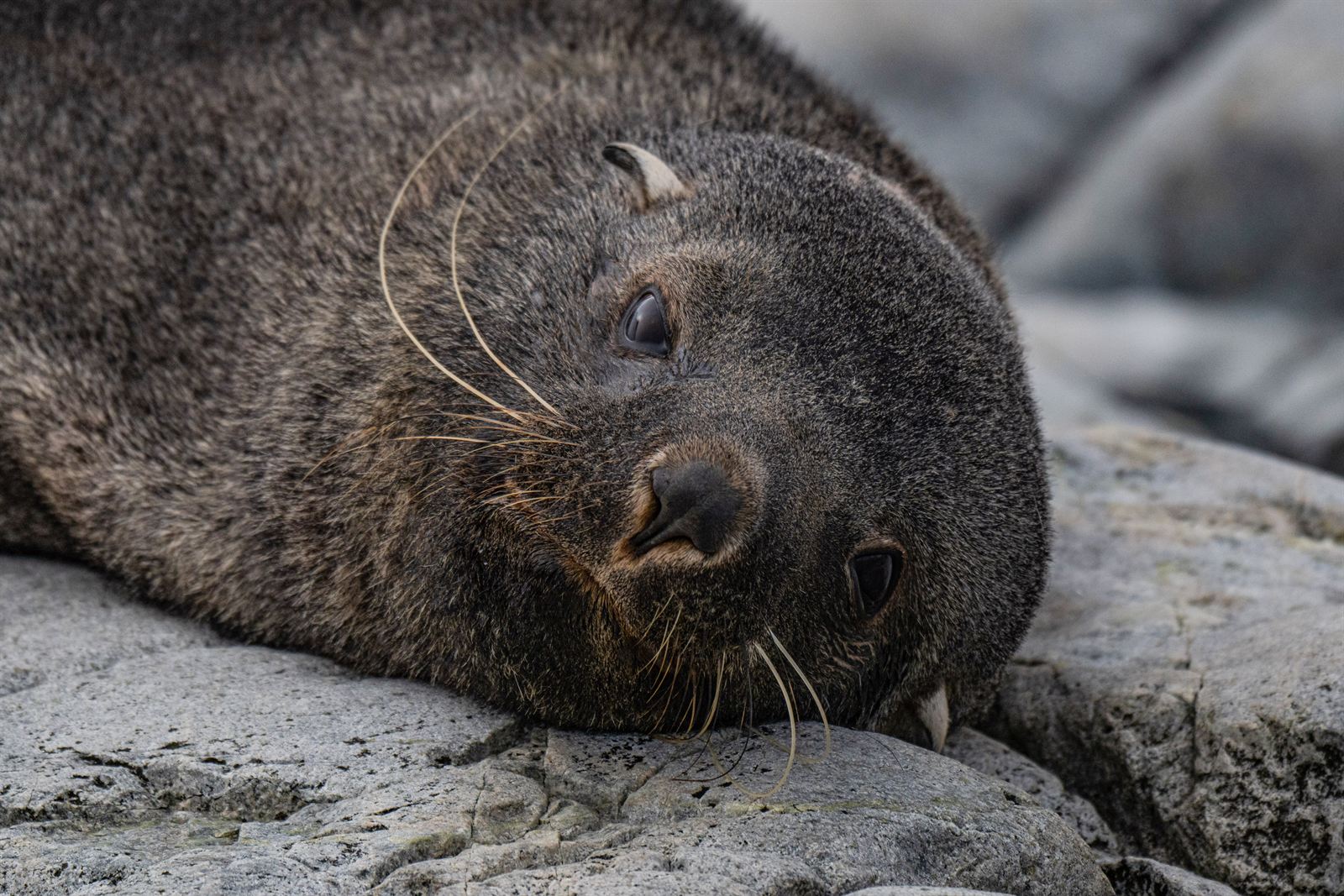
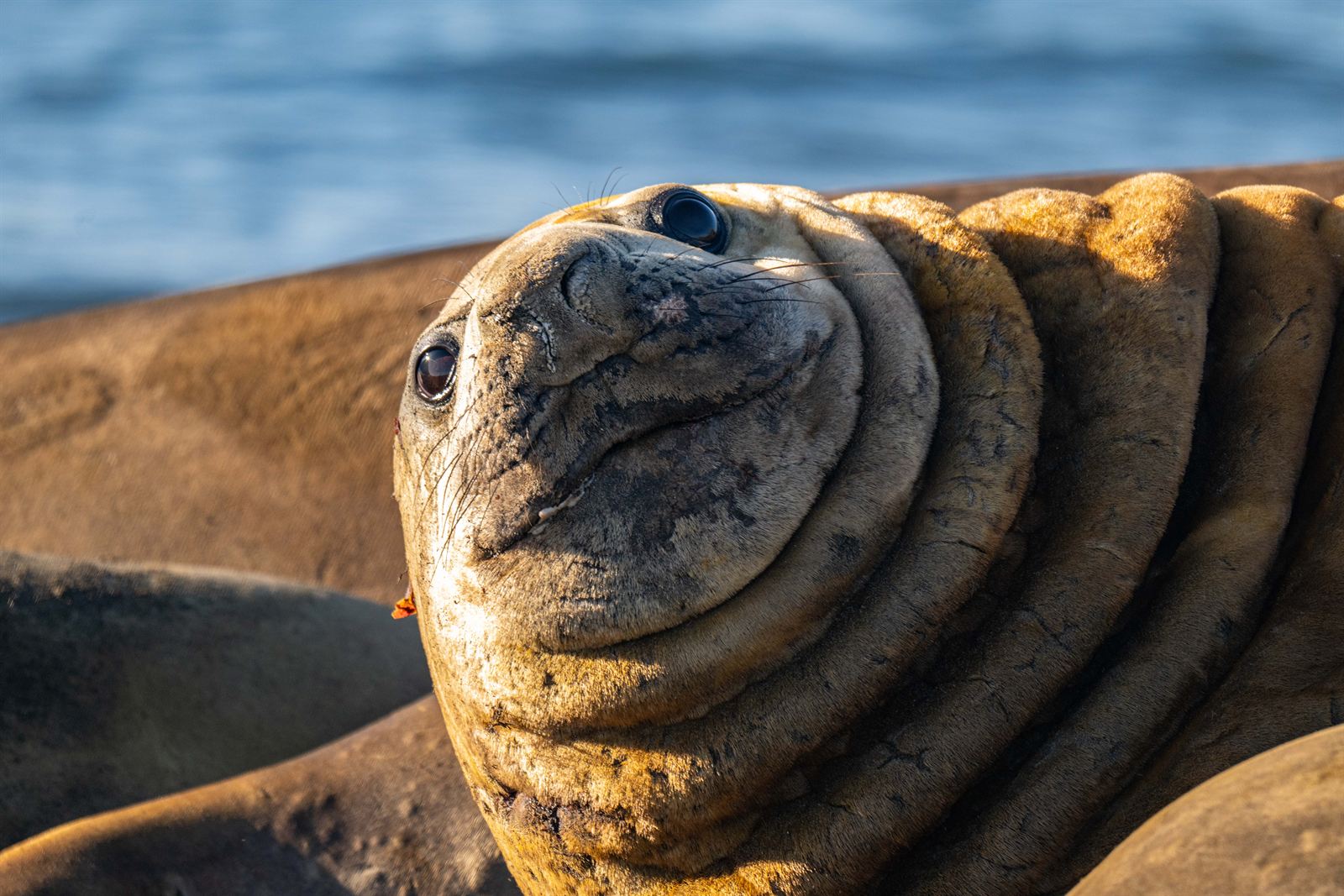
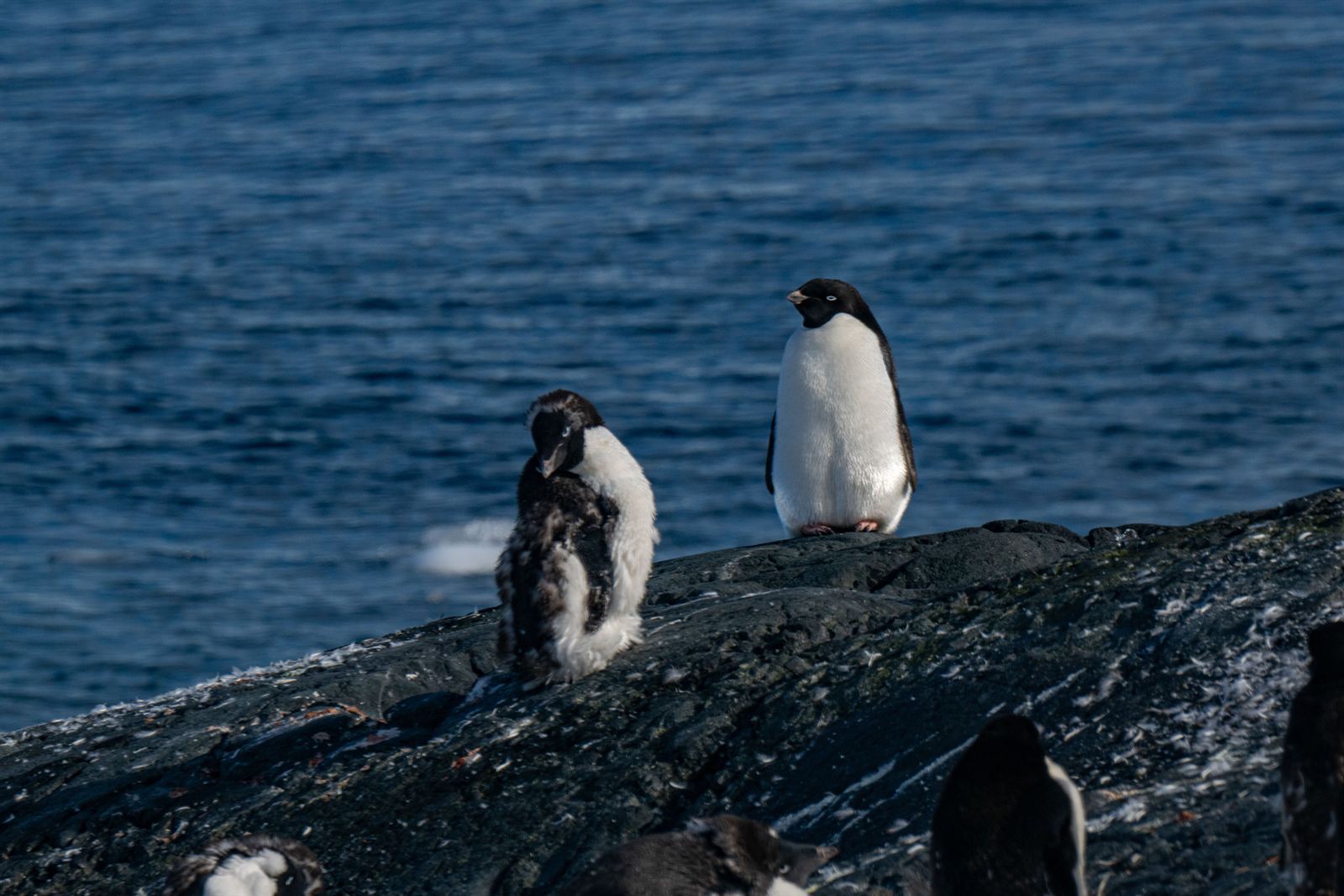
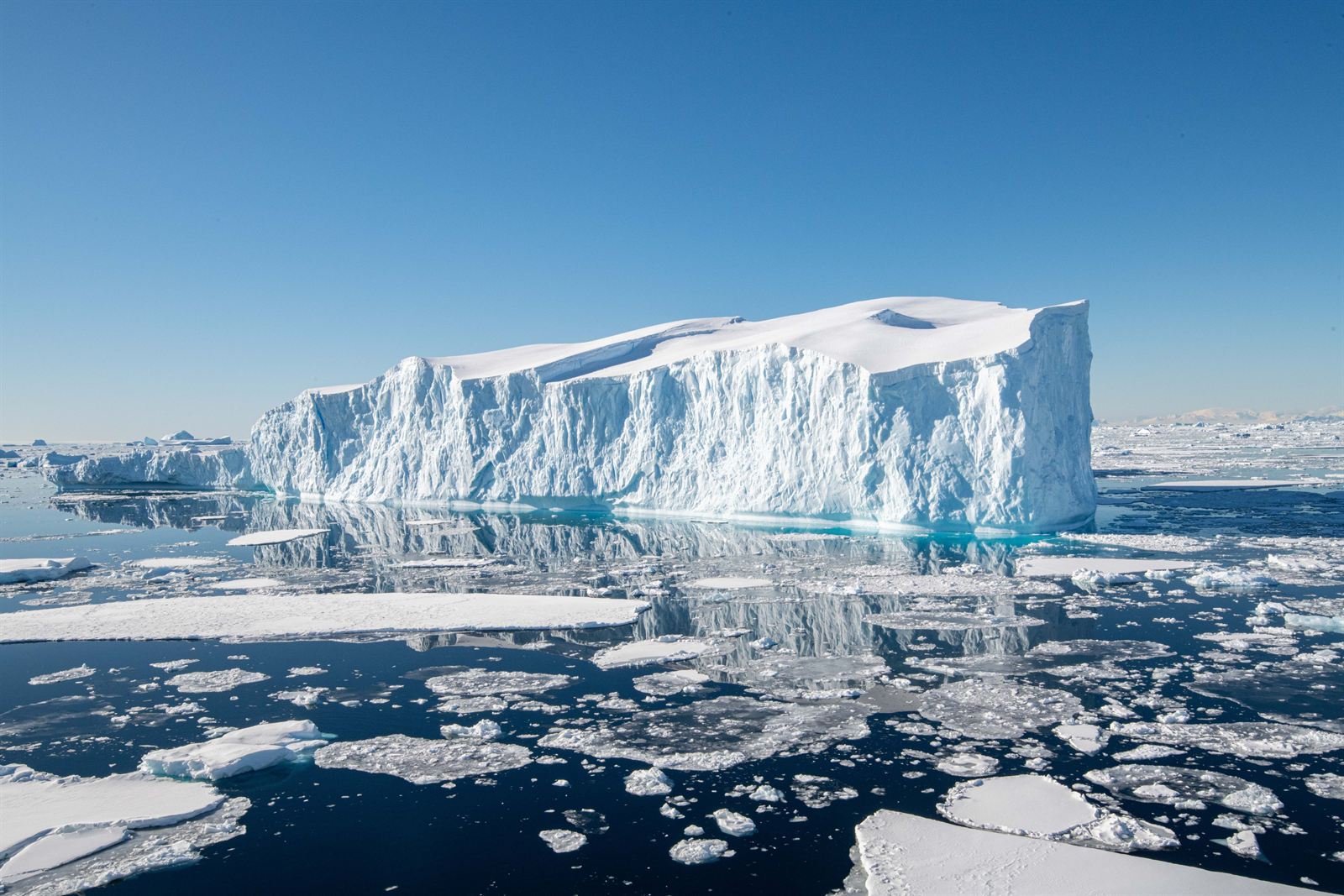
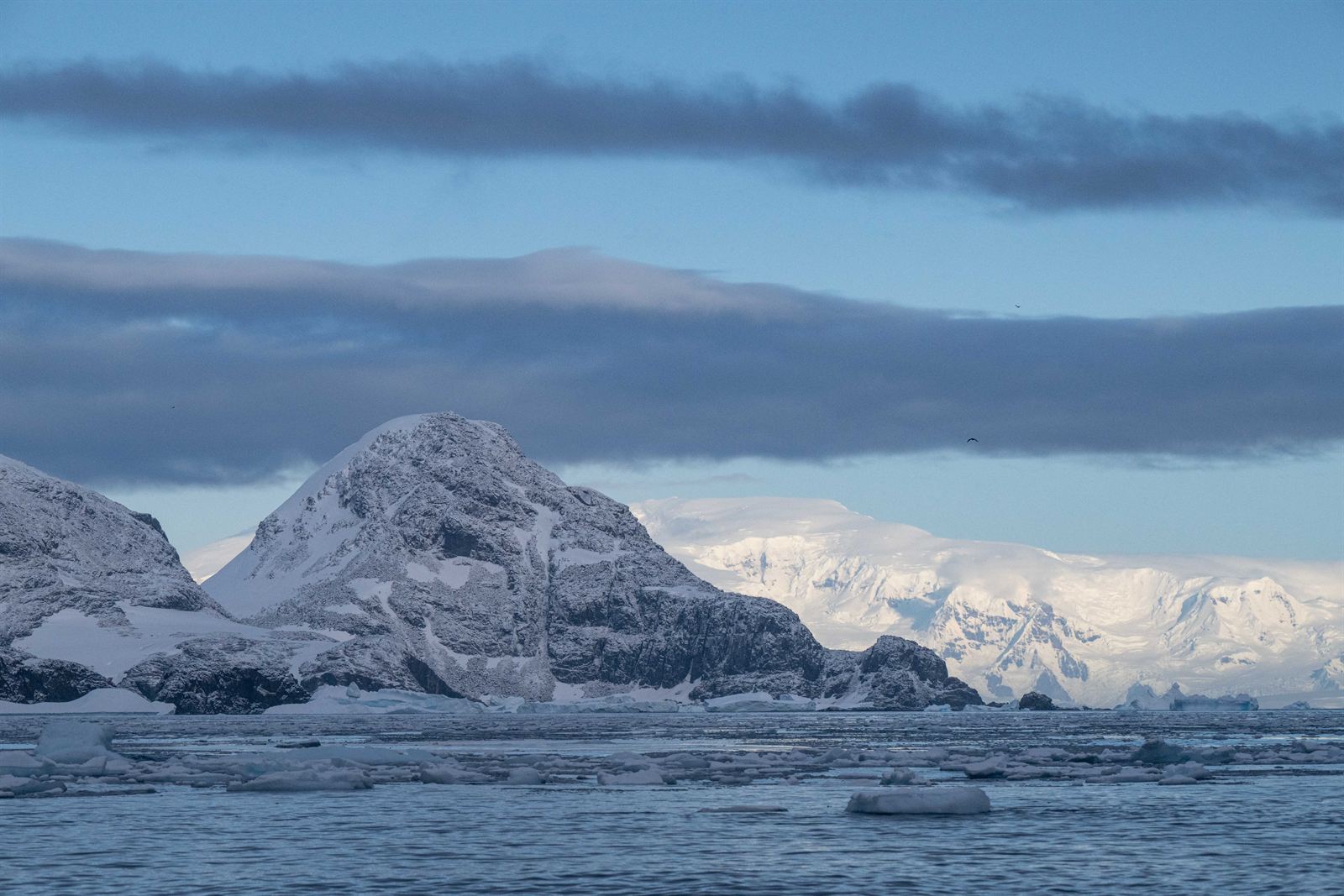
What four days on the ice actually look like.
Booking This Voyage
Same fare. Considerably more help.
Unwild Planet designs and operates this expedition, and they are very good at it. What I do is everything around it — and because I am paid by the operator rather than by you, the fare is the fare whether you book direct or through me.
Cabin strategy. On a 71-cabin ship, category matters more than it does on a large vessel, and the good ones go two years out. I will tell you which categories are genuinely worth the step up on this specific ship, which decks to avoid if you are uneasy in a swell, and when a solo balcony stateroom is better value than a shared twin.
The flights, properly. Getting to Ushuaia is a long routing with real failure points. I build in the buffer night, book the domestic leg on the carrier that actually protects you when the weather closes in, and advise honestly on which long-haul segment is worth flying flat and which is not.
Everything either side. Buenos Aires, El Calafate, Torres del Paine, or simply a hotel in Ushuaia that is better than the standard allocation. I book these through my partner programmes that typically add room credit, an upgrade at check-in subject to availability, and breakfast — at the same rate you would pay yourself.
And then I stay reachable. Before you go, while you are away, and if something goes sideways at 2am in a Santiago transit lounge.